Browse the full library (24)
What Is It Like Working in Organisations That Engage the Public on Climate Change? (New Associations, Issue 29: Climate Change Special Issue, Article 2)
Part of the British Psychoanalytic Council's climate change special issue, exploring the emotional and organisational dynamics facing people who work in organisations engaging the public on climate change.
Unequal effects of climate change and pre-existing inequalities on the mental health of global populations
ABSTRACT (Open Access, CC BY 4.0): Climate change is already having unequal effects on the mental health of individuals and communities and will increasingly compound pre-existing mental health inequalities globally. Psychiatrists have a vital part to play in improving both awareness and scientific understanding of structural mechanisms that perpetuate these inequalities, and in responding to global calls for action to promote climate justice and resilience, which are central foundations for good mental and physical health. The authors highlight the interconnectedness of inequality, climate and ecological destruction, and adverse mental health outcomes, and propose a model for mental health practice and research that promotes climate justice and resilience.
Climate Trauma: Towards a New Taxonomy of Traumatology
ABSTRACT: The disarmingly innocuous term 'climate change' expresses a psychosocial defense mechanism that prompts us to recoil when we consider the implications of climate science. When viewed honestly through the lens of traumatology, this deepening existential crisis presents an entirely new, unprecedented, and higher-order category of trauma: Climate Trauma. What is unique about this category of trauma is that it is an ever-present, ever-growing threat to the biosphere, one that calls into question our shared identity: what does it mean to be 'human' in the Anthropocene? Because it is superordinate, Climate Trauma is continually triggering all past traumas - personal, cultural, and intergenerational - and will continue to do so until such time as it is acknowledged.
My climate journey: One cognitive behavioural psychotherapist's account
From The Cognitive Behaviour Therapist (Willsher & Freeston, 2024): Climate change distress is a challenge to people seeking help, and to those providing help. Those providing help are working in a new area of clinical practice where little is known, but they may also be experiencing climate change distress. The aim of this article is to highlight the personal and professional implications of the unfolding climate crisis and how we might better understand and support those with understandable, yet intense, emotional reactions to the climate crisis. The article consists of a first-person narrative by Claire Willsher, a CBT psychotherapist with lived experience of climate anxiety, and a commentary on the narrative based on the psychology of climate change literature by Mark Freeston.
'There's no helpline'
ABSTRACT (Open access, PMC): Climate distress in young people is very likely to increase in coming years, and young people's mental health services need to be prepared to meet the demand. This paper reports a qualitative pilot study to establish the views of three stakeholder groups involved in youth mental health counselling services in England: young people, mental health counsellors, and strategic partners. They find broad agreement amongst youth mental health service users and providers that climate distress comprises a range of emotional responses to climate change, including anxiety, hopelessness, isolation, guilt and injustice, exacerbated by developmental, social and informational contexts. Service providers can support young people by surfacing, validating, and channelling these emotional responses, but they themselves need training and support to do this effectively.
Acceptance and commitment therapy as an approach for working with climate distress
ABSTRACT (open access via Cardiff ORCA repository): Climate distress describes a complex array of emotional responses to climate change, which may include anxiety, despair, anger and grief. This paper presents a conceptual analysis of how acceptance and commitment therapy (ACT) is relevant to supporting those with climate distress. ACT aims to increase psychological flexibility, consisting of an open and aware orientation to one's experiences, and an engaged approach to living, guided by personal values. By embracing climate distress as a natural human experience and promoting value-guided action, ACT offers a promising approach that brings co-benefits to individuals and wider society.
Indigenous Climate Change Studies: Indigenizing Futures, Decolonizing the Anthropocene
Whyte names and maps an emerging field he provisionally calls 'Indigenous climate change studies', encompassing the work of Indigenous and allied scholars, knowledge keepers, scientists and leaders supporting Indigenous peoples' capacities to address climate change. The essay surveys Indigenous climate resiliency plans, policy documents, declarations and academic scholarship, arguing that climate change cannot be understood as a purely 'natural' phenomenon but must be situated within processes of extraction, dispossession and settlement that Indigenous communities have long resisted and theorised. Whyte frames Indigenous futurity and decolonisation as central, rather than peripheral, to understanding and responding to the climate crisis, offering a foundational orientation for the wider field.
Toward Multispecies Mourning: Imagining an Art Therapy for Ecological Grief
Art therapy, ecological grief, mourning and climate loss; explores creative practice as a pathway for ecological grieving.
The Role of Subjective Factors in Local Authorities Action on Climate Change in South West England
From the PhD thesis abstract (Westcott, University of the West of England, 2016): This study examines the question of whether subjective attitudes to climate change play a significant part in the determination of local authorities' policy and actions on climate change mitigation; whether the personal views of council members and officers about climate change, their beliefs, fears and attitudes affect the outcomes in terms of policy and action, or whether organizational culture, norms and collectively policed limits to discourse have this effect; or whether the influence of central government policy is so overwhelming that action and policy is determined almost wholly by external and objective influences. Interviews with officers and members of local authorities in the South West of England identify that considerable reductions in council carbon emissions are possible when subjective factors align with organisational will.
Voice 7: Climate Anxiety Has Taught Me This, So Far...
A young person reflects on a counselling session where their climate anxiety was addressed in an unexpected way, prompting a rethink of assumptions about how society understands climate anxiety.
A Narrative Exploration of how Clinical Psychologists deal with the Climate and Ecological Emergency
ABSTRACT (Open access): The discipline of clinical psychology is waking up to the climate crisis. There is growing consensus that the mental and physical health impacts of climate and ecological change will be significant, and will compound existing health and social inequalities. Whilst many UK clinical psychologists recognise climate change as professionally relevant, there is no literature documenting their level of awareness about the threats of climate change to psychological wellbeing. Interviews were conducted with 13 clinical psychologists working in the NHS; narrative analysis revealed identity dilemmas and social narratives about the profession influencing whether and how clinical psychologists adopted a climate-concerned position in their professional lives.
On the nature of eco-anxiety
Drawing on habit theory, this paper investigates habitual worry about global warming as a form of 'eco-anxiety', asking whether such worrying is constructive - a motivated pro-environmental response - or unconstructive, functioning more like a symptom of pathological worry. Across three studies, the authors find that global warming worry, when controlled for other worry sources such as personal issues and the economy, is not significantly associated with pathological worry, and instead correlates with markers of constructiveness including a 'green' self-identity and other determinants of pro-environmental behaviour. The habitual quality of the worry - its enduring, repetitive, automatic nature - is argued to be what gives it power to shape behaviour, whether toward constructive engagement or, potentially, toward paralysis, offering an empirically grounded case for taking eco-anxiety seriously as a largely adaptive rather than purely pathological response.
Why Acting Environmentally-Friendly Feels Good
ABSTRACT (CC BY 4.0): Recent research suggests that engagement in environmentally-friendly behavior can feel good. Current explanations for such a link do not focus on the nature of environmentally-friendly behavior itself, but rather propose well-being is more or less a side-benefit. We propose that the moral nature of environmentally-friendly behavior itself may elicit positive emotions as well, because engaging in this behavior can signal one is an environmentally-friendly and thus a good person. Our results show that engagement in environmentally-friendly behavior can indeed affect how people see themselves, and the more environmentally-friendly and positive people saw themselves, the better they felt about acting environmentally-friendly.
Why going green feels good
This study investigates why people report that acting sustainably feels good, despite such actions often requiring more effort or inconvenience than less sustainable alternatives. Testing whether the positive emotions associated with sustainable behaviour depend on how voluntary the action feels, the authors find that people report feeling more positive about sustainable actions when they have personally chosen to engage in them, and more negative about unsustainable actions chosen freely - suggesting that a sense of personal agency, rather than the environmental outcome alone, contributes to the positive emotional experience of green behaviour.
Seeing more clearly
ABSTRACT: This study explored how a process of community transformation emerged in post-hurricane Puerto Rico. Most post-disaster research focuses on community and personal losses while little is known about strengths and positive outcomes. In the aftermath of Hurricanes Irma and Maria in 2017, vast structural injustices in Puerto Rico were made visible. In this grounded theory study, residents from different communities in Puerto Rico (N=69) shared their post-disaster experiences. Results revealed a phase-based theoretical model of post-disaster community transformation, with facilitators including a sense of community, posttraumatic growth, and critical consciousness, and barriers including leader burnout and interpersonal tensions.
Rehearsing Radical Care: Motherhood in a Climate Crisis
For a growing number of people in the UK climate change is an important consideration when deciding whether to have a child. Motherhood in a Climate Crisis is a collaborative theatre-making project, held within structures of radical care, to create a brave space where women with diverse choices and experiences relating to motherhood could share their thoughts, feelings and concerns in safety and support. Outcomes of the project are described and implications for the issue in the consulting room are developed, alongside how an ethics of care is essential to imagining and building just futures.
'Another Haiti starting from the youth'
ABSTRACT: Despite being on the front lines of climate catastrophe, the voices and actions of critically affected groups are often overlooked. The present research partnered with Haitian youth - who are marginalized from climate decision-making on the basis of nationality and age - to explore and address sustainability challenges in their coastal community. This study explored processes of individual and collective empowerment made possible through a community-based arts center course that integrated the arts and sciences to position youth as change agents for a more sustainable Haiti.
Rewilding Therapy
This chapter suggests that in order to respond to our ecological crisis and offer clients a way to do the same, therapy needs to change; but also, many features of an ecosystemic therapy are already present within the field, often unrecognised as such. It explores how the inherent wildness of psychotherapy can be brought out, and what the implications are for practice.
Living On Earth: Embodiment and Ecopsychology
Originally delivered as a talk and published in Self and Society (2007), Totton argues that psychotherapy - and body psychotherapy in particular - is already implicitly engaged in the project ecopsychology names explicitly: finding a good, embodied way for humans to live on earth. He sets out three strands of ecopsychology (the therapeutic effect of contact with the nonhuman world, practical work to shift human-nonhuman relations, and the philosophy of that relationship), then develops the idea of 'wild mind' - spontaneous, co-creative, self-balancing and inherently wise - as a counterpart to physical wild ecosystems. Drawing on Reichian body psychotherapy, Taoist philosophy, Bateson's systems thinking, and examples from indigenous land management (notably Kayapo agroforestry), Totton traces how Western culture's mind-body and culture-nature splits produce a fear of spontaneity rooted in early experiences such as toilet training, and how this fear underlies both personal alienation and ecological destruction. He proposes that therapy's task is to act as guardian and cultivator of this 'wild mind,' relaxing the defended, controlling ego enough for embodied, relational wisdom to re-emerge - in the client, and by extension in how humans relate to the nonhuman world.
Wild Therapy
Originally published in Therapy Today (March 2011) as a taster for his book Wild Therapy: Undomesticating Inner and Outer Worlds, Totton argues that ecopsychology and therapeutic practice have rarely been properly integrated, each tending to be bolted onto the other rather than fused into something new. He traces contemporary anxiety about control back to the Neolithic shift from hunter-gatherer to agricultural society, arguing that humans domesticated themselves as much as other species, producing deep-seated trauma, dissociation and denial that now obstructs collective engagement with ecological crisis. Central to the piece is his concept of Wild Mind - a state of spontaneous, self-organising awareness connected with the nonhuman world - which he proposes therapy is uniquely positioned to support and protect, alongside qualities such as interdependence, relationality, liminality and embodiment. Totton suggests that most people are already close to overwhelm, protecting a fragile bubble of personal stability against threatening information, and that therapists should name this overwhelm directly rather than compounding it, helping clients build enough safety to access embodied emotion. He extends this individual approach to collective climate distress, arguing that supportive rather than alarmist strategies, alongside reconnection with love and awe for the nonhuman world, offer therapy a meaningful role in the broader cultural shift needed to avert environmental catastrophe.
Everything and Nothing: Essays on Climate Change and Cultural Transformation
A collection of essays on climate change and cultural transformation, drawing on psychotherapy, Buddhist and other contemplative traditions, and the history of ideas. The title essay, 'Everything and Nothing: Radical Hope in a Time of Climate Change' (originally a CPA paper), considers Jonathan Lear's concept of radical hope alongside Buddhist teachings on emptiness, asking whether contemplative practice can support engagement with the climate crisis without collapsing into denial or despair.
Anxious and egocentric: How specific emotions influence perspective taking
Though not a climate-focused study, this widely-cited experimental psychology paper investigates how incidental experiences of anxiety shape perspective-taking, finding that anxious participants show greater egocentrism in mental-state reasoning than those experiencing other negative emotions such as anger or disgust, or neutral states. Anxious participants were more likely to rely on their own spatial and conceptual perspective when reasoning about others, an effect explained in part by heightened uncertainty appraisal. Retained in this library as a relevant theoretical reference point: the finding that anxiety specifically (rather than negative affect generally) narrows perspective-taking capacity has direct relevance for understanding how climate anxiety might affect empathy, intergenerational understanding, and collective action, even though the original study does not address climate change directly.
The Triple Wellbeing Book
Free-to-download book developed by Thought Box, supporting teachers to meet children and young people's emotional needs while educating them about the climate crisis.
For Teachers: An Existential Tool Kit
Podcast episode discussing the Existential Toolkit for Climate Justice Educators and the emotional, political, personal and pedagogical challenges teachers face in the context of climate change.
All upcoming events and training
Climate Café East Oxford (run by Oxfordshire Climate Cafés)
Welcome to our monthly climate cafes: a chance to share our feelings about the climate crisis and related topics, and build resilience together. In climate cafés, people don’t only talk about climate. It’s all linked: war, climate and ecological crisis, cost of living and social polarisation. 🌞 A break from climate action or worries ☕️No talks, no advice ❤️ A thinking and feeling space with trained facilitators #️⃣ Come to one café or many 😎 No need to book – just arrive at the start time (but if you’d like to let us know you’re coming, drop us an email) Everyone is welcome (16+), and there’s no charge. This climate café is hosted by Low Carbon East Oxford and run by Oxfordshire Climate Cafés.
Climate Café Listening Circle
A warm, facilitated space to share your feelings about the climate and ecological crisis, and be heard by others doing the same.
Climate Circle for Parents, Carers and Guardians
A facilitated space for parents, carers, and educators holding their own climate distress while supporting young people through theirs. Led by trained facilitators.
My practice as an Integrative Transpersonal Therapist is shaped by my experience working on social justice and climate change around the world and understanding the connection between personal wellbeing and the wider systems we are all part of. From personal experience, and from my experience working with all kinds of people personally and professionally engaged in facing the climate crisis and other crises in the world, I know how painful it is and how much courage it takes to open our hearts and minds to what is happening. The cycles of despair, fear and anger as well as the numbness, apathy and disconnection it can plunge us into can feel absolutely debilitating. At the same time, I know what can really help us live with difficult truths, nourish and resource ourselves and I'm here to support people with that.
Alongside my 1:1 work as a therapist, I provide training and support on emotional burnout, post-traumatic stress, ecological distress & grief and related issues to organisations in the not-for-profit world, helping professions, activism and beyond.
I qualified as a Psychotherapeutic Counsellor from Re-Vision in London and have worked both in private practice and for counselling services in Sussex and London. I have also trained in compassion-based therapy and social transformation with the Nalanda Institute in New York/Toronto and have spent several years educating myself and others at the intersections of social & environmental change and mental health and wellbeing. My first degree was in political science and I hold an MA in Development Studies from the Institute of Development Studies at the University of Sussex.
I live in Brighton on the South Coast and can offer face-to-face support locally, as well as online support worldwide.

I am a Consultant Psychiatrist with 30+ years of experience, semi-retired age 60, still registered with the GMC / revalidated, undergoing clinical supervision, appraisal and indemnified. My main area of practice was old age psychiatry, though I was also accredited in general adult psychiatry, did a 1 year sabbatical in forensic psychiatry and during training did a placement in adolescent psychiatry. I also have 6 grown up children, so a fair bit of life experience with young adults! From the perspective of psychotherapy; as well as my psychiatry training and experience, I have completed training in Acceptance and Commitment Therapy and have clinical supervision with an Act therapist with a long track record of involvement with climate activism. I think this approach works well with the values underpinning climate distress in all its forms. I am a member of the British Association for Behavioural and Cognitive Psychotherapies, Association for Contextual Behavioral Science (and a member of their climate justice and action special interest group). With regard to climate and ecological crisis work, in my 50s I was able to develop a long standing interest in secular Buddhism and for the last 3-4 years have been attending weekly buddhist group meetings. I take a lead in our local eco-dharma group and am a member of the national equivalent with Triratna Earth sangha. I have actively engaged in Buddhafield events, including Green Earth Awakening and Joanna Macey’s Work that Reconnects. I am shortly to attend the week-long Routes to Resilience retreat. I have participated in Extinction Rebellion actions within the XR Buddhists and Healthcare groups. I am currently on an ‘Eco-sattva’ course run by One Earth Sangha. This includes a consideration of trauma and reviewing our own eco / climate emotional responses and blocks, building on from them with resilience.
The birth of XR triggered something within me that had sat unacknowledged for years. I joined, became a local regen coordinator, completed mindfulness, WTR & Active Hope trainings and held small climate cafe events and reflective spaces for people wishing to explore difficult things. My psychosynthesis counselling and Re-Vision psychotherapy trainings provided a further psychological frame for the primal wound arising from the loss of the once natural connection between human and non-human, and the painful impact on this, not the least on soul. I have since worked 1:1 with clients who wish to explore and transform such grief, stress, fear, anxiety, or anger or whatever arises for them and is similarly heavy and dragging them down.
I've been working in the field of mental health for many years now, first as a mental health support worker and then, for the last four years, as a counsellor and psychotherapist. I've been concerned about the climate crisis from a young age, and have experience participating in various environmental activist groups, attending protests and supporting direct action.
I'm an accredited member of the BACP, and have been trained in Transactional Analysis Counselling and Integrative Psychotherapy. I have recently joined the Climate Psychology Alliance and I'm looking forward to the opportunity to expand my therapeutic work into supporting others (as well as myself) through these extremely challenging times in whatever way I can.
I'm an integrative psychotherapist in private practice. I have been seeing clients for 23 years. I'm currently a joint head of the first year of the Masters Programme at the Minster Center where I teach and offer training supervision. I am deeply engaged with the Climate and Ecological Emergency CEE. In 2022 I published some research which explored how counsellors and psychotherapists think and feel about the CEE and how, or whether, their clients bring their concerns about the CEE. I designed and currently facilitate a training weekend at the Minster Centre for trainee counsellors and psychotherapists on eco-anxiety and environmental trauma. I'm deeply invested in decolonising counselling and psychotherapy training at the Minster Centre. I believe that Western history of colonialism and neo-colonialism, and our collective and unconscious compliancy with capitalism and neoliberalism have created the CEE.
I am a qualified and experienced psychotherapist and supervisor with a practice rooted in climate-aware and race-aware perspectives. I have experience working with climate-related anxiety with clients, particularly young adults, and am able to support you with existential issues about life's meaning and our place within nature and the universe. I work with a compassionate approach, focused on building resilience for facing and talking about difficult things. I am engaged in an ongoing process of Continuing Professional Education around climate and race, and am doing a Professional Doctorate with the University of Chester researching the experiences of those holding marginalised identities in therapy.
I coordinate CPA’s Therapeutic Support network, bringing together the practitioners who offer free support to people experiencing climate and ecological distress. Much of my role is about helping practitioners feel connected and supported as they accompany others through something that touches all of our lives. I’ve been a psychotherapist for more than 20 years. I’m also the founder of HSPconnect, a community created to help highly sensitive people find one another, build friendships and feel less alone. My work is shaped by Transactional Analysis, climate psychology, Joanna Macy’s Work That Reconnects, rewilding, end-of-life work, and my ongoing learning around decolonisation and co-liberation. I’m interested in what helps people stay human, connected and able to act in difficult times. I believe grief, anger, love, humour and hope all need a place, alongside a more expansive sense of ourselves as participants in a complex, living system.
I am a nature connected coaching psychologist and a meditation and mindfulness practitioner. I invite to movement and connection with nature, as paths to mental health, wellbeing, sense making and connection; most of my sessions take place outdoors.
I also draw on existential wisdom and a systemic understanding of the world, to support people with climate anxiety and distress and to nurture sense making, aliveness and creativity.
I have been a Climate activist myself in a very small way, taking action in October 2021 and, after a Crown Court trial, being found guilty of Public Nuisance. My daughter and many of our friends have been in prison for much braver work than mine.
The work I have done with clients anxious about the climate is different from other work. The fear is real and appropriate and can’t be fixed by therapy. But my hope is that together we can find a way of living with this knowledge and flourishing anyway. I would like, respectfully, to offer what support I can to the brave people who have taken action and may be struggling with the emotional fallout.
I have been a member of CPA since 2016/2017, participated in two trainings "Through the Door", attended an AGM and other gatherings. Recently I have attended the symposium, organised by Judith Anderson and attend CPA peer supervision for facilitators of Climate Cafes. In Southampton I am facilitating regular Climate Cafes and am active in climate crisis activities in Southampton and South Hampshire. I am actively working with the Greening Campaign Hampshire with the remit to setting up Climate Cafes and recruiting and possibly training facilitators and co-facilitators. I have been actively campaigning against Southampton Airport Expansion and am a known advocate for the climate and environmental emergency in connection with psycho-physical health in the area. Generally, I do my private studies of the topic.
I have offered three free sessions through the TS to four climate activists in the past.
I have been a climate activist (before the term existed) since the 1980s.
Qualified in 2014 as a Psychotherapeutic Counsellor and worked since then in private practice. In 2019 completed a training as a Somatic Experiencing Practitioner, a body oriented approach used in working with trauma. During 2023 I will complete a training in Counselling Supervision.
I participated in Extinction Rebellion during 2019 and worked voluntarily with the CPA since that time. In 2016 I founded the Psychedelic Society of Brighton and have worked to raise awareness and in harm reduction around the use of these substances. My approach to Climate Psychology work is about honouring the work that activists and others are engaged in, while exploring how an individual may be suffering due to their involvement.
I also bring to this my own experience of having struggled psychologically in the past around my own climate activism. I am Treasurer of a co-housing group working to build an affordable eco-village.
I am an experienced psychodynamic psychotherapist in private practice and a longstanding member of the Climate Psychology Alliance.
My deep concern for the effects of human activity on our planet extends back many years to a time when I felt alone with my feelings and actions; now I gain solace from my involvement with various groups of like-minded people.
In addition to being a Climate Aware Therapeutic Support Practitioner with the CPA, I am a trained Climate Café facilitator and will soon have completed a separate Climate Aware Practitioner training delivered by Psychology for a Safe Climate.
In my private psychotherapy practice, I am increasingly exposed to clients’ anxiety about the the climate and ecological crisis, and I feel well placed to be able to help with the distressing and complex feelings that come up.
Through the free therapeutic support offered by the CPA, I am happy to be able to give my time and experience to support people whose responses to the climate, ecological and biodiversity crises might feel especially acute or overwhelming.
I've worked as a campaigner across human rights and environmental issues - so I know what it's like to be fighting for social and environmental injustice. I'm a certified coach who works with activists and I'm trained in Transactional Analysis which looks at us in relation to others, society and the eco system.
I have been a person-centred counsellor since 2001and continue to work in the NHS and private practice in Scotland. I've also worked in a university counselling programme in Edinburgh since and supervised other counsellors since 2010.
Before that I trained as an ecologist and have become increasingly concerned about both the evidence of climate change and the lack of awareness and response from our institutions and culture. I joined the XR protests and then realised my most useful offer to the movement would be to support other activists, so I also joined the CPA, where I've offered therapeutic support sessions and facilitate climate cafés. Through doing this I've realised there are both blindspots in my awareness and in the conventions of therapy so I undertook and completed Climate Aware Practitioner training via Psychology for a Safe Climate in Spring 2023.
My normal work frame is brief and so particularly suited to the kind of work we do in therapeutic support, and as an activist with my own experiences of burnout and re-engagement I have been able to work succinctly with others in the movement.
I have been interested and engaged in climate change and environmental issues since I was a kid. I am French, living in Sweden. Before becoming a therapist, I worked in NGOs, fairtrade, and in the social and solidarity economy sector where sustainability is a core value. Nowadays I am politically engaged in the little town I live in.
I am very interested in looking at how inner change and outer/societal change are connected. I am a gestalt therapist and a counsellor. I also work with nonviolent communication and Mindfulness.
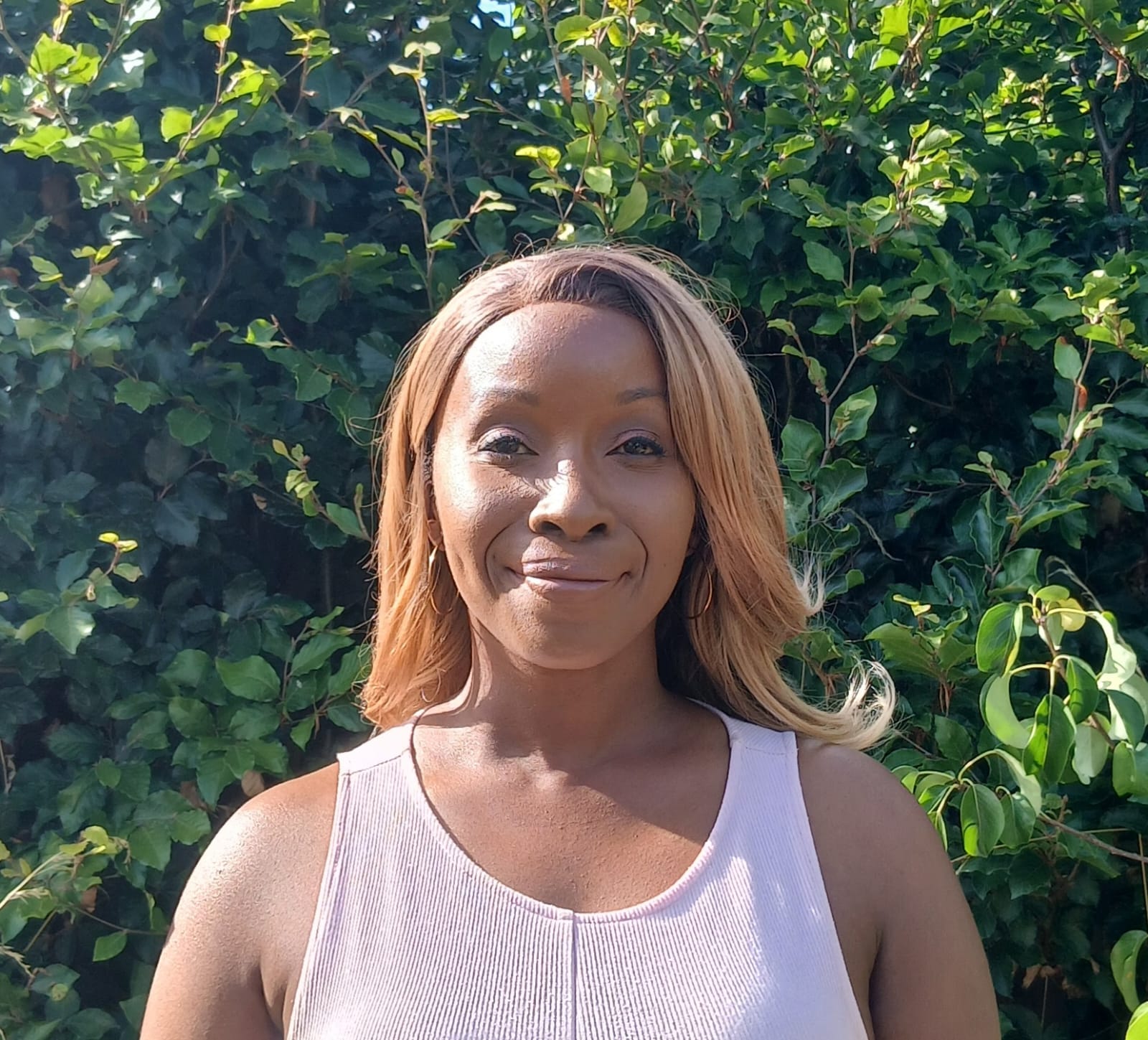
I’m a qualified, trauma informed, Psychotherapeutic Counsellor and an accredited registrant member of the National Counselling and Psychotherapy Society (NCPS).
I am from Kenya, a member of the BIPoC and BAME communities and a part of the African diaspora community here in the UK. My therapeutic support serves as a welcoming space to people from all walks of life! I support individuals experiencing a wide range of emotional and psychological concerns including anxiety, stress, depression, grief, bereavement, trauma and abuse. My work also supports those experiencing eco-related distress or feelings of overwhelm due to the climate and ecological crisis. I aim to help those who have been directly or indirectly affected by the crisis or are committed to climate activism including people from minority and under-represented backgrounds.
I also offer counselling support to people from the BAME, BIPOC and LGBTQIA+ communities and work with a psychologically informed understanding of intersectionality and the challenges that come from oppression and generational trauma. I aim to provide a safe, non-judgemental space to explore your thoughts and allow you to reach a place of self-understanding and healing, to break generational cycles and build resilience.
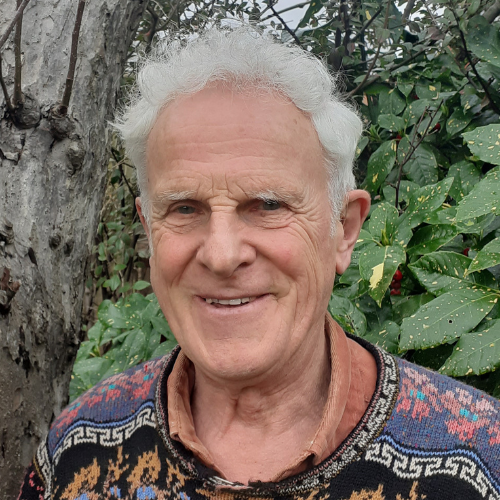
I have been providing pro bono sessions since 2019 for people suffering from climate/eco distress and for XR and JSO activists and other climate campaigners. My training as a body psychotherapist means I am on home ground with the expression of emotions. I am available to work face to face, on Zoom or by telephone or any mix of these. An initial short telephone call will be necessary before arranging sessions. Kindly e-mail me with your telephone number.
Through CPA I have trained to run Climate Cafes and run several monthly in person on the South Coast for the general public, and also occasionally for an NGO, Bioregional. Within my local XR Regen group I have co-facilitated regular Active Listening Circles. I have also trained to facilitate and delivered both The Work that Reconnects and Carbon Conversations. Details of these and other CEE workshops I can offer to organisations face to face are available on request.
I was a partner practitioner for 37 years at The Open Centre in London, providing individual therapy, theme workshops and ongoing groups. I am now semi-retired and committed to providing psychological support for dealing with the Climate and Ecological Emergency.
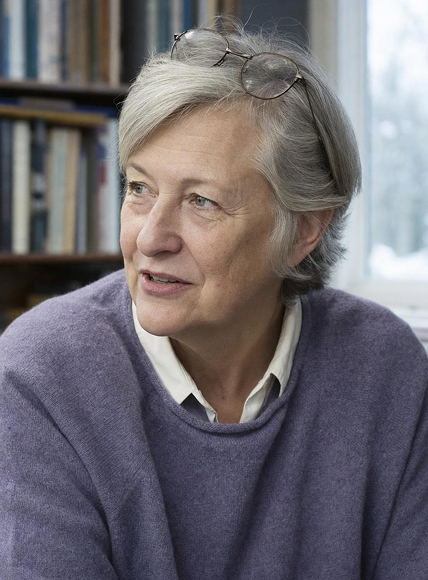
Tutor, mentor, guide, and ecotherapist, currently researching archaeotherapy for her PhD.
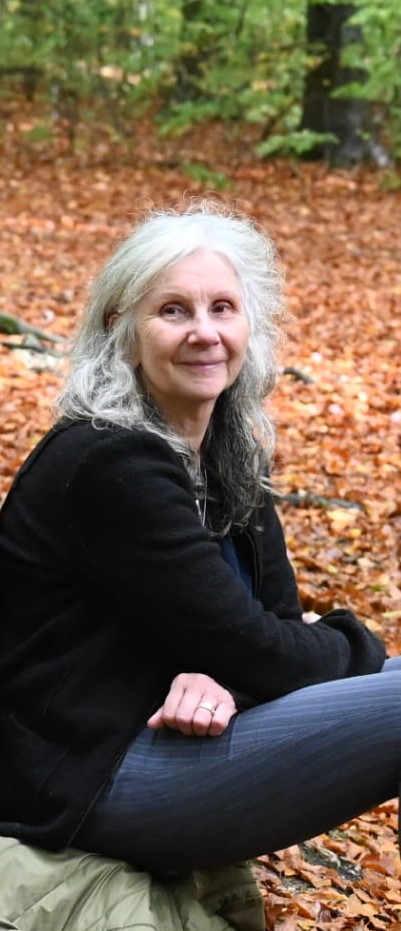
I am a Gestalt psychotherapist and mindfulness teacher with over 20 years experience of working with individuals and groups. I have a studio in woodland where I work in addition to speaking on the phone or online . I deeply value spending time in natural spaces and feel that our disconnection as part of nature has contributed to the climate and ecological crisis. I run mindfulness sessions in nature and have trained to hold climate cafes. I am a member of Extinction Rebellion and volunteer several hours weekly to support local and UK wide activities particularly around people and planet care. I feel I am ongoingly finding a way to be with, and respond to; the climate crisis, in my own life and would welcome the opportunity to support others .
I am interested in decolonizing therapy, our minds and our bodies as a radical form of activism. I am a reflective person who is not often seen on boards. I believe in the richness of our diversity both human and other than human in creating rich eco-systems. I want to cultivate generative spaces which allow for difference and support communicating and finding ways to relate and imagine different futures. I am part of the youth support team and decolonizing group and, I am about to complete the training in climate café facilitation. Outside of CPA, I am a child and adolescent psychotherapist, I also am involves in community actions. I wanted to get more involved in CPA, so I took the leap.
Hello! Please check the link below to see if I have availability and for further information. https://link.ukcptherapist.uk/CPA-Availability
I draw on emotion-based therapy as well as a range of other psychotherapeutic styles including Relational Transactional Analysis. Emotion-based therapy helps us uncover meaning and purpose in ways that logical thinking sometimes fails to achieve. In these periods of uncertainty, emotion can help guide us, allowing us to make sense of our experience and how we relate to others.
Additional to the support I provide through the CPA, I provide Therapeutic Climate Groups and coordinate emotional support for those involved in raising awareness relating to the Climate Crisis.
I am a Full Clinical Psychotherapist Member of UKCP and hold an MSc in TA Psychotherapy and L3 AEDP.
I am an experienced integrative counsellor/psychotherapist in private practice in North London. My longstanding concern about the precarious state of the ecology on our Earth and the part humanity plays in it has led me to focus on questions of life's meaning, purpose and belonging. I am fascinated by the process of healing – both individual and collective – which I see in terms of reconnecting. I am continuously exploring this subject through the medium of therapy, parenthood, mindful movement, art and other ways.
I am an experienced psychotherapeutic counsellor and family mediator, working in a variety of settings over 25 years. I was on this register since it started and had several activist clients, but removed myself for six months in 2023 as I took time out to travel and reassess my life's purpose and meaning in later life.
I became seriously concerned about climate chaos in 2009 and attended several workshops with Sue Weaver. My husband and I put on a joint travelling exhibition of writing and art work reflecting our concerns. I am a member of Friends of the Earth and Extinction Rebellion and have attended many demonstrations over the years. However, I do not want to go to prison but honour those people, particularly young people who put their futures on the line for the rest of us and our grandchildren. I feel the best role I can offer is in supporting them.
I have participated in CPA climate aware practitioner course PD1, 2 & 3 with PSC, the through the door workshop and climate cafe facilitation training. I also cohost climate cafes. I work online, in person indoor and outdoor and take a relational and ecological approach to counselling.
Jennifer Ramsay is a Gestalt Ecotherapist and professional storyteller.
Jennifer has her own private practice in Spain where she lives. She is also a creative group facilitator and offers unique workshops, weaving storytelling with her training in Art Therapy, Psychodrama and Ecotherapy.
Jennifer is also a facilitator of Active Hope and the Work that Reconnects. She holds regular Climate cafes and also Death cafes.
Her approach is client centered, nature based (when possible), creative and holistic. The rhythms of nature are very present as she incorporates the Celtic wheel of the year and the lunar cycles into her work.
She has a degree in Biological Sciences and she is part of the global network of Earth Storytellers and an active contributor to The Earth Stories Collection. She believes that the ancestral wisdom held within many ancient stories can help us face some of our current social and environmental issues.
I'm a person-centred, psychodynamic and neurodiversity-affirming art therapist in private practice. I qualified in 2021 and worked for three years as Art Therapist and Wellbeing Lead a community garden, so nature-based practice has always been central to my work. I now work both outside and inside and bring nature into my work whenever possible. Issues around climate anxiety and global matters come up with my clients regularly although my work is generally not solely focused on this. I work mostly with neurodivergent clients and am neurodivergent myself; anxiety and rumination often surfaces in my work and some of this relates to climate, nature and global issues. The art in art therapy can be a good way of regulating and exploring this in depth.
I am interested in research and evaluation. I co-authored a practice paper 'Safety in a person-centred, garden-based art therapy group for people with dementia' published in 2025 in the International Journal of Art Therapy: https://www.tandfonline.com/doi/full/10.1080/17454832.2024.2412548
I co-run a British Association of Art Therapists (BAAT) special interest group - Nature-based practice and climate change. We facilitate regular online meetings which are often peer led reflective spaces in which we explore our feelings around climate change. I also work part-time as a lecturer on MA Art Psychotherapy at University of South Wales and have offered seminars on nature-connection and using nature-connection for self-care.
I'm a qualified and experienced psychotherapist, supervisor and group worker with particular interest in trauma and grief, including feelings related to climate and environmental issues in the wider world. I am currently undertaking a Permaculture Design Course and am exploring life at the intersection of depth psychotherapy, permaculture and eco-spirituality. I read avidly on these subjects and bring my own concerns around climate, social justice, oppression and environmental degradation to personal therapy, which I continue to attend.
As psychotherapist, counsellor, and researcher on climate psychology, my special interests are grief, loss, and trauma. I currently see clients presenting with climate and ecological crisis -related distress and bring rich life experience and training to my practice. When I sit with a client, I see a unique individual looking back at me. I approach the unfolding therapeutic relationship and the work to be done with a 'beginners mind'; open, respectful, non-judgemental, and compassionate.
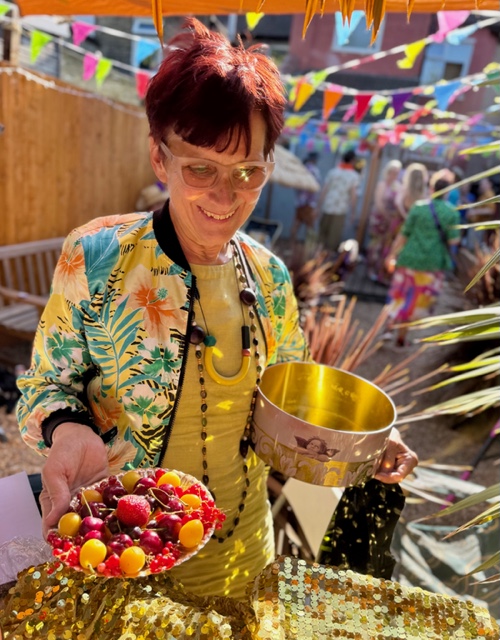
I think being a Board member has made me a better member of CPA as a whole. I got interested in the therapeutic support offered to those suffering from eco anxiety and now offer the three 'no charge' sessions available, sometimes followed by longer term low cost therapy. I am currenly involved in Meeting Nature, a group relations conference to be held in a forest in the Netherlands in September. It is sponsored and supported by CPA. I co founded a Deep Adaptation Group 3 years ago and it remains an important community for me, to help with not turning away from difficult truths.

I love being a part of CPA because of the people, our values, our work, and our supportive culture. I have a few roles which allow me to do what I love: building communities; developing relationships - internally and externally; designing and delivering talks and workshops; developing others to do this work, and doing occasional media work. This includes co-leading CCLC facilitator training and supervision, co-ordinating talks and workshops, and leading CPA’s “Collapse Conversations" group which I started in 2025. I also support clients in bringing climate psychology deep into their culture to build collective resilience. In 2025 I became Psychology Adviser to the National Emergency Briefing (NEB) leadership team, and built the CPA/NEB partnership, workshops and training materials to support the roll out of the People’s Emergency Briefings and widen CPA’s impact. Outside of work I still work! I host a monthly People Planet Pint group, facilitate for other local eco groups, write for the local newspaper, am a member of the Town Council's Climate and Ecology Working Group, and offer emotional support for activist groups and individuals. My pure relaxation time is spent going to festivals, live gigs, the theatre, enjoying all kinds of arts, and walking in the Cotswolds where I currently live.
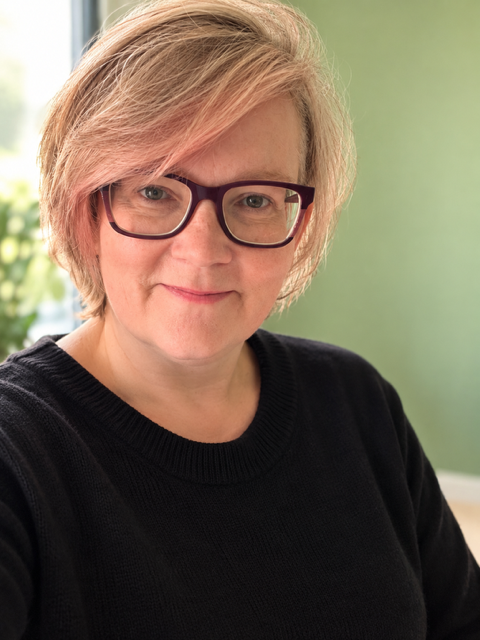
I have worked in mental health for twenty years and hold a master in counselling as well as additional training in trauma work including emdr and rewind therapy. I have always loved nature and our wildlife and been interested in these issues. However, it was becoming a parent that really kicked me into awareness of how serious this is! I have spent the last fifteen years working with grief and trauma and feel these are both so entwined when we face climate change and all that is happening in our world right now.
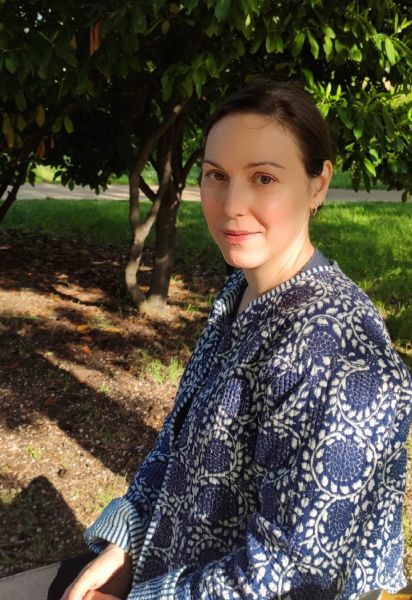
I am both a psychotherapist and researcher deeply concerned about the ecological and climate crisis who tries to bring a nuanced approach to my work, integrating clinical cognitive behavioral skills with an eco and climate conscious approach and trauma-informed lens. I view climate emotions as precious signals and messengers of our sense of care for others and the world, that nonetheless can become in some cases debilitating and needing of understanding and extra support to get "unstuck". Feeling and holding space for our grief, learning to manage our anxiety, and reaching for resiliently cautious hope are my go-tos.
I am fully trained and licensed as a clinical psychologist (PhD) in cognitive-behavioral psychotherapies, eco and climate-conscious therapy, and psychotraumatology. I also currently hold a position as an Assistant Professor at the University of Bologna (Italy) conducting research on climate anxiety, eco-concerns, environmental identity and sustainable behaviors. I have conducted workshops for university students on climate emotions and nature connection and climate psychology workshops for local institutes of continuing education for psychologists. I have also conducted climate cafès online for the local Italian population.
I am bilingual/bicultural, American and Italian, with an international background (third culture kid) with a personal understanding of the cultural aspects that shape our views and behaviors.
Through working on my own wounds I’ve come to passionately believe in the value of the therapeutic relationship as well as the healing power of nature. We are complex and diverse beings. Integrative means that I work organically drawing on a diversity of fields, including psychodynamic, humanistic, existential and Buddhist strands of psychoanalysis, as well as mindfulness and ecotherapy. My core training is in Other Centred Therapy (OCT) based on Buddhist psychology and Person Centred Therapy. I also have qualifications in psychodynamic counselling, bereavement counselling and ecotherapy.
With a twenty year background of higher education in the social sciences I am keenly aware of how power structures shape our lives, including our inner worlds. Beyond the social we are also part of the wider web of life. Ecotherapy expands the therapeutic space to include the wider world, in consciousness and by stepping outdoors. Walking and talking therapy brings movement and dynamism into the exploration. I work indoors and outdoors, whichever feels most comfortable to you at the time. I will listen deeply and compassionately, holding a confidential space for you to explore your feelings and thoughts on any issues you bring. I have had the privilege of working with clients who have experienced loss, anxiety, depression, substance abuse, relationship difficulties, low self-esteem, or trauma and offer short and long-term therapy. I adhere to the ethical framework of the BACP and attend regular clinical supervision, ongoing professional development as well as my own therapy to ensure a high standard of working.
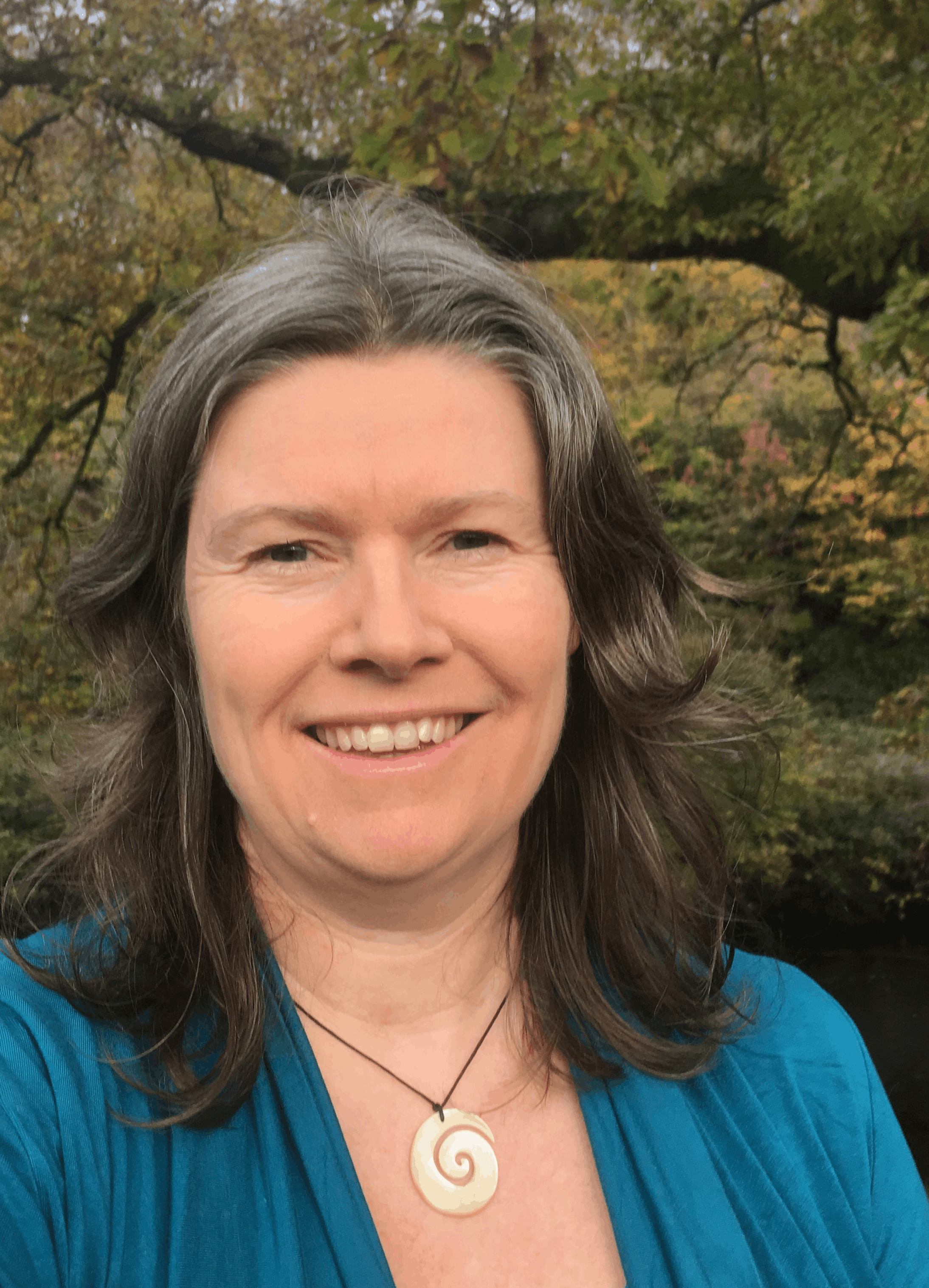
Having experienced my own distress and grief about the climate and biodiversity crisis, I care deeply about supporting others with these feelings and normalising them as a natural response to the magnitude and uncertainty of the crisis we're facing.
I'm a BACP Accredited Counsellor and have been in practice since 2008, offering integrative counselling, somatic trauma therapy , creative therapies and Eco-therapy. I've been counselling clients bringing climate related eco-distress for several years.
I've participated in an Active Hope course based on Joanna Macy's Work that Reconnects and climate cafes, and done training in working with climate / ecological distress (with Caroline Hickman). I've also been involved with XR in the past.
In addition I've attended programmes and had 1-2-1 mentoring with the Animas Valley Institute and recently trained in facilitating Wilderness Rites of Passage work, based on the approach of the School of Lost Borders. I believe in order to have any chance of creating a regenerative and sustainable future, we need to act in attunement with the Earth and listen deeply to the wisdom of the Natural world.
As well as the ecological systems we're part of, I believe it's essential to include awareness of the cultural and social contexts we live in and the impact of these on our lived experience. I'm sensitive to differences in ethnicity, culture, age, religious / spiritual beliefs, sexual orientation, ability, neuro-diversity and gender.
I'm blessed to live in rural Devon between the coast and the moor. I offer outdoor and indoor face-to-face sessions, online and phone sessions.
I was with the therapeutic support service previously and worked on Zoom with two women employed in local authority and upset/frustrated by local policies and the difficulty in being taken seriously. I also worked face to face with a student, also an activist, when I lived in London. I ran a support group for climate scientists at the Grantham Institute some years ago, having been recommnended to them for this role by CPA member Ro Randall.
I am a Clinical Psychologist in the NHS, and I offer cognitive-behavioural therapy and compassion-focussed therapy to adults with a range of difficulties, including anxiety, low mood, eating disorders, and physical health conditions. I am interested in helping those who are struggling with climate and ecological change, and conduct research in this area at Cardiff University.
I have received training from the Climate Psychology Alliance on working with climate/eco-distress, and training in eco-therapy. My personal passion for understanding and mitigating climate and ecological change also propelled me to complete a PhD in environmental psychology.
My approach to climate/eco-distress is grounded in the view that these are natural and understandable emotional responses. I believe that therapy serves as a valuable tool for developing new ways of understanding ourselves and our place in the world, and can foster a deeper understanding of our emotions as we navigate life’s complexities.
I am 63, so am a bit old to throw myself in front of a racehorse, as much as I’d like to. I have responsibilities to my psychotherapy clients and can’t risk arrest, so the better way to make my contribution is to offer therapeutic support.
As a psychotherapist, I am trained and experienced in addiction, alternative relationship dynamics (GSRD) and trauma.
As a former lawyer I will grasp legal processes facing anyone affected by bail, charge, trial, imprisonment or release, be it theirs or another's. However, to be clear, I cannot and will not give legal advice.
I have joined because I am increasingly concerned at the oppressive reactions of nation states, including the UK, to those who seek to protest about government inaction over global heating, species extinction and environmental destruction. On Coronation Day I was stopped and searched four times in four hours, just for wearing a Republic t-shirt. Even before the 2023 Public Order Act, the police misused their powers to detain people in order to inconvenience them as much as possible, without the necessary intent to charge them. During the pandemic they misjudged their responsibilities, especially at the Sarah Everard memorial. Since the Act, the right to protest has been eroded to the point of extinction and they have still more powers that will be used inappropriately. It is that Act that has provoked me to become an activist... because it’s time to stand up and be counted.
I am a counsellor and eco-therapist registered and accredited with the BACP working outside, online and on the phone.
I work collaboratively with clients and we start by agreeing on a therapeutic contract. We look at what is happening now for the client and what they are wanting to change. I work at the client's pace and offer a safe, contained and non-judgemental space. I adhere to the Ethical Framework as stated by the BACP and have regular supervision.
Over several years I have undertaken training in outdoor therapy and ecological practice. Additionally, I have attended courses on climate anxiety and eco-distress (e.g. BACP 2023) as well as 'Understanding Nature Connectedness' (University of Derby).
Away from my professional work I am actively involved in the local community including a Climate Cafe and a Space for Nature group. A recent focus has been facilitating several screenings of the Peoples Emergency Briefing with different groups throughout the area.
I’m a Thinking Environment coach for the Quiet Ones, exploring qualities of attention, embodied thinking (felt thinking and thoughtful feeling) and a slower pace when connection is needed. I offer more space, a slower pace - a sacred space for difficult emotions and I am especially passionate about supporting and offering a safe space to navigate and explore feelings of grief, overwhelm, anger, anxiety, despair and fear in response to our climate crisis and societal injustices. All feelings that need a place to belong, to be held respectfully and witnessed are graciously welcomed in this generative practice space and held with muscular hope.
I work with The Thinking Environment, this is practice that offers your thinking more grace of space to think, thinking that is embodied, present and moves at your pace. I offer the loyalty of my attention dedicated to nurturing your independent thinking, grounded in deep-care and relational-attunement, where you can feel connected, reconnect and re-balance - to find your ground and where you matter, profoundly.
As a neurodiverse SPS (Sensory Perception Sensitivity) introvert I’d especially love to work with you if you identify as an SPS / HSP (Highly Sensitive Person), as an empath, or an introvert, as neurodivergent or struggling to find a quiet place for your voice to be heard.
My coaching approach is primarily grounded in the Thinking Environment and is somatically resourced by my history as a movement practitioner, dancer and rebellious creative. My work and ethical landscape is informed by The Work That Reconnects, Theory U, ecopsychology and eco-anxiety, Buddhist psychology and a range of movement modalities that support deep enquiry and an exploration of different ways of being and the process of coming home to ourselves.
Mike Chatziapostolou | MEng CEng PGDip MBACP MIET
Mike is a BACP registered gestalt psychotherapist based in South Devon, working with clients in-person and online. Working with the climate and ecological crises is an organising principle of his professional life, and is what led him to train as a therapist.
Over the past eight years, Mike's work has been shaped by a sustained engagement with the climate and ecological emergency across multiple fields. He co-founded Spherics, a climate-tech company (later acquired as Sage Earth), where alongside his commercial role he held regular 1:1s with team members navigating the existential weight of working daily in the climate space. He developed a wellbeing framework drawing on gestalt principles and Malcolm Parlett's concept of Whole Intelligence to support the psychological health of those doing climate work from the inside.
In private practice, Mike has worked with clients presenting with climate grief, ecological anxiety and a pervasive sense of hopelessness about the future. His therapeutic approach draws heavily on experiential and somatic methods to bring movement, aliveness and new perspectives to the heaviness these experiences can carry.
His voluntary work at Penny Brohn Cancer Care, offering short-term therapeutic support to people facing serious illness, has deepened his capacity to work with existential distress in a time-limited model.
Mike has recently become CEO of Embercombe, an educational charity and rewilding site on Dartmoor whose mission centres on living in close relationship with nature and co-creating a regenerative future - an ethos that aligns closely with how he approaches this work.
Training:
• Gestalt Centre Wales - Gestalt Psychotherapy PGDip
• Karuna Institute - Core Process Foundation Training
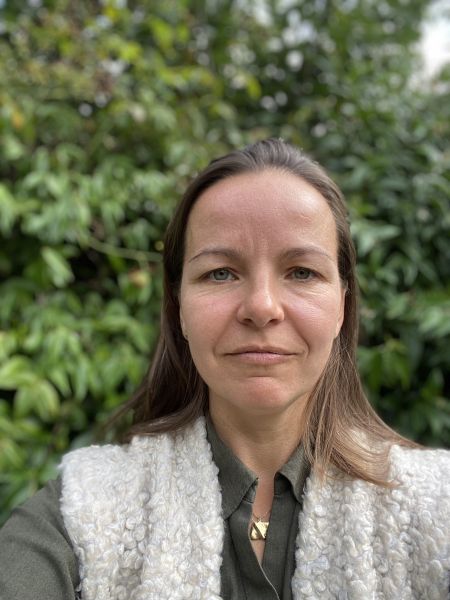
I'm an Integrative and Wild Therapist working outdoors, indoors and online in London. I offer Therapeutic Support because I feel that is what I can usefully do at this time.
Being a Wild Therapist forms the ground of my work and how I am in the world. It is an invitation to step back into the web of life, to be in relationship with the trees, birds, spiders, earth, sun, wind and all other beings. Being with the devastation and destruction of our planet is always a part of that.
I co-facilitate climate circles - group spaces to share our eco-distress - in my local community, for activists and for therapists. I have participated in courses on climate psychology and experiential workshops on how to face the mess we are in.
Have a look on my website - www.miloupothast.com - for more information.
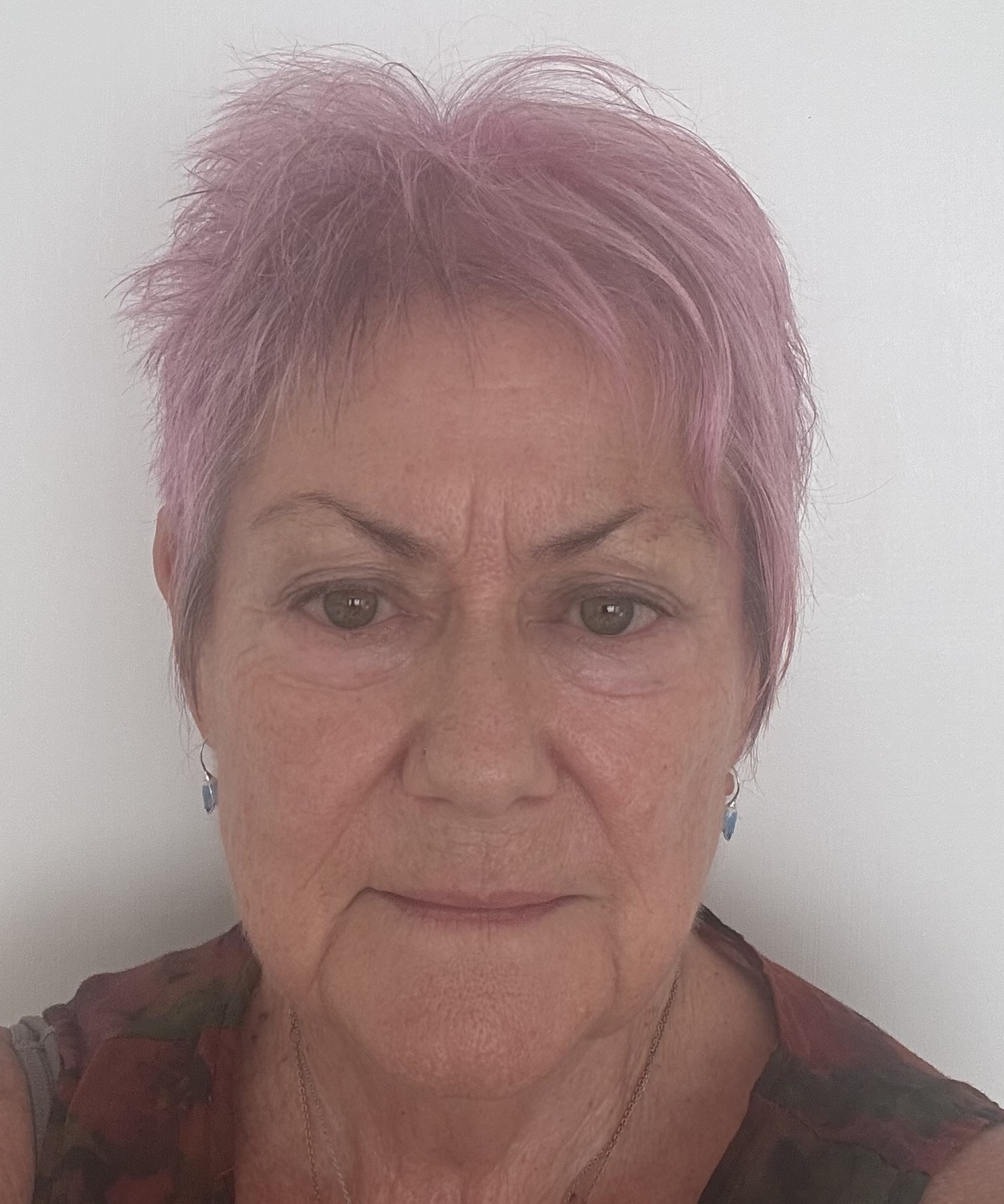
I live in rural France and steward an area of wild woodland. I have been engaged with ecopsychology for about 15 years and have taught and facilitated workshops addressing the complexities of our relationship with the other than human world and the environmental crisis. My practice is informed by, and specifically includes awareness of the collective as well as personal impacts of the world that we are living in.
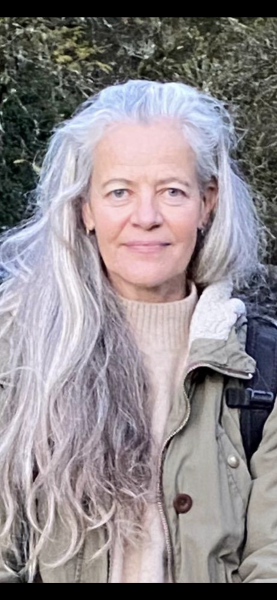
I trained at the Karuna Institute in Devon in 2006 and worked as a psychotherapist in private practise since qualifying in 2009. I joined XR in 2018 and took a break from my therapy practise in 2021 to become a full time activist. I have held small groups /meetings/discussions within XR Camden. I competed a Work that Reconnects facilitator training in Feb 2024 and held a small group for activist in March. I intend making this part of my practise going forward. My climate related work focus primarily on seeing grief / depression /despair and apathy as appropriate coping mechanisms to welcome into being so that we can understand their root is in the longing for life. I have done trainings in Wild Women work, Ritual and animism which have all helped me personally to live within the story of what it is to be here now. In addition I did a leadership training with Jen Bemdell and the Deep Adaption network. I continue to work with his research and philosophy. With all its horrors and joys I love to find ways to bring this all as a resource, where appropriate.
I would prefer to work outdoors with clients and would discuss this with them beforehand.
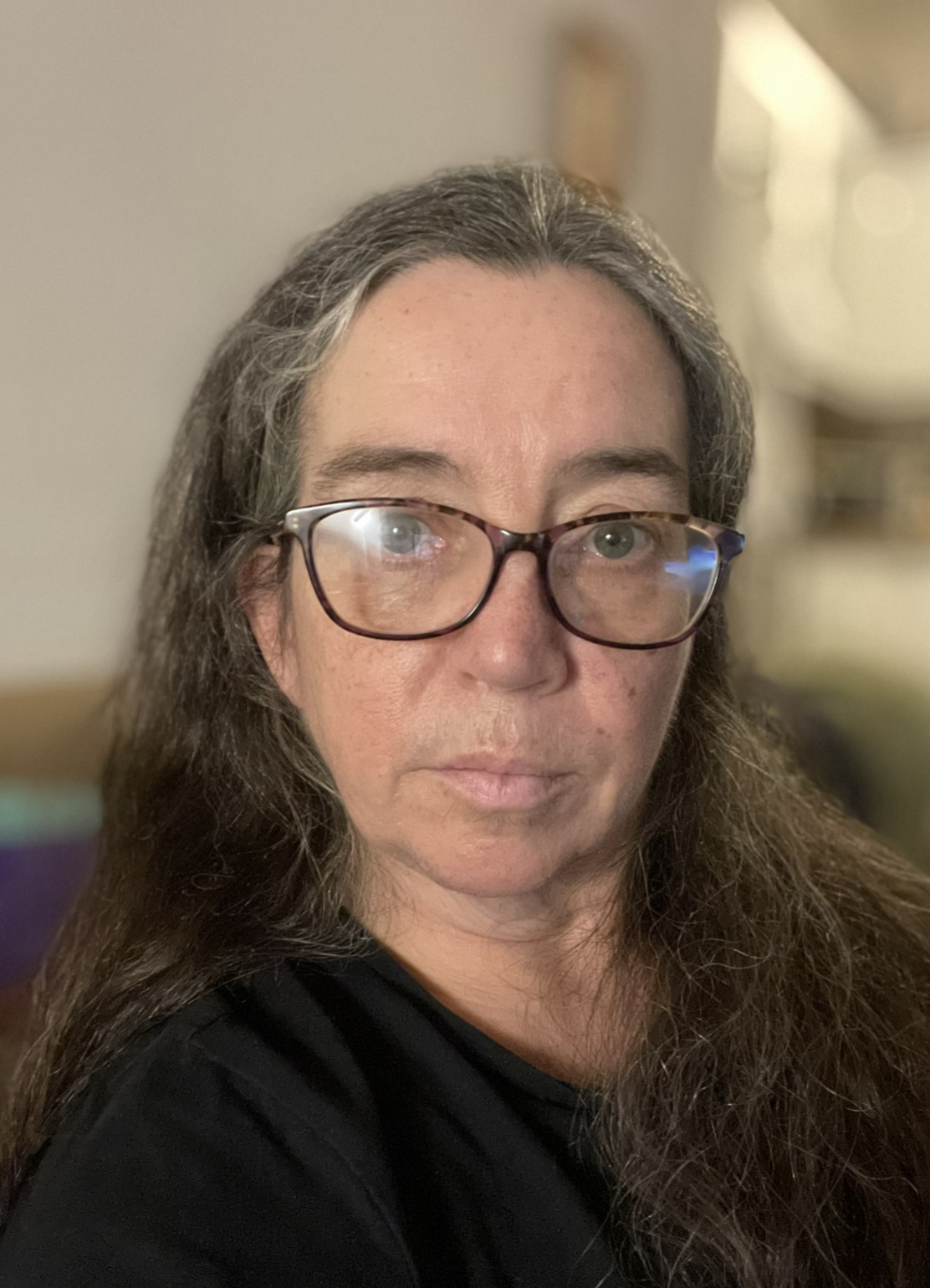
I'm a psychotherapist and Mental Health Practitioner with over 20 years experience in working with people in distress. I have a special interest in Climate related distress and have delivered therapeutic seminars on the climate crisis and the ways in which distress may present. I have done a lot of reading around the issues from a therapeutic perspective, and also attended 'thinking spaces' from a group analysis perspective on the issues involved.
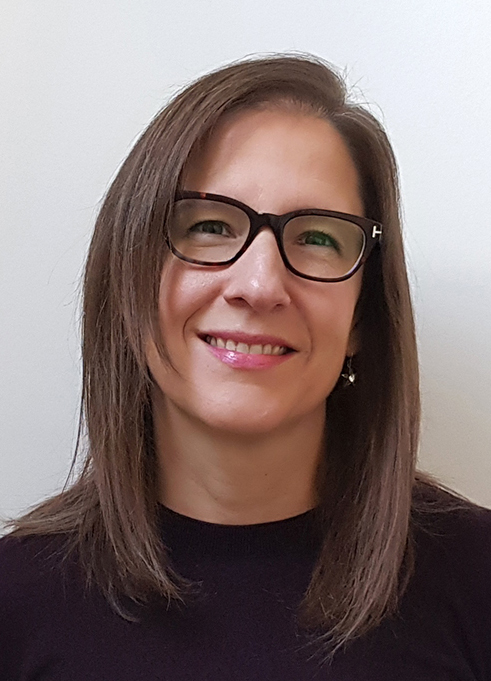
I hold a Msc degree in Gestalt psychotherapy from the Metanoia Institute in London. Further I am a fully accredited clinical member and abide by the ethical standards of the UK council of psychotherapists (UKCP).
I have several years of clinical experience as a therapist and also work as a coach, at the intersection of coaching and therapy. I work with a wide range of common psychotherapeutic issues and my practice is Trauma- and Neurodiversity informed. I can offer sessions in English and German.
My special interest is distress related to climate change and biodiversity loss. My journey to become a therapist, was rooted in climate concern and began many years ago through a profound clash of my environmental values with the common practices within my former career in fashion design. I am a CPA member and trained in running climate cafés as well as staying informed in current climate psychology thinking through regular workshops and continued professional development. I further have personal experience as a volunteer street campaigner for Greenpeace.
As a Gestalt therapist, I take a holistic view of people’s issues, and tend to look at their thoughts, feelings and sensations as a whole while also considering how these are shaped by and embedded in their life-situation, their environment and dominant culture.
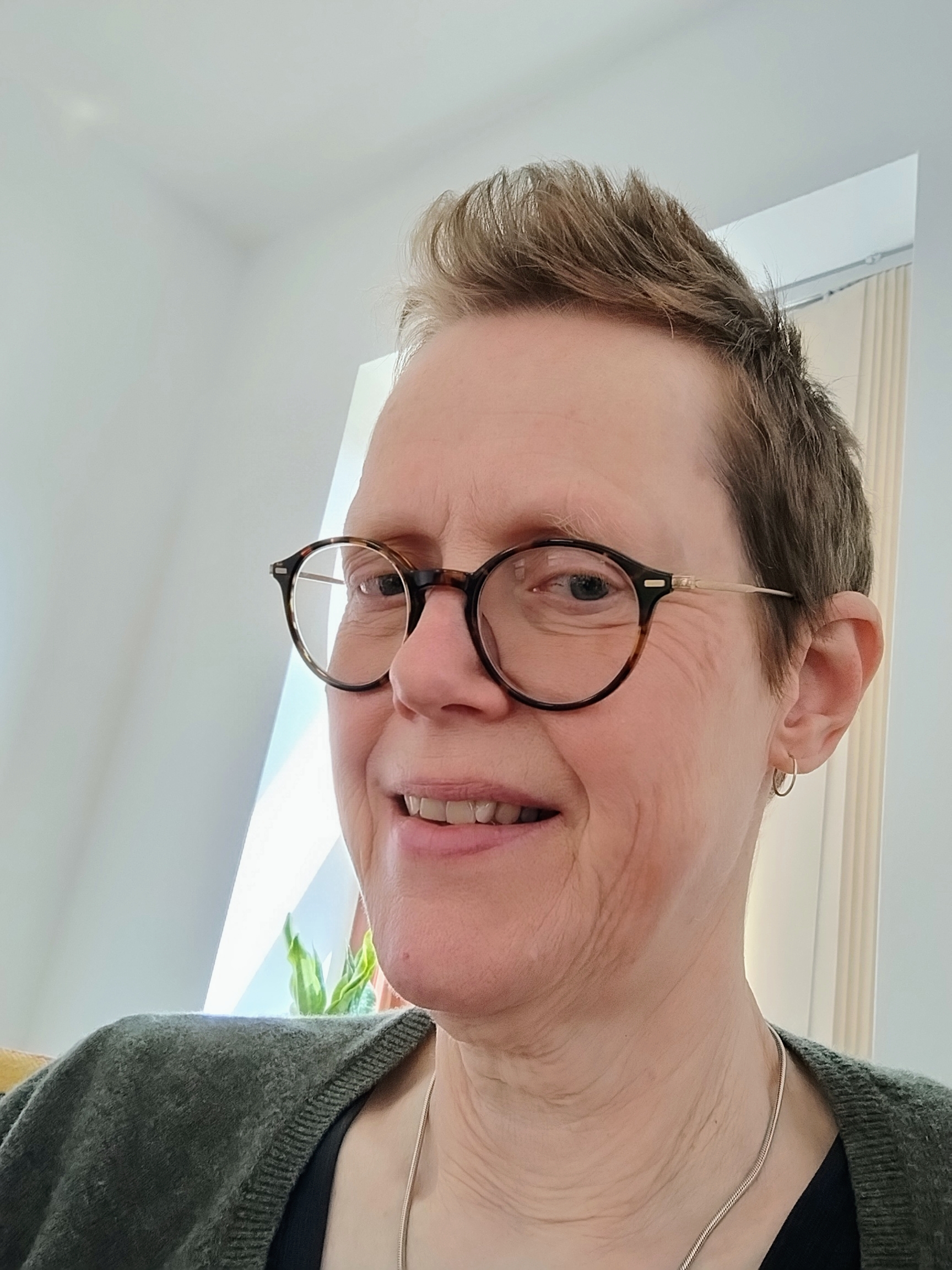
I'm an experienced psychotherapist and have been involved with CPA since joining a Through the Door workshop in 2019. I have completed the Climate Café Listening Circle Facilitation Training and hope to offer a climate café locally in the near future. I have become increasingly aware of the need to offer safe spaces in which people can express and explore their feelings and responses to the climate and ecological emergency.
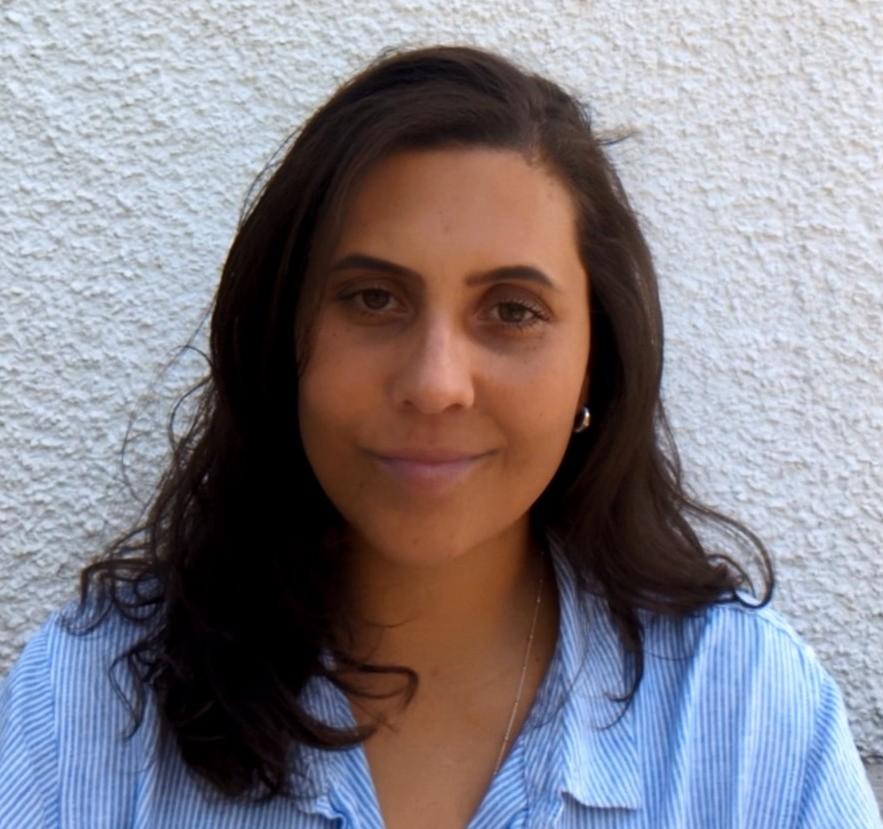
My work is grounded in a deep respect for difference, diversity, and the many intersecting identities that influence how each of us moves through the world. I believe that healing and growth does not happen in isolation, but in relationship — with ourselves, with others, with our histories, and with the wider social and ecological systems we inhabit.
A central focus of my practice is transition in all its forms: life changes, identity shifts, loss, becoming, and the in-between spaces where old structures fall away before new ones have fully taken shape. These thresholds can feel uncertain, disorienting, and at times deeply painful, but they can also hold the possibility for meaning, growth, and transformation.
I have particular interest and experience in supporting people navigating experiences such as identity change, loss, matrescence, cultural displacement, intergenerational trauma, climate anxiety, and feelings of not fully belonging. I welcome those moving through periods of rupture, uncertainty, or reorientation — especially times when familiar roles, relationships, or ways of being no longer fit.
I work from a collapse-aware, intersectional, and trauma-informed perspective, offering a space that is compassionate, reflective, and attuned to both personal and wider systemic experience.
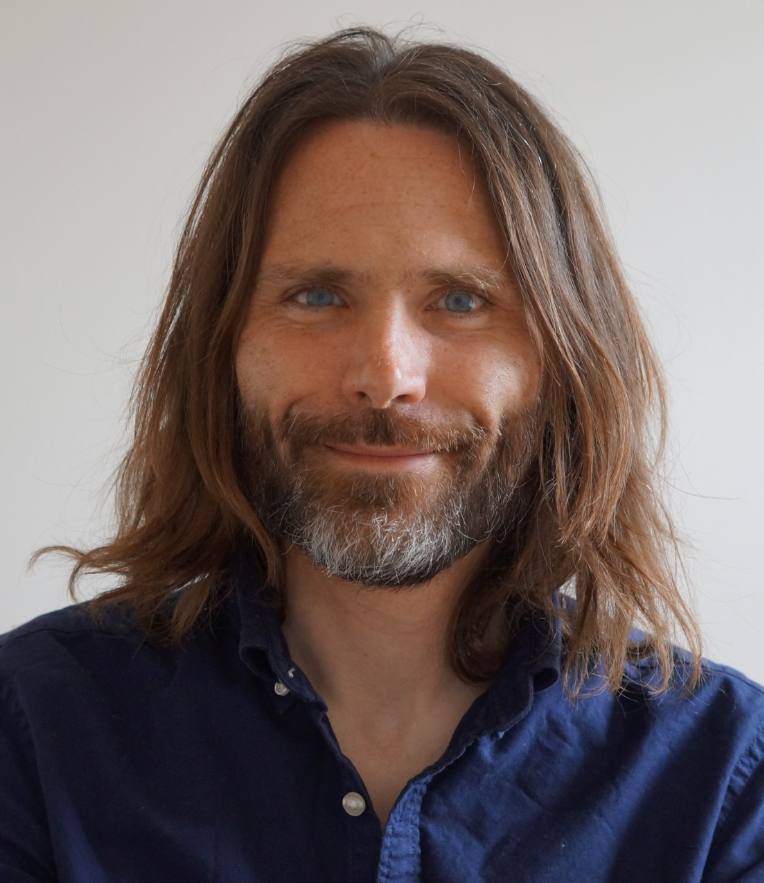
I'm a psychodynamic counsellor based in Walthamstow Village. I've been involved in climate activism, arrested, detained and convicted, so know how the system works. I stand in solidarity with all oppressed communities, especially those in peaceful resistance to the UK government.
I also understand that activism is not for everyone and am keen to support anyone struggling with overwhelming feelings of grief, anxiety, hopelessness and despair. Even without the climate crisis, life's not easy for a lot of people in this country and especially overseas. We're all just trying to do the best we can.
Sometimes, though, it's a little easier when you have someone you can talk to. Someone who's trained to listen with empathy and respect. Someone who will never judge you or dismiss you or minimise your concerns. Someone who will keep your confidence. If you'd like to talk to me, please don't be afraid to send me a message.
I am a UKCP accredited and BACP registered Psychotherapist with an MSc in Integrative Psychotherapy, offering therapy online and in person. My integrative approach means I tailor therapy to each individual, recognising that every person's experiences, strengths and needs are unique.
Alongside supporting clients with anxiety, depression, grief, low self-esteem, emotional regulation and relationship challenges, I have a growing specialist interest in the psychological impacts of climate change and our relationship with the natural world. As a PhD researcher in climate gerontology and public health, my work explores how climate change affects the health and wellbeing of older adults, helping to inform more compassionate and resilient approaches to care.
I also have a particular interest in ecotherapy and nature-based approaches to wellbeing. Where appropriate, I integrate an understanding of the restorative role of nature into my therapeutic work, supporting clients experiencing climate anxiety, ecological grief, or a desire to reconnect with the natural environment as part of their wellbeing.
Whatever brings you to therapy, I aim to provide a warm, collaborative and non-judgemental space where you can explore your experiences, build resilience and move towards meaningful and lasting change. I offer a free, no-obligation 10-minute introductory call so you can decide whether working together feels like the right fit.
I am trauma-informed, working predominantly with individuals facing challenging periods in their lives to help find balance, clarity and purpose, using an integrative approach, combining mindfulness, coaching, and therapeutic practices.
I've always worked in the non profit sector, and am particularly committed to supporting social and climate justice causes, and the incredible people driving them. I'm passionate about promoting wellbeing, and facilitating lasting positive behaviour change in my clients. I work on climate justice issues day to day as Marketing & Events Lead at JB, and am also UK Chapter Lead at Mindful Return, supporting mums to retain balance as they transition back to work after maternity leave.
I hold an Advanced Diploma in Mental Health & Wellbeing Coaching and my Advanced Counsellor & Psychotherapist Level 4, and completed the year long trauma-informed Professional Compassionate Inquiry® training. I'm trained to Climate Change Coaching Mastery level, with a PGDip in Sustainability and Adaptation Planning and an Arts Management Qualification in Social and Ecological Justice, Art & Activism. And I am in the middle of studying for my MSc in Integrative Counselling & Coaching.
If you have a challenge you’d like support with, please get in touch, I'd love to find a way to help you.
I've worked as integrative counsellor for over 25 years, mostly in Higher Education counselling staff and students. My work is BACP accredited and I now run The Garden, an outdoor therapy centre in Derbyshire where I support individuals and groups. I specialise in supporting women through life transitions and connecting with their purpose.
I've supported activists, scientists, students, academics, older women, therapists and parents to process their responses to the climate and ecological crisis. My approach is creative, practical, playful and soulful. I'm also trained in the Sesame approach to drama and movement therapy and experienced at designing and facilitating workshops.
I've had a life long interest and connection with the other than human world and have been involved in ecopsychology for over 10 years, attending conferences and workshops and writing journal articles.
I'm also a qualified supervisor, psychotherapy tutor and musician, writing and performing songs about the environment.
At The Garden I offer a chance to take time out, connect with the natural world, express sorrow or despair, talk things through, write, make a fire, get lost in the woods, be quiet, go for a walk, laugh, dance, sing, shout, dig a hole, plant a seed.....
I am an Integrative Arts Therapist accredited by the HCPC, UK working exclusively online with clients from all over the world. I and have successfully worked with individuals and groups in the Statutory and non Statutory Sector, Higher Education and in private settings. I aim to support people as we collectively respond to our thoughts and feelings around the Climate Crisis in a safe therapeutic listening space.
Hello. I'm Sophie. I am a creative and thoughtful therapist, working mainly outdoors in Brighton, UK. I offer an open and confidential space for you to explore your thoughts and feelings. At your pace, and in a way that fits your unique needs.
I acknowledge the climate and ecological emergency and how many issues are intertwined with this: inclusion, colonialism, justice, intersectionality and historical trauma. Sensitivity. Neurodiversity. And a collective deep need for healing, grounding, and connection with the world around us.
I have a professional background of over 20 years in TV production and more recently, carbon literacy education. I qualified as a counsellor in 2022. I am an activist myself, and have thought deeply about the climate and ecological emergency and my personal response. I’d like to hear about yours.
I am a parent, and I enjoy being an active volunteer in my community. I love to connect with people from all walks of life and this helps me offer one to one counselling which is genuine, creative and open-minded.
My Therapeutic Approach
I am a registered member with the BACP and adhere to their Ethical Framework. My therapeutic counselling work is integrative, which means it draws from many theories including: humanistic, person-centred, psychodynamic, transactional analysis and gestalt. I’m also interested in bodywork and family constellations.
I will work with you to explore what you want from three free therapeutic support sessions. It’s a short time-frame, but can still be powerful and useful. It could be a simple space to gather your thoughts, room to look at key points in your past, or reflection on patterns in your present day. I can help you reflect on where you are right now, and plan what you’d like to do next.
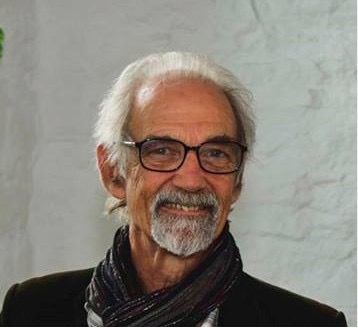
: I started my interest 5 years ago through a workshop by Caroline Hickman, and have been on the mailing list of the CPA ever since; I have been a member of XR since 2018, am a member of XR Psychologists, and have done regen work here in Bristol; I have researched and written articles on the subject of young people’s distress, some of which are on my Academia account; more recently, working with the South West branch of the BPS I have taken part in, and run workshops of intergenerational concerns about climate change.
I am currently working with one client who is a JSO activist.
I am an integrative psychotherapist working in private practice. I also supervise trainee therapists as well as qualified practitioners.
I have been active in the climate protest movement since 2018. I was part of the XR Wellbeing team, coordinated support hubs during actions from 2019-2022 and delivered training to volunteers who wanted to join the Wellbeing team. I am less active now although still take part in some events bringing attention to the climate crisis. I attended a retreat at The Centre for Alternative Technology in 2019 which was based on the work of Joanna Macey and her book 'Active Hope'. I have attended grief workshops and also a Fresk event.
I am part of a group of XR grandparents and elders who offer support to each other and to younger activists. I am also a member of a small CPA group who meet monthly on zoom for peervision as climate aware therapists, and we also occasionally meet in person for walks in nature. I find that working in private practice I rarely hear clients mention climate as a source of stress and anxiety, and this surprisesme. However with the current increase in extreme weather events and the beginnings of more adequate media coverage I believe that this will change.
Working with those who already are fully aware of the climate crisis feels very important now. I want to offer support to climate activists and people suffering from the grief that comes with the realisation of the possibility that humans have wrought such terrible destruction on the earth that it may not sustain future life for most creatures now living on it.
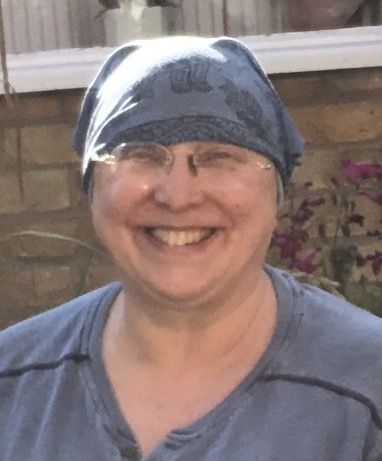
My name is Susan, pronouns she/her. I am currently engaged in my counselling private practice and offering other voluntary work. In a past life, I was a teacher by profession.
My focus as a practitioner is on spirituality and identity with a non-pathologising approach to distress reactions and responses.
I am an Adlerian (ASIIP) qualified psychotherapeutic counsellor, and a pantheist. I can remember the mood, vigour and heartfelt hope of the sixties while growing up in the Cheshire countryside, some still remains but I witnessed the destruction/transformation of many loved sites.
ASIIP stands for Adlerian Society (UK) Institute for Individual Psychology where Individual is a representation, too, of indivisible aspects. People co-exist in relation to groups and others in multiple worlds. Life is holistic in nature. I notice how my views find allegiance with the group Therapy and Social Change where ‘Wild Therapist,’ Nick Totton argues that Justice is Indivisible.
Adlerian psychologists pay attention to early recollections believing they are significant to lifestyle choices. One of mine that is pertinent to this moment is the impact of a book introduced to me in my very early years, about a rabbit with wings that joined a group of wild rabbits to drive away big men and large machinery cutting down a wood.
I have been ‘Through the Door,’ a Climate Psychology Alliance workshop and returned with renewed commitment as an activist and glad to be able to join this directory.
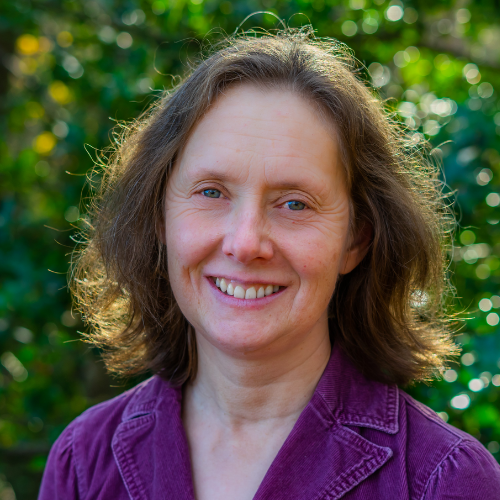
I qualified as a Psychotherapist in 2000 and have worked for the NHS and various charities.
I now have a private psychotherapy practice in Fife, Scotland. I originally trained in Person - Centred Psychotherapy, but have recently added Cognitive Behavioural Therapy to my practice. As well as working as a Psychotherapist I am also an Environmental Scientist, and have been involved in the Transition Network and in Climate Activism for many years. I therefore have a special interest in Eco Anxiety.
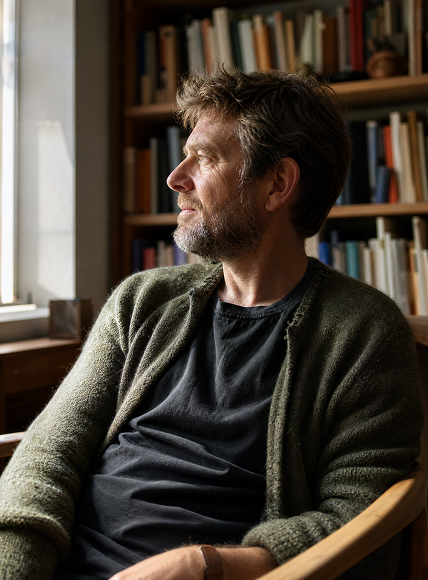
Dramatherapist, senior therapist at Oasis Project in Brighton, writer, and imaginal ecologist.
Challenging a toxic system with minimal results is exhausting — and yet we feel we have to continue. Not because we're sure we'll succeed, but because it's the right thing to do.
Since 2016 I've worked with changemakers and activists to nurture resilience: how we keep moving through an unravelling world without losing our balance, our meaning, or ourselves. Much of that resilience comes from connection — to ourselves, to each other, and to the more-than-human world. In connection we find steadiness and support.
I've been part of the climate movement since 2019, with a particular love for regenerative culture. I'm a trauma-informed therapeutic counsellor, trained in Dr Gabor Maté's Compassionate Inquiry — an embodied approach I draw on throughout my Resilience Counselling. My work is relational and somatic: sometimes we talk, sometimes we slow down and listen to what the body and emotions are carrying underneath the noise.
I also work with grief and empowerment practices from Joanna Macy's Work That Reconnects, facilitating multi-day retreats that help climate-active people turn eco-anxiety and climate grief into something grounded and sustaining.
If you're carrying the weight of caring deeply about the world — burnout, grief, anxiety, or the quiet question of how to keep going — I'd be glad to walk alongside you. I work primarily in English and offer sessions online and in the Netherlands.
I am a transpersonal integrative counsellor and eco-therapist based in Brighton and I have worked in different roles within various statutory and third sector mental health services for over 15 years. For CPA, I offer therapeutic support to environmental activists and other groups of people experiencing distress on account of the climate, ecological and interrelated social crises and injustices. Having participated in various forms of activism myself, I am familiar with the kinds of struggles this can bring and the need to balance meaningful engagement with avoiding and healing from burn-out. I have worked with young people, including students needing to emotionally process very disturbing things they are learning about the state of our world through their academic courses. Many young people I see are angry about the world-problems being handed down to them deal with and are often worried or despairing about their futures. I've also worked with parents who are frightened for their children, and with people who feel overwhelmed by their deep care for other people and for the decimated and threatened other than human animals and plant life of the planet. I do not view issues of climate and ecological breakdown separately from issues of colonialism or it's racist legacies. In particular I hold the racial trauma faced by people of colour alongside climate and ecological grief and anxiety. My work is about supporting inter-linked environmental and social injustices and crises to be faced and responded to more openly, fully and freely, with deeper wisdom, greater courage and more care.