
Bring Climate Café Listening Circles to your own community

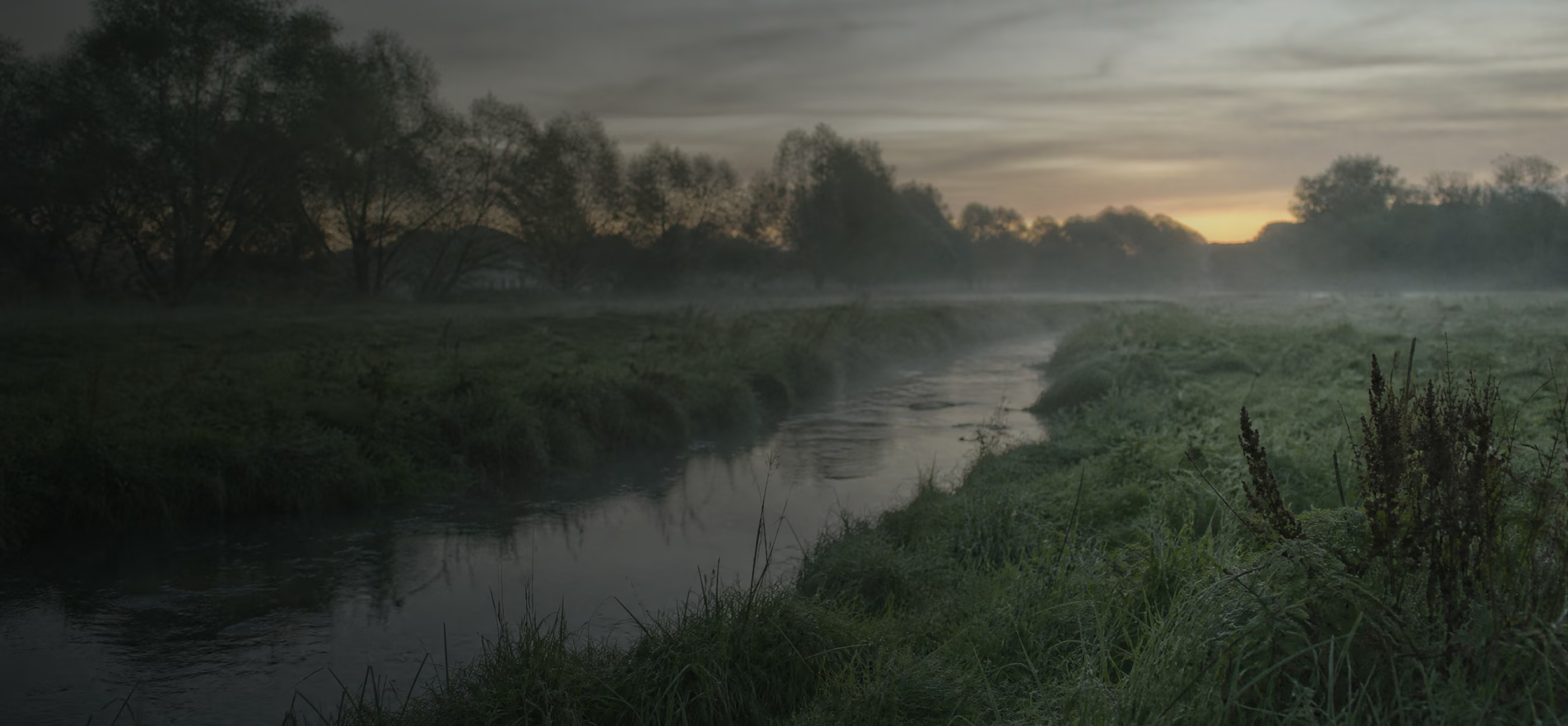
Misty river winding through fields at dawn
Looking up at bare tree trunks against a pale sky

You don't need to be a therapist

You don’t need to be a therapist or have all the answers. You need warmth, care, and a deep belief that being heard matters. If you’ve been to a Climate Café Listening Circle(CCLC) and thought “I want to do this for others,” this training is for you.

What you'll learn:

  • The underlying climate psychology that shapes the CCLC structure

  • Facilitation skills for holding emotionally difficult conversations

  • How to create environments of fairness, safety, and belonging

  • Practical aspects of setting up your own CCLCs, online or in person

  • How to manage the experience of being a participant first, then a facilitator

Close-up of lichen and moss on rock

Why this training matters

As the climate crisis deepens, demand for these spaces is growing. Many people are looking for somewhere they can speak honestly, without being told to stay positive or take action.

A Climate Café Listening Circle is a facilitated, empathetic space where people can safely share feelings about the climate and ecological crisis. There are no talks, no advice, and no pressure to act. Participants listen and speak from experience. It offers a refuge for emotions often pushed aside in everyday life. Learn more about CCLCs.

By the end of the programme, you’ll be ready to set up and facilitate your own CCLCs and join a growing network of trained facilitators, with ongoing peer support through CPA.

Empty wooden bench beside a river in autumn

How the training works

The CPA CCLC Training programme is built for depth, not speed. It's a structured experience that takes a small group through everything they need to facilitate confidently, and builds peer relationships that last beyond the training itself.

Three sessions, 7.5 hours total

The programme is divided into three sessions, totalling 7.5 hours. You'll have the same CPA facilitators throughout, building trust and continuity across the cohort.

Closed cohorts of 16

Each cohort is closed and capped at 16 participants. This is intentional, the small group size lets relationships form and gives everyone room to participate fully. You're encouraged to attend with a potential co-host if you have one in mind, since CCLCs are always facilitated by two people.

One prerequisite

You must have attended a Climate Café Listening Circle as a participant before starting the training. This is essential, you need to know what it feels like to be in the circle before you can hold one for others. CPA-led CCLCs are listed on our events calendar; you can also attend a similar circle elsewhere if it shares CPA's structure and ethos.

No therapeutic background needed

This training is open to anyone with the warmth and willingness to hold space. You do not need to be a therapist, counsellor, or psychologist. CCLCs are, in the words of one facilitator, "for citizens, by citizens."

Led by an experienced team

The training is led by Rebecca Nestor, Gillian Broad, Linda Aspey, and the wider CPA CCLC facilitator team. Two lead facilitators run each cohort, supported by additional team members who hold mini Climate Cafés within the workshop itself.

Peer community for the long haul

The closed cohort format is designed to help you build a community of trusted peer facilitators for ongoing support, buddying, and potential collaboration. Once trained, you also become part of the wider CPA CCLC facilitator community.

Team

Hosting and facilitating a Climate Café Listening Circle training is led by an experienced team

Rebecca Nestor

Organisational consultant, facilitator, and coach based in Oxford, with a doctorate on leadership in climate change organisations. Co-chair of Climate Psychology Alliance, co-developed CPA's work on climate café listening circles

Gillian Broad

Professor of social work at the University of Sussex and an experienced facilitator of reflective groups including Climate Café Listening Circles.

Linda Aspey

Director of Psychology at the National Emergency Briefing, leading on integrating climate psychology, into NEB and People's Emergency Briefings. CPA board member and organisational consultant on climate psychology, climate leadership and building supportive cultures that can face into climate reality.

www.aspey.com

Ewan Davidson

Counsellor, supervisor and consultant using the person centred approach. Has been facilitating CCLC training since 2019.

ewandavidson.co.uk/

Janet Castellini

Modern psychoanalyst and supervisor. Certified Group Psychotherapist. Working with Climate Psychology Alliance in the UK and North America since 2019, facilitating climate cafes and climate cafe listening circles, training new CC and CCLC facilitators, and developing programs to help facilitators digest their experience, build community, and lean more deeply into their work.

Ronke Ayoola

Facilitator and Youth Coordinator at CPA whose work focuses on community building, youth engagement, events, and collaboration, with particular interest in climate justice, collective resilience and intergenerational dialogue.

Testimonials

What trained facilitators say

“There was always a warm welcome in each session. I enjoyed the openness to explore real challenges and the shared experience of the leaders, who lead from a space of caring within the guiding principles. Time was managed effectively with space to reflect and consider diverse use of language and perspective.”

CCLC training participant

“I was inspired by how the co-facilitators worked and ‘danced’ together. This role modelled how I would like to work and frames some of the contributions I would seek out in a co-facilitator.”

CCLC training participant

"As a coach working within communities where the impact of climate change are being directly experienced; there is a need for a safe space to share the challenging emotions that are felt. This training enabled me to facilitate a safe container for group participants to share because they care. In sharing Climate related emotions, there is a space created, a stuck-ness that begins to move and a sense of shared experience and even renewed hope. "

CCLC training participant

"It's hard to overstate how much it mattered to be in a closed cohort. By the end, I knew the people in my training group, and we still support each other."

CCLC training graduate

"I came in thinking I needed therapeutic credentials to do this work. I left understanding that what I actually needed was warmth, structure, and the willingness to sit with hard feelings. The training gave me all three."

CCLC training graduate

"The training gave me the confidence and the community to start holding spaces in my own town. I'm not doing this alone anymore, I have a network of co-facilitators I trust."

CCLC training graduate