What does it mean to be a good parent in this difficult time?

Sunset over a lake fringed with reeds

The weight of knowing your children face an uncertain future, and not always knowing what to say about it is hard. Climate and eco grief. Exhaustion. Fierce love. Whatever you're carrying, you don't have to carry it alone.

Empty circle of wooden chairs in a quiet room

Hear from parents who've joined a circle

A short introduction to what Parent Circles look and feel like.

Spaces for parents, carers and guardians to feel seen, heard and understood
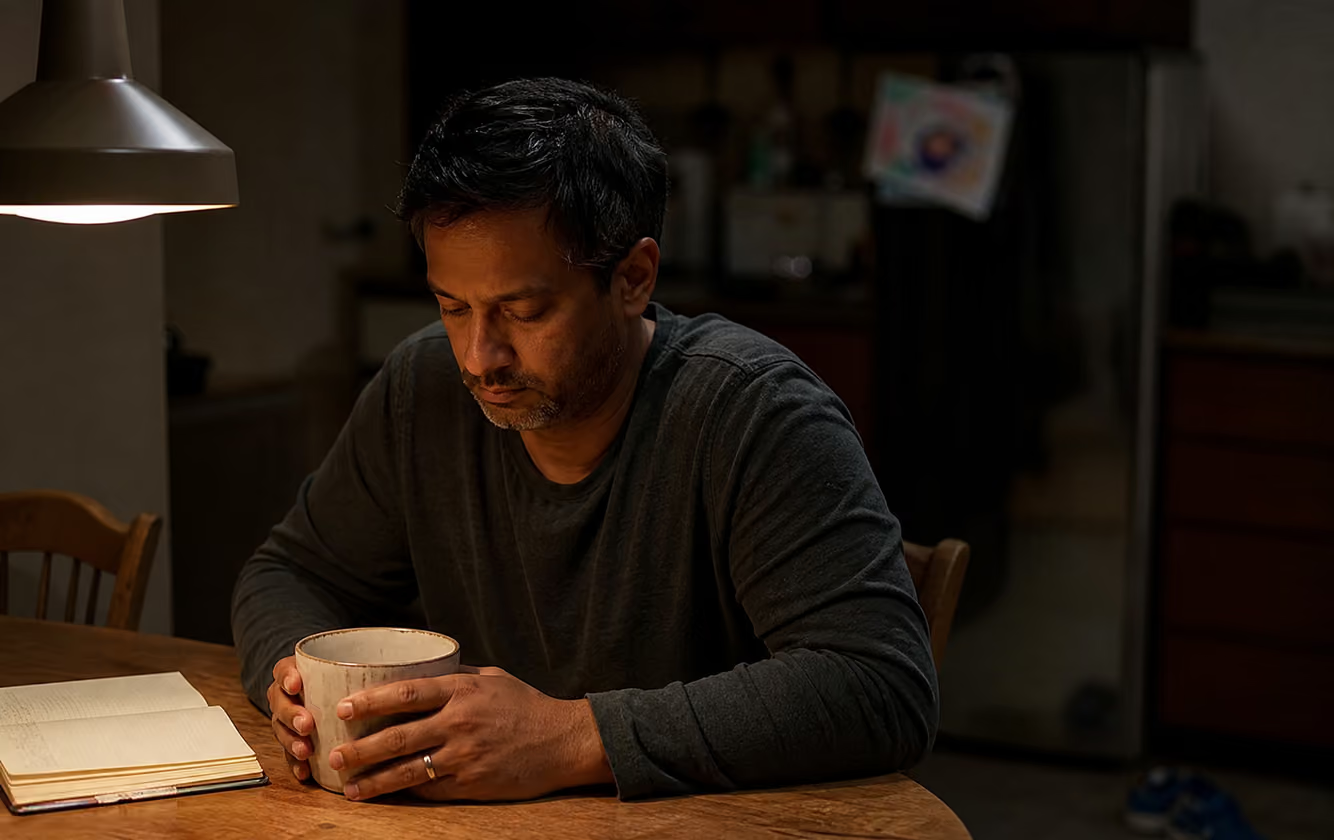
Man sitting at a kitchen table at night, holding a mug

What emotions come up for you when you think about the climate and ecological crisis? How do you feel knowing your children face such an uncertain and challenging future, some more so than others?


Climate Circles for Parents, Carers and Guardians are small, facilitated spaces where those who care for children and young people can share difficult feelings about the climate crisis. They're usually online, with facilitators who bring an understanding of the specific concerns that come up for parents and carers, and the impact climate distress has on children and young people.
Child in yellow wellies standing beside a puddle
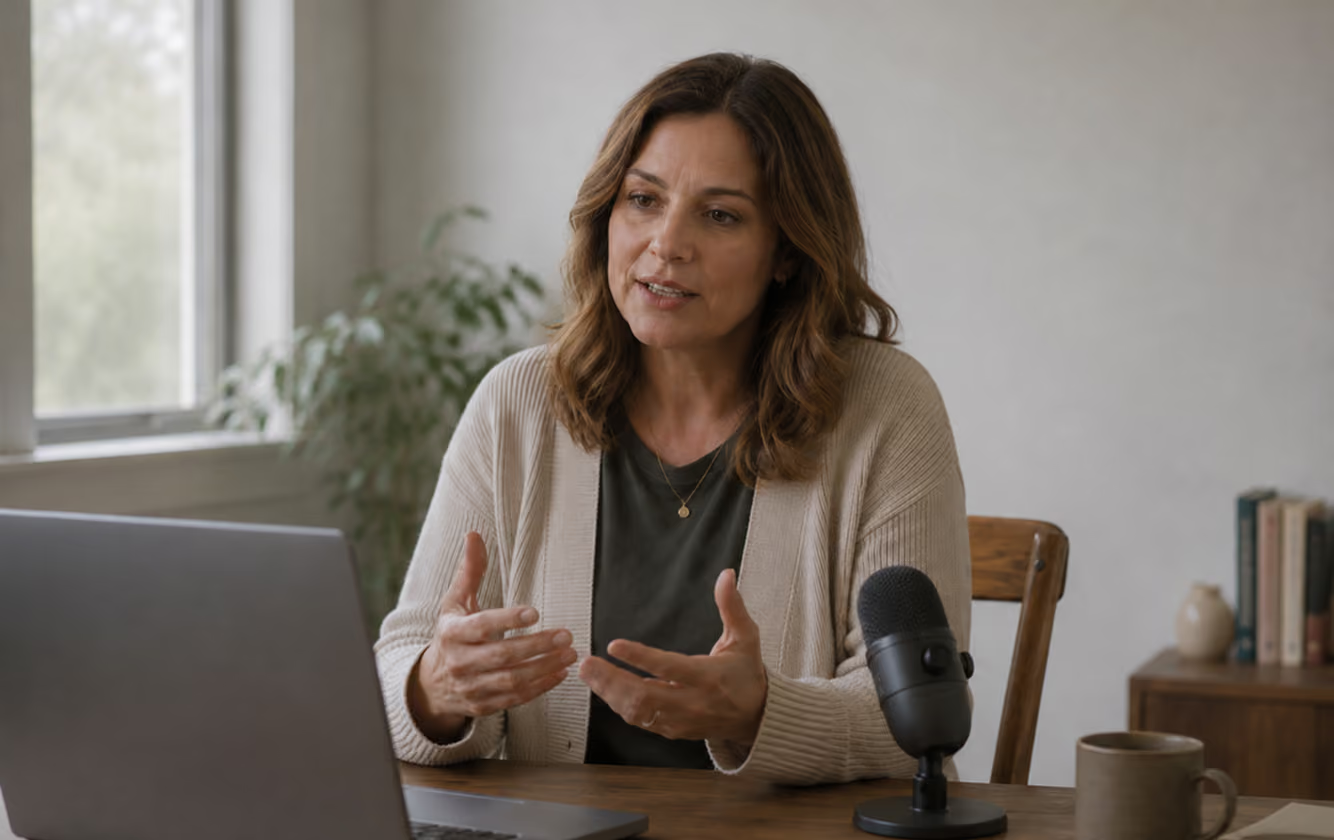
Woman speaking into a microphone during an online talk

There's no curriculum, no advice, and no pressure to get it right, just a place to share what you're holding, hear others do the same, and leave feeling a little less alone. Circles are led by two trained facilitators and are offered free or on a pay-what-you-can basis, so cost is never a barrier.
How to join a circle

1

Find an upcoming circle

Climate Circles for Parents, Carers and Guardians run regularly throughout the year, mostly online. Browse the events calendar to find one that works for you.

2

Book your place

If your chosen date is full, join the waiting list; places often open up at short notice.

3

Arrive as you are

Circles run for around 90 minutes with a small group of participants and two facilitators online. You'll be welcomed in, introduced to the format, and invited to share as much or as little as feels right.

4

Leave feeling heard and connected

Many people leave feeling lighter, grounded, and more ready to show up for the young people in their lives. And you’re always welcome to come back.

Reading and resources for parents and carers

Curated resources for parents, carers and educators

A small selection of the resources we’ve collected to help those supporting children and young people to navigate the crisis. You’ll find many more in our full library.

Stack of old books and a mug of tea by a window

Caring for Emotions in Climate Change Education

Co-developed by Dr Louise Edgington and CPA, this Cambridge Educational Guide provides advice on how teachers can support children’s emotional wellbeing when teaching on climate and the environment.

How to talk to your kids about the climate crisis

Accessible and concise guidance by CPA member Caroline Hickman, published via Greenpeace.

What children want us to know about climate change

This brief BBC animation, featuring the perspectives of children, also stems from CPA member Caroline Hickman’s research and provides useful guidance for having conversations with children.

Climate Feelings: Blob Climate Action

A guide and resource for exploring climate emotions with younger children and people who express themselves in non-verbal ways, developed in collaboration between Jo McAndrews (CPA) and Christian Aid.

A Guide to Climate Emotions

A guide to supporting reflection on climate emotions, including the useful climate emotions wheel. By Panu Pihkala with Anya Kamenetz.

The Existential Toolkit for Climate Justice Educators

A book that provides resources for teachers to support the development of emotional and existential tenacity in classrooms so that students can stay engaged.

Testimonials

What parents and carers say

“Hearing others speak about concerns that I struggle with normalised my experience and made me feel less alone. It also felt significant that we were a cross-cultural group, having common experiences despite living in different countries.”

Parent and Carer Circle participant

“[The most positive aspect for me was] being seen and listened to without judgement and with mutual understanding and care.”

Parent and Carer Circle participant

“The facilitators held the space gently and with care.”

Parent and Carer Circle participant

“It was wonderful to feel like we were able to build a safe space and mini-community based on common perspectives and experiences in such a short time frame. It helped so much to have my feelings validated, knowing that other mamas are experiencing similar things.”

Parent and Carer Circle participant

“[I felt] calmer, connected (not lonely as usual), supported by a net of people as worried as me.”

Parent and Carer Circle participant