

Research and resources, shaped by those doing the work

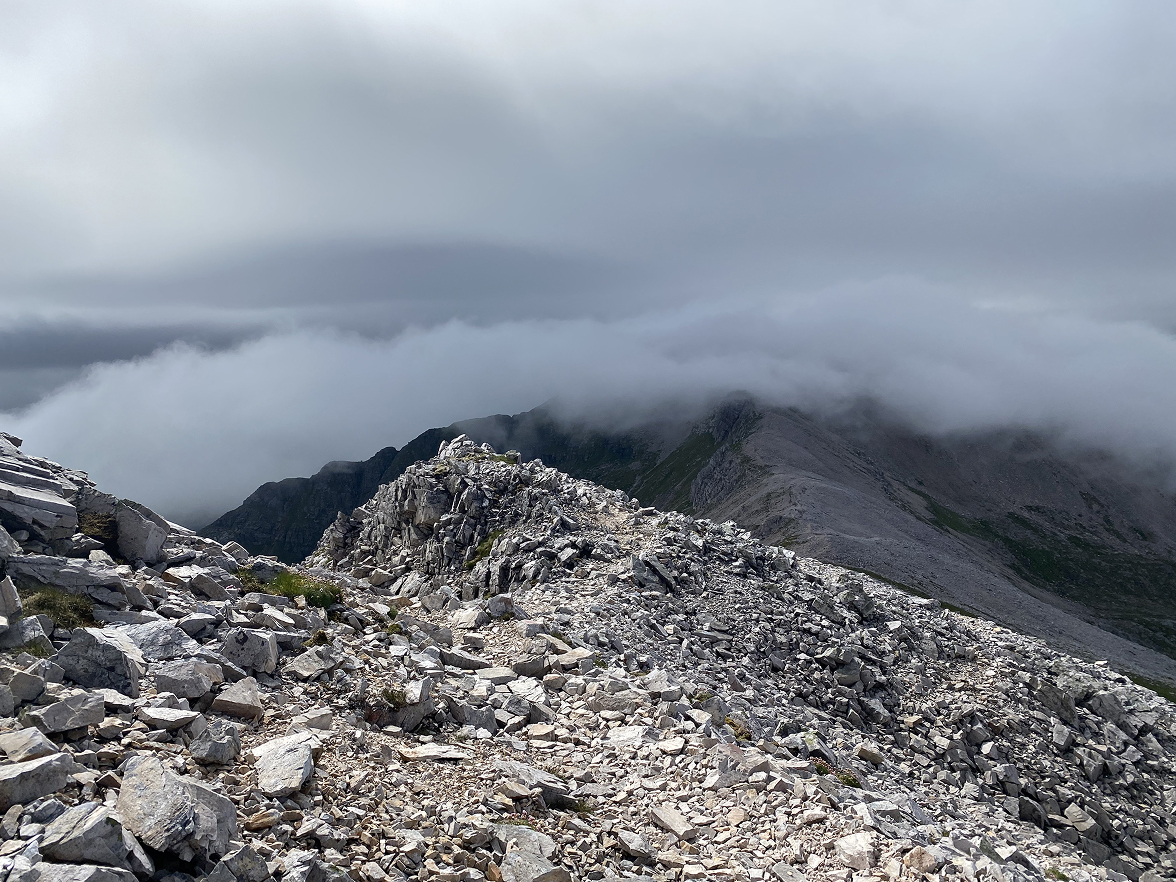
Dark woodland in evening light
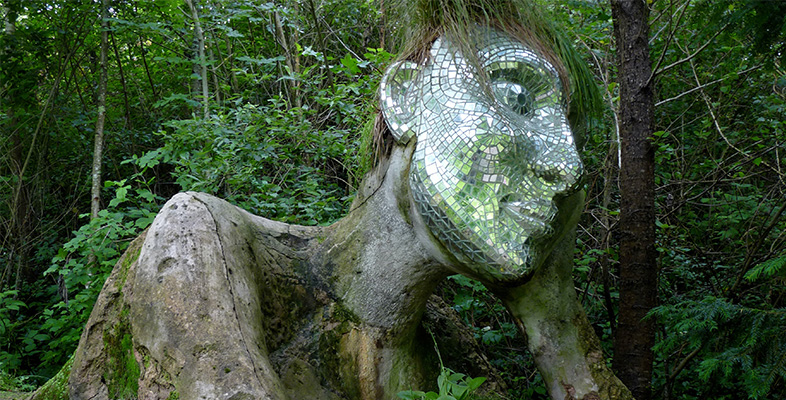
Unfurling fern frond

We're a community of researchers, practitioners, and thinkers committed to disseminating climate psychology widely, not just within our own professional circles. Through our flagship journal Explorations in Climate Psychology, our podcasts and talks, our library, and the contributions of members from across the world, we work to build a shared understanding of how psychology can meet this moment.

Explorations in Climate Psychology - the CPA journal

Navigating the inner and external work (relational and socio-political) that this moment calls on us to do, Explorations in Climate Psychology is CPA's flagship journal, published annually. We aim to be inclusive of the different ways people experience and engage with the climate and ecological crisis and welcome a wide range of forms: peer-reviewed research, analytical articles, reviews, interviews, reflections, testimonies, poetry, art, and lightly edited conversations.

Edited by CPA's Explorations Group, the journal explores current and emerging themes in the field, from climate grief and trauma to colonialism, decolonisation, the limits of Western rationality, and what it means to "stay with the trouble." The current editors of Explorations are noted in the latest issue.
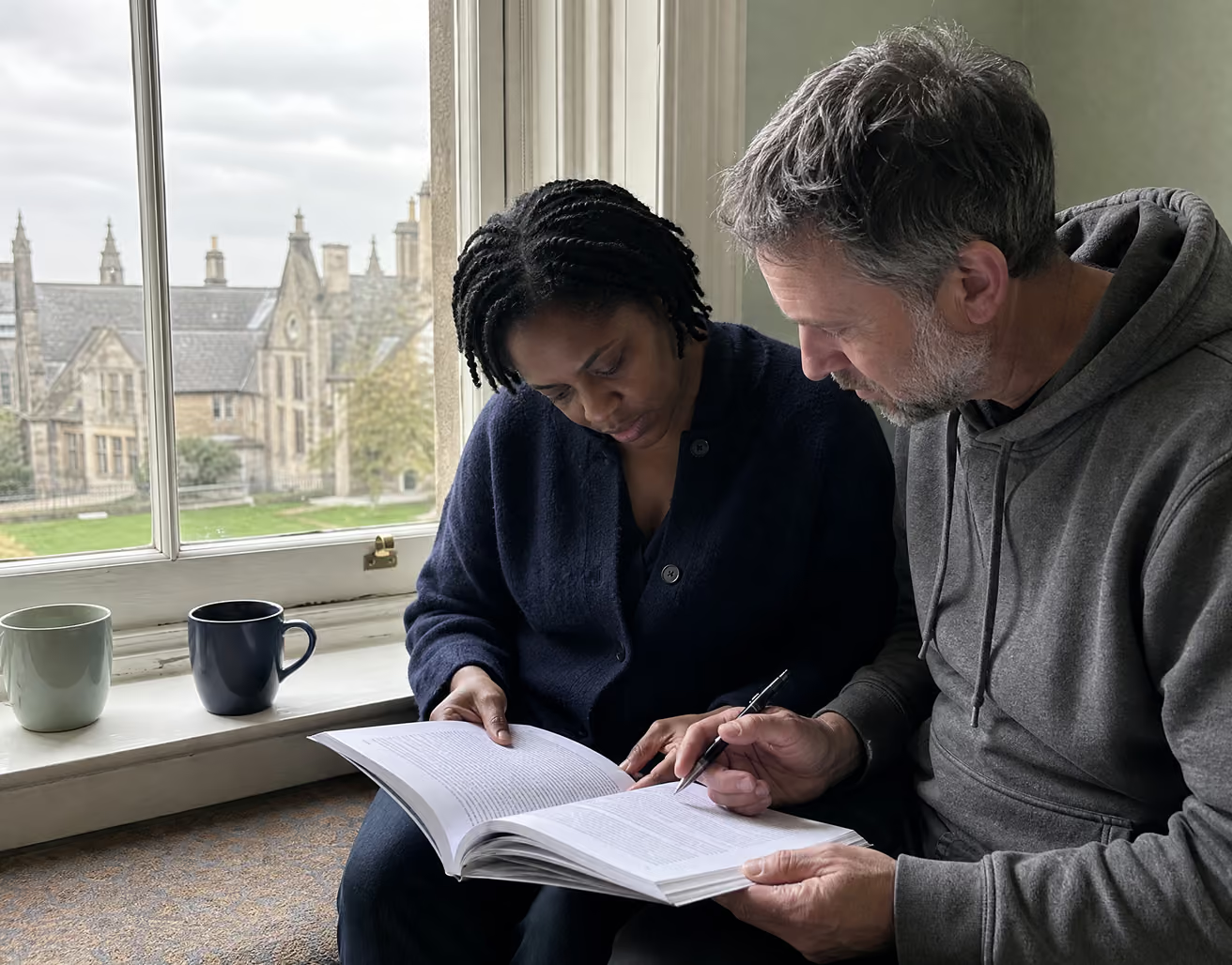

Two people reading an issue of the Explorations in Climate Psychology journal together
Three people researching together at a table with laptops and notes

We welcome contributions from inside and outside the CPA Community.

Find the latest call out here and guidelines for contributions here. The journal is open access and contributions can be used and quoted as long as they are referenced.

The Explorations group also offers online events with authors and other leading voices, which explore journal topics further.

See what's coming up

If you are interested in joining the editorial team (we particularly welcome young people and those of the Global Majority),  or wish to get in touch for another reason you can email them here.

A journal of climate psychology

Published regularly, featuring essays, research, and creative work from contributors across the UK and internationally. Each issue explores innovative forms of thinking and writing, navigating the relational and socio-political dimensions of the climate and ecological crisis.

Latest issue: Heavy weather: Exploring reactionary states of mind

Issue 8 is out now. In it you'll find explorations of the post-truth world, group narcissism, the unconscious, AI and power, and how these contribute to the reactionary state of mind.

Explorations: A journal of Climate Psychology

Published regularly, featuring essays, research, and creative work from contributors across the UK and internationally. Each issue explores innovative forms of thinking and writing, navigating the relational and socio-political dimensions of the climate and ecological crisis.

We also publish pieces from our journal via our Substack account. You can connect with us there, just follow @climatepsychologyexplorations on Substack.

New to Climate Psychology? Start here

Climate psychology is a young field with deep roots. If you're new to it, the resources below are good places to begin: foundational guides, podcasts and videos, defining texts, and the essential reading that practitioners and researchers return to again and again.

Hands resting on a book beside a mug and reading glasses
Three people in discussion around a coffee table

The Handbook of Climate Psychology

CPA's foundational guide to the field, freely available to download. The handbook introduces the key concepts, frameworks, and questions that shape climate psychology, and is used widely as an entry point for practitioners, researchers, and the curious.

Free Open University course

Introducing Climate Psychology: facing the climate crisis

The course explores ideas from social theory, psychoanalysis, ecopsychology, eco-feminism and post-humanism to gain a deeper understanding of the climate and ecological crisis, its impact on our wellbeing and how to build psychological resilience. The course is endorsed and supported by the CPA.

Climate Crisis Conversations

Our podcasts offers an accessible, conversational entry point into climate psychology, featuring CPA practitioners, researchers, and friends in dialogue about the climate and biodiversity crisis and the full range of emotional responses to it.

Deep questioning - navigating youth in a time of climate change

The power of art in helping us to 'see' climate change

Talking with children about climate change

What our members are sharing

Climate psychology is built collaboratively, by members for members and beyond. The work below reflects what people across our community are thinking about, researching, writing, and making right now. These are member contributions, not CPA publications, voices from across the alliance.

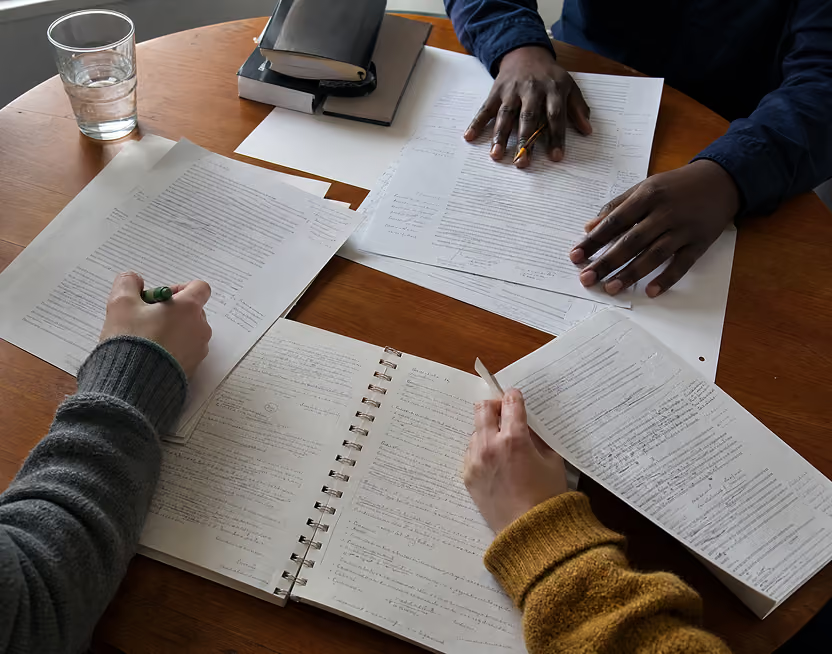
CPA members sharing handwritten notes around a table
Thinking Space
Climate and ecological emotions
Climate justice & decolonising

Hosting and facilitating a Climate café listening circle (CCLC) training

Do you want to help build resilience in your community? Climate Cafe LIstening Circle (CCLC) Training builds the confidence, skills, and peer community to facilitate your own circles. Delivered as a structured programme over three sessions in closed cohorts, with ongoing supervision and support afterwards.

Wet garden path through lush greenery

The Climate Crisis Digest is our monthly publication, usually a short piece written by members.

The name Digest reflects the psychoanalyst Wilfred Bion's insight that experience needs to be digested in order to be thinkable, especially when it is hard to bear (hence CPA's approach to difficult truths). The Digest style is not academic or polemical, more journalistic and exploratory in tone. That requires reflection by the author, to invite reflection in readers. Reflection here means inquiring into our emotional experience so as to more fully engage with the meaning of what is written.

The Digest is edited by Thulsi Prabakaran.

Subscribe to our newsletter.

All news posts

Our library is a collection of open-access research and resources, written or recommended by CPA members.

Displaying
1
of
1
articles
Thank you! Your submission has been received!
Oops! Something went wrong while submitting the form.
Climate justice & decolonising
Therapeutic perspectives

'If I break your leg, you won't ask me to fix it for you'

This paper explores the ambitious task of decolonising white-led UK bereavement support services, addressing the inequities embedded in the Whiteness of coloniality and modernity. The authors argue that specialised bereavement services may themselves represent an anachronism of a modernity whose core narrative of control and progress obscures other ways of responding to death, and that the existence of such services, based on claimed expertise, can paradoxically intensify uncertainty about what grief 'is' and how it should be supported. Drawing on the experiences of practitioners from diverse heritage backgrounds, the paper explores decolonising possibilities for bereavement support in the everyday lives of individuals, families and diasporic communities.

n.d.
Research papers
If I break your leg, you won't ask me to fix it for you'
Stedmon
Therapeutic perspectives
Nature connection
Theory and frameworks

Coming to Our Senses: Turning Towards the Body

This chapter argues that it is the loss of our embodied relationship to ourselves and our world that results in our failure to grasp the reality of what is happening to our natural environment. It calls for a phenomenological approach to psychological exploration and a return to embodied knowing, arguing that all psychotherapy should be body-oriented in a time of environmental breakdown, and discusses the training needs of future environment-aware therapists.

2024
Books & chapters
Coming to Our Senses: Turning Towards the Body
Staunton
2024
Climate and ecological emotions
Activism & collective action
Hope & resilience

From anger to action

Using Australian national survey data, this study investigates differences between eco-anxiety, eco-depression and eco-anger in their effects on climate action and wellbeing. Contrary to assumptions that all climate-related distress is equally unhelpful, the authors find that eco-anger predicted better mental health outcomes alongside greater engagement in climate activism and personal pro-environmental behaviour, while eco-anxiety and eco-depression were less adaptive, relating to lower wellbeing. Notably, eco-depression was linked to greater participation in collective action even as eco-anxiety predicted lower engagement, positioning anger as a key adaptive emotional driver of climate engagement.

2021
Research papers
From anger to action
Stanley
2021
Therapeutic Support
Policy
Climate and ecological emotions

Mental health and psychosocial interventions in the context of climate change: a scoping review

This scoping review identifies and characterises existing mental health and psychosocial interventions designed to address the psychological impacts of climate change. Drawing on both academic and grey literature, the authors identify 37 unique interventions or intervention packages, operating at micro-, meso-, exo- and macrosystem levels through diverse mechanisms. Most interventions have not been formally evaluated, but preliminary evidence is promising, particularly for interventions implemented in low- and middle-income countries disproportionately affected by climate-related disasters, including examples from China, Zimbabwe, Bangladesh, Indonesia, Brazil, Cameroon, Peru, Tanzania and Vietnam. The review calls for further investment in evaluation, multidisciplinary collaboration, and the development of proactive, forecast-based interventions that anticipate future climate stressors rather than only responding to disasters after they occur.

2024
Research papers
Siqi Xue
Alessandro Massazza
Samia C. Akhter-Khan
Britt Wray
M. Ishrat Husain
Mental health and psychosocial interventions in the context of climate change: a scoping review
Xue
2024
Therapeutic perspectives
Climate and ecological emotions

Therapists' experience of climate change

This qualitative study explores how therapists in Australia experience climate change personally and professionally, and how they navigate the dialectic between the two. Findings suggest that although the mental health impacts of global warming are increasingly documented, these issues remain inadequately addressed within psychotherapeutic training and practice, revealing a gap between the growing evidence base on climate-related psychological distress and the profession's readiness to respond. The study calls for further research into how individual therapists can integrate their own climate responses with clinical work, and for professional bodies to provide leadership, training and support.

2022
Research papers
Therapists' experience of climate change
Silva
2022
Therapeutic perspectives
Therapeutic Support
Climate and ecological emotions

Climate change on the therapist's couch

Masters Thesis, Smith College School for Social Work (Seaman, 2016): The scientific community has reached near consensus that climate change (also known as anthropogenic global warming) poses a significant and potentially dire threat to the ecosystems upon which we, as humans and as a society, rest. While climate change is most often discussed in terms of its effect on the natural environment, its psychological impacts are also expected to be immense and varied and include indirect distress related to the threat that climate change poses. This thesis explores how mental health clinicians receive and respond to indirect psychological impacts of climate change in the therapeutic setting.

2016
Research papers
Seaman, E.
Climate change on the therapist's couch
Seaman
2016
Creative practice
Therapeutic Support
Climate and ecological emotions

Coping with the Climate Crisis: Exploring Art Therapy for Sustainable Mental Health

Explores eco-anxiety, eco-grief and eco-art therapy as responses to climate-related mental health challenges.

2020
Research papers
Caitlin Scheirich
Coping with the Climate Crisis: Exploring Art Therapy for Sustainable Mental Health
Scheirich
2020
Parenting
Climate and ecological emotions
Climate justice & decolonising

Climate emotions, parenting plans, and racial difference in the United States

This survey-based study examines how climate-related emotions intersect with parenting and birthing decisions in the United States, with particular attention to racial difference. Participants were asked about their emotional responses to climate change generally, and separately about their emotions relating to birthing and raising children in the context of the climate crisis. The study finds that non-white respondents were more likely than white respondents to report feeling traumatised by climate change and to plan smaller families as a result of climate-related emotions, while also being more likely to report hope and optimism regarding both climate change and parenting under its shadow. White women were the least likely group to report positive emotions about parenting during climate change, while white men were the most likely to report emotional numbness, indifference or disengagement. Religious affiliation also shaped emotional responses, with Christian respondents more likely to report positive emotions overall. The study highlights significant racial differences in how climate emotions shape reproductive and parenting decisions.

2024
Research papers
Jade S. Sasser
Erica Borgstrom
Climate emotions, parenting plans, and racial difference in the United States
Sasser
2024
Denial & avoidance
Climate justice & decolonising
Theory and frameworks

Noah's Arkism 21st Century Style (New Associations, Issue 29: Climate Change Special Issue, Article 4)

Written for the British Psychoanalytic Council's climate change special issue, exploring a mindset Weintrobe terms 'Noah's Arkism' - the fantasy that a privileged few can secure their own safety while the wider world faces climate catastrophe.

2019
Articles & reflections
Noah's Arkism 21st Century Style (New Associations, Issue 29: Climate Change Special Issue, Article 4)
2019

Join our community of thinkers, researchers, and reflective practitioners

CPA is more than a publisher or a library. We're a working community of people thinking together about climate psychology. Our members participate in regular Thinking Spaces, contribute to research groups, edit the Explorations in Climate Psychology Journal, maintain the library, and bring their own work into shared conversation. Research at CPA is collaborative, generative, and grounded in practice.

Why join:

  • Monthly Thinking Space

  • Research Group

  • Opportunities to Publish

  • Intergenerational buddying

  • Student and Young Members Group

  • Opportunities to Publish

House with lit windows under a sunset sky