

Research and resources, shaped by those doing the work

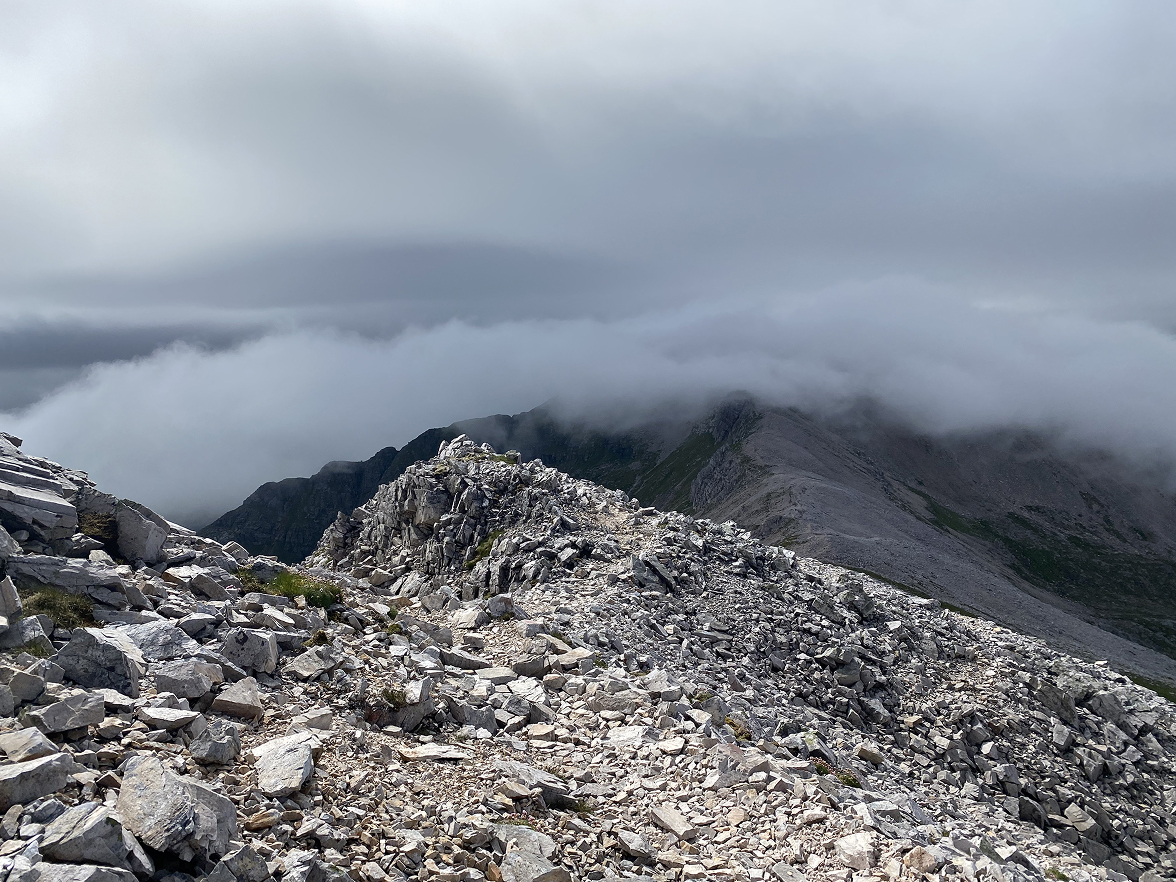
Dark woodland in evening light
Unfurling fern frond

We're a community of researchers, practitioners, and thinkers committed to disseminating climate psychology widely, not just within our own professional circles. Through our flagship journal Explorations in Climate Psychology, our podcasts and talks, our library, and the contributions of members from across the world, we work to build a shared understanding of how psychology can meet this moment.

Explorations in Climate Psychology - the CPA journal

Navigating the inner and external work (relational and socio-political) that this moment calls on us to do, Explorations in Climate Psychology is CPA's flagship journal, published annually. We aim to be inclusive of the different ways people experience and engage with the climate and ecological crisis and welcome a wide range of forms: peer-reviewed research, analytical articles, reviews, interviews, reflections, testimonies, poetry, art, and lightly edited conversations.

Edited by CPA's Explorations Group, the journal explores current and emerging themes in the field, from climate grief and trauma to colonialism, decolonisation, the limits of Western rationality, and what it means to "stay with the trouble." The current editors of Explorations are noted in the latest issue.
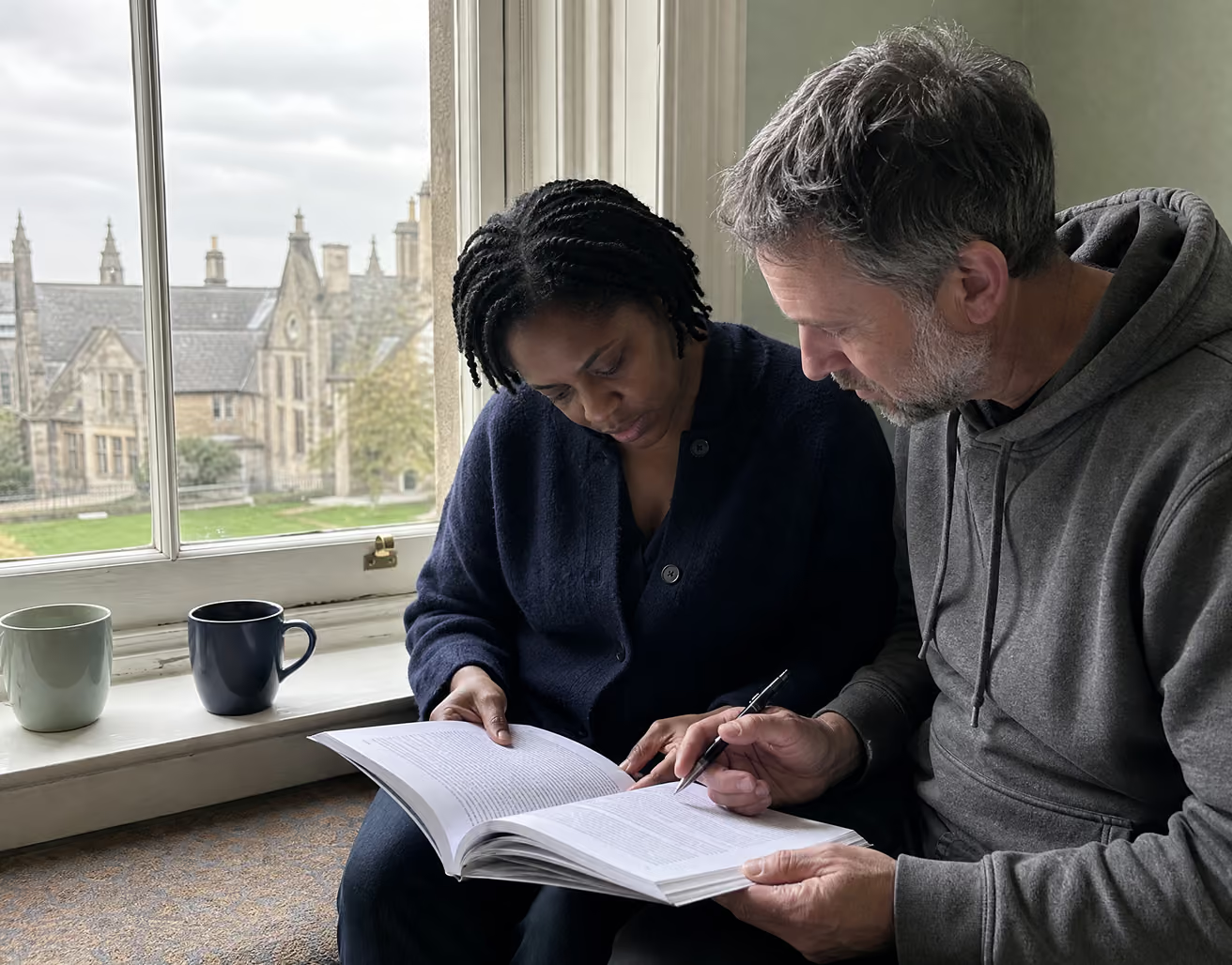

Two people reading an issue of the Explorations in Climate Psychology journal together
Three people researching together at a table with laptops and notes

We welcome contributions from inside and outside the CPA Community.

Find the latest call out here and guidelines for contributions here. The journal is open access and contributions can be used and quoted as long as they are referenced.

The Explorations group also offers online events with authors and other leading voices, which explore journal topics further.

See what's coming up

If you are interested in joining the editorial team (we particularly welcome young people and those of the Global Majority),  or wish to get in touch for another reason you can email them here.

A journal of climate psychology

Published regularly, featuring essays, research, and creative work from contributors across the UK and internationally. Each issue explores innovative forms of thinking and writing, navigating the relational and socio-political dimensions of the climate and ecological crisis.

Latest issue: Heavy weather: Exploring reactionary states of mind

Issue 8 is out now. In it you'll find explorations of the post-truth world, group narcissism, the unconscious, AI and power, and how these contribute to the reactionary state of mind.

Explorations: A journal of Climate Psychology

Published regularly, featuring essays, research, and creative work from contributors across the UK and internationally. Each issue explores innovative forms of thinking and writing, navigating the relational and socio-political dimensions of the climate and ecological crisis.

We also publish pieces from our journal via our Substack account. You can connect with us there, just follow @climatepsychologyexplorations on Substack.

New to Climate Psychology? Start here

Climate psychology is a young field with deep roots. If you're new to it, the resources below are good places to begin: foundational guides, podcasts and videos, defining texts, and the essential reading that practitioners and researchers return to again and again.

Hands resting on a book beside a mug and reading glasses
Three people in discussion around a coffee table

The Handbook of Climate Psychology

CPA's foundational guide to the field, freely available to download. The handbook introduces the key concepts, frameworks, and questions that shape climate psychology, and is used widely as an entry point for practitioners, researchers, and the curious.

Free Open University course

Introducing Climate Psychology: facing the climate crisis

The course explores ideas from social theory, psychoanalysis, ecopsychology, eco-feminism and post-humanism to gain a deeper understanding of the climate and ecological crisis, its impact on our wellbeing and how to build psychological resilience. The course is endorsed and supported by the CPA.

Climate Crisis Conversations

Our podcasts offers an accessible, conversational entry point into climate psychology, featuring CPA practitioners, researchers, and friends in dialogue about the climate and biodiversity crisis and the full range of emotional responses to it.

Can ancient myths help transform the narratives that led to the climate change crisis?

Climate Change: Finding the silver lining, part 1

Climate Change: Finding the silver lining, part 2

What our members are sharing

Climate psychology is built collaboratively, by members for members and beyond. The work below reflects what people across our community are thinking about, researching, writing, and making right now. These are member contributions, not CPA publications, voices from across the alliance.

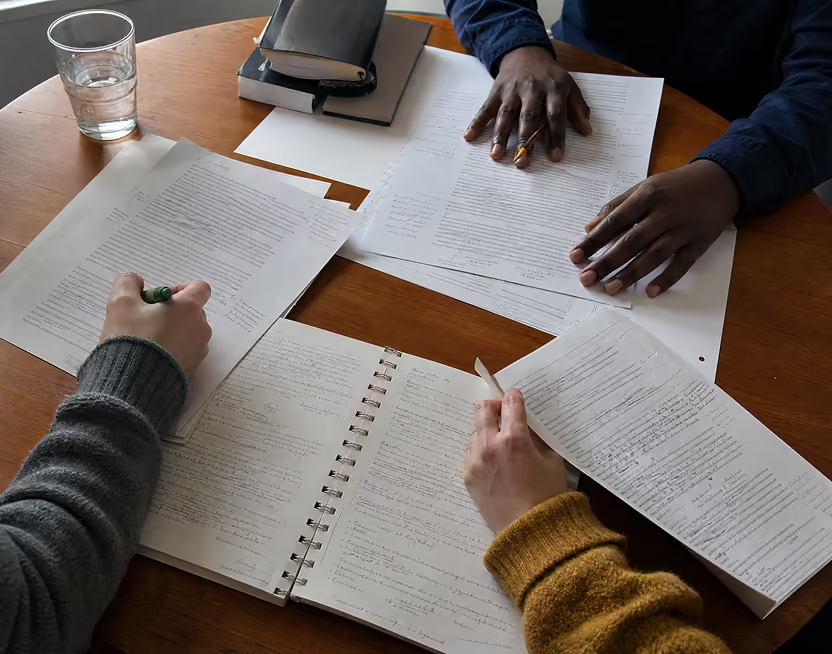
CPA members sharing handwritten notes around a table
Thinking Space
Climate and ecological emotions
Climate justice & decolonising

Hosting and facilitating a Climate café listening circle (CCLC) training

Do you want to help build resilience in your community? Climate Cafe LIstening Circle (CCLC) Training builds the confidence, skills, and peer community to facilitate your own circles. Delivered as a structured programme over three sessions in closed cohorts, with ongoing supervision and support afterwards.

Wet garden path through lush greenery

The Climate Crisis Digest is our monthly publication, usually a short piece written by members.

The name Digest reflects the psychoanalyst Wilfred Bion's insight that experience needs to be digested in order to be thinkable, especially when it is hard to bear (hence CPA's approach to difficult truths). The Digest style is not academic or polemical, more journalistic and exploratory in tone. That requires reflection by the author, to invite reflection in readers. Reflection here means inquiring into our emotional experience so as to more fully engage with the meaning of what is written.

The Digest is edited by Thulsi Prabakaran.

Subscribe to our newsletter.

All news posts

Our library is a collection of open-access research and resources, written or recommended by CPA members.

Displaying
1
of
1
articles
Thank you! Your submission has been received!
Oops! Something went wrong while submitting the form.
Activism & collective action
Policy
Theory and frameworks

Individual action won't achieve 1.5°C warming — social change is needed, as history shows

The IPCC thinks we still have a chance of keeping warming to 1.5C. But current nationally determined pledges to take action to reduce warming, when combined, are emphatically "not on track to limit global warming to 1.5 degrees C above pre-industrial levels". The window of opportunity is small and shrinking - perhaps 12 years before a 1.5C target is unattainable, assuming in the meantime there is concerted global action to rapidly scale back carbon emissions [...] Look closer, and in an important sense, the IPCC report is all about change and upheaval, especially for the well-off citizens of the developed nations. But it is change on a scale we have never experienced before: “There is no historical precedent for the scale of the necessary transitions, in particular in a socially and economically sustainable way

2018
Articles & reflections
Adams, M
Individual action won't achieve 1.5°C warming — social change is needed, as history shows
Adams
2018
Climate and ecological emotions
Theory and frameworks
Therapeutic perspectives

Coming Back Down to Earth: Exploring Distress, Loss and Grief in the Anthropocene

I am an academic psychologist interested in individual and collective forms of distress in relation to experiences of nature, the climate crisis and environmentalism. My intention here is to talk through what I see as some of the connections between critical approaches to psychology/psychiatry, experiences of emotional distress and the Anthropocene - a new(ish) name for the complex combination of climate and ecological crises we are living through.

2020
Articles & reflections
Adams, M
Coming Back Down to Earth: Exploring Distress, Loss and Grief in the Anthropocene
Adams
2020
Denial & avoidance
Climate and ecological emotions
Hope & resilience

The climate crisis has arrived - so stop feeling guilty and start imagining your future

The climate disaster future is increasingly becoming the present – and, as the evidence piles up, it is tempting to ask questions about its likely public reception. Numerous psychological perspectives suggest that if we have already invested energy in denying the reality of a situation we experience as profoundly troubling, the closer it gets, the more effort we put into denying it.

2019
Articles & reflections
Adams, M
The climate crisis has arrived - so stop feeling guilty and start imagining your future
Adams
2019
Climate and ecological emotions
Creative practice
Therapeutic perspectives

Matters of Consequence: Art, Climate Psychology, and the Courage to Feel

Kate Adams - performance maker, lecturer, and co-chair of the Climate Psychology Alliance - talks with host Michael Hanf about how creativity and vulnerability can help people navigate the emotional weight of the climate crisis. They discuss the physical toll of unprocessed emotion, the shame and guilt that can paralyse action, and the spaces Kate creates for people to confront these feelings without judgement - a conversation about grief, hope, and the risk of engaging with what we cannot fix.

2026
Podcasts & talks
Kate Adams
Matters of Consequence: Art, Climate Psychology, and the Courage to Feel
Adams
2026

Join our community of thinkers, researchers, and reflective practitioners

CPA is more than a publisher or a library. We're a working community of people thinking together about climate psychology. Our members participate in regular Thinking Spaces, contribute to research groups, edit the Explorations in Climate Psychology Journal, maintain the library, and bring their own work into shared conversation. Research at CPA is collaborative, generative, and grounded in practice.

Why join:

  • Monthly Thinking Space

  • Research Group

  • Opportunities to Publish

  • Intergenerational buddying

  • Student and Young Members Group

  • Opportunities to Publish

House with lit windows under a sunset sky