

Research and resources, shaped by those doing the work

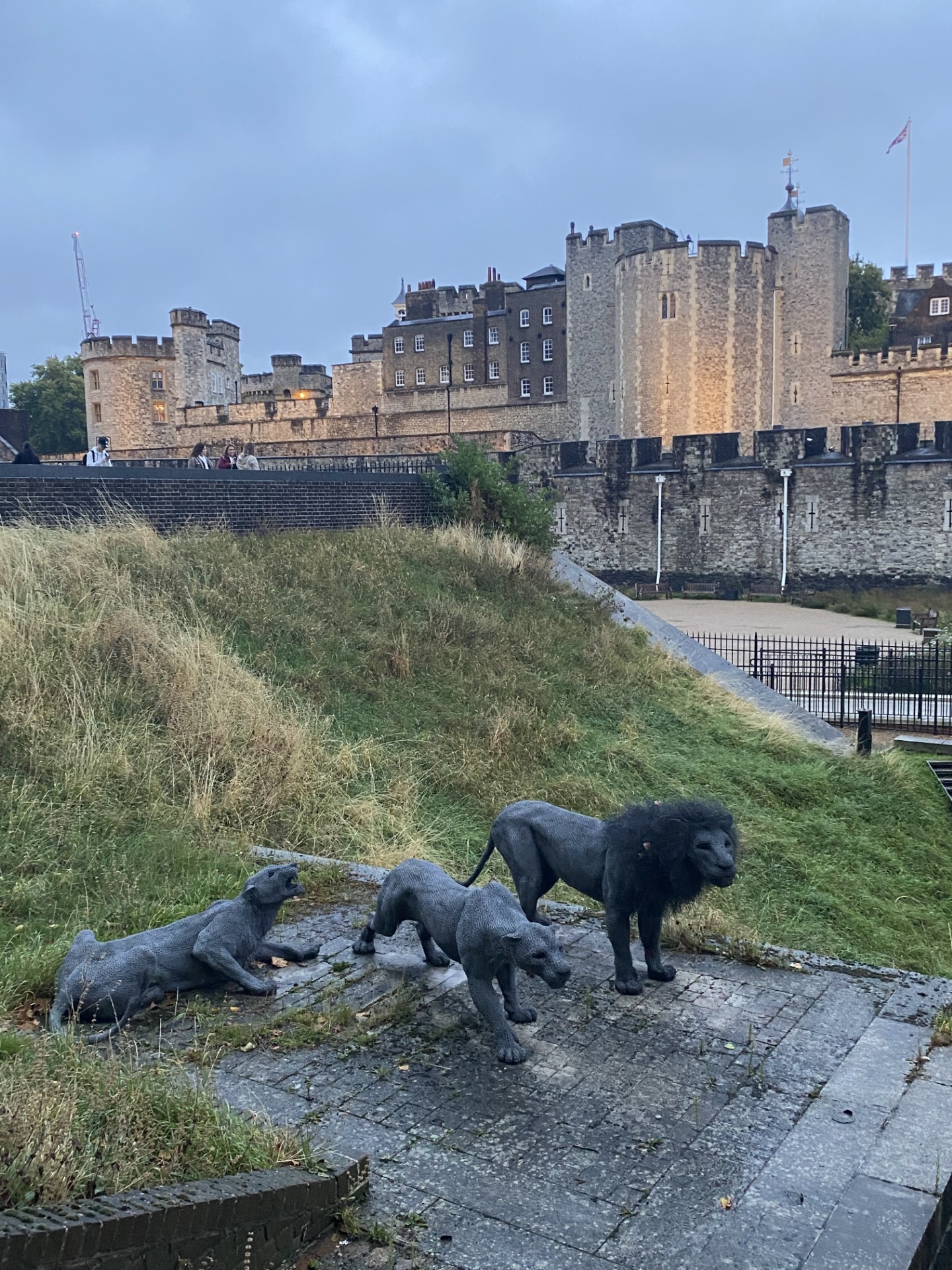
Dark woodland in evening light
Unfurling fern frond

We're a community of researchers, practitioners, and thinkers committed to disseminating climate psychology widely, not just within our own professional circles. Through our flagship journal Explorations in Climate Psychology, our podcasts and talks, our library, and the contributions of members from across the world, we work to build a shared understanding of how psychology can meet this moment.

Explorations in Climate Psychology - the CPA journal

Navigating the inner and external work (relational and socio-political) that this moment calls on us to do, Explorations in Climate Psychology is CPA's flagship journal, published annually. We aim to be inclusive of the different ways people experience and engage with the climate and ecological crisis and welcome a wide range of forms: peer-reviewed research, analytical articles, reviews, interviews, reflections, testimonies, poetry, art, and lightly edited conversations.

Edited by CPA's Explorations Group, the journal explores current and emerging themes in the field, from climate grief and trauma to colonialism, decolonisation, the limits of Western rationality, and what it means to "stay with the trouble." The current editors of Explorations are noted in the latest issue.
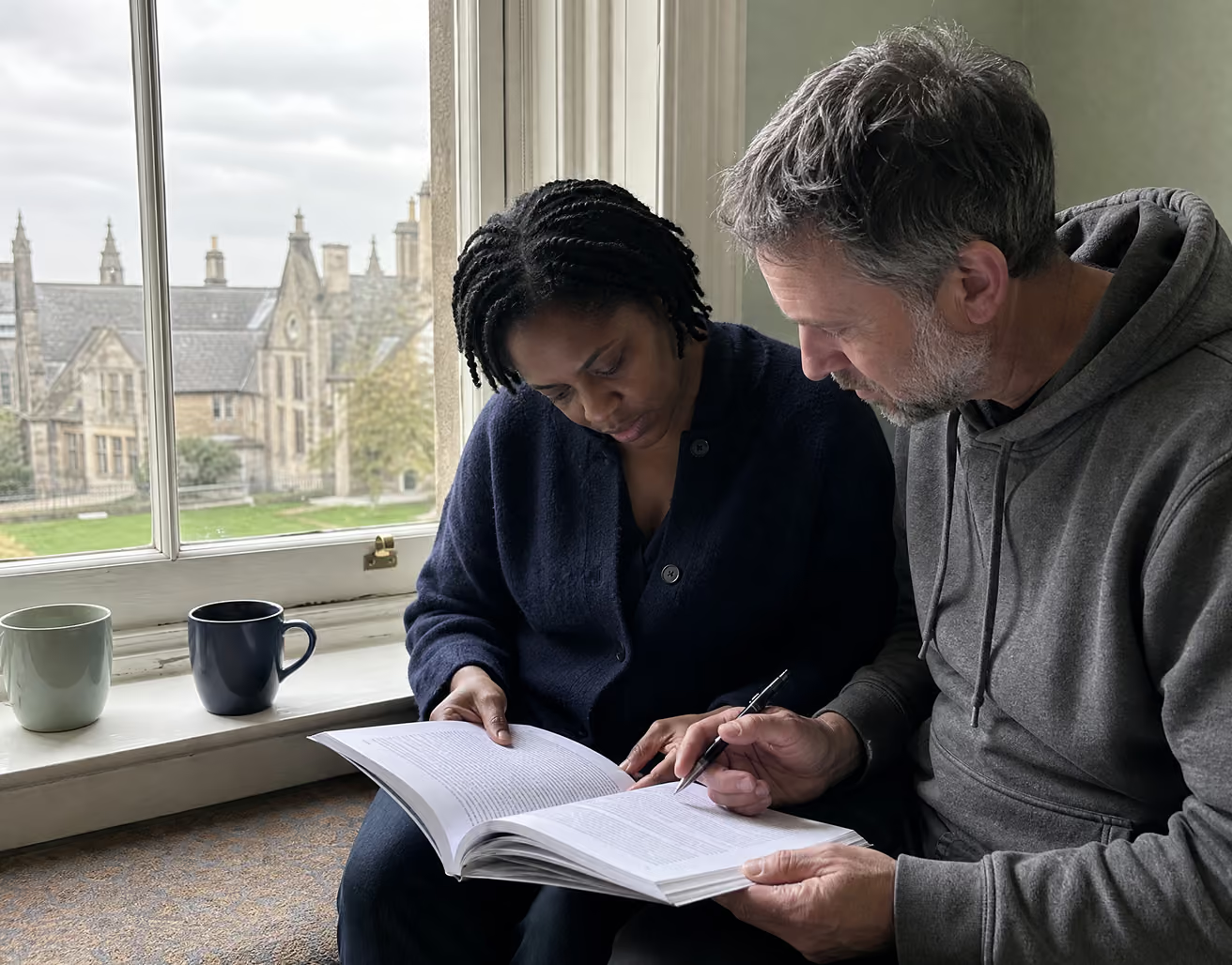

Two people reading an issue of the Explorations in Climate Psychology journal together
Three people researching together at a table with laptops and notes

We welcome contributions from inside and outside the CPA Community.

Find the latest call out here and guidelines for contributions here. The journal is open access and contributions can be used and quoted as long as they are referenced.

The Explorations group also offers online events with authors and other leading voices, which explore journal topics further.

See what's coming up

If you are interested in joining the editorial team (we particularly welcome young people and those of the Global Majority),  or wish to get in touch for another reason you can email them here.

A journal of climate psychology

Published regularly, featuring essays, research, and creative work from contributors across the UK and internationally. Each issue explores innovative forms of thinking and writing, navigating the relational and socio-political dimensions of the climate and ecological crisis.

Latest issue: Heavy weather: Exploring reactionary states of mind

Issue 8 is out now. In it you'll find explorations of the post-truth world, group narcissism, the unconscious, AI and power, and how these contribute to the reactionary state of mind.

Explorations: A journal of Climate Psychology

Published regularly, featuring essays, research, and creative work from contributors across the UK and internationally. Each issue explores innovative forms of thinking and writing, navigating the relational and socio-political dimensions of the climate and ecological crisis.

We also publish pieces from our journal via our Substack account. You can connect with us there, just follow @climatepsychologyexplorations on Substack.

New to Climate Psychology? Start here

Climate psychology is a young field with deep roots. If you're new to it, the resources below are good places to begin: foundational guides, podcasts and videos, defining texts, and the essential reading that practitioners and researchers return to again and again.

Hands resting on a book beside a mug and reading glasses
Three people in discussion around a coffee table

The Handbook of Climate Psychology

CPA's foundational guide to the field, freely available to download. The handbook introduces the key concepts, frameworks, and questions that shape climate psychology, and is used widely as an entry point for practitioners, researchers, and the curious.

Free Open University course

Introducing Climate Psychology: facing the climate crisis

The course explores ideas from social theory, psychoanalysis, ecopsychology, eco-feminism and post-humanism to gain a deeper understanding of the climate and ecological crisis, its impact on our wellbeing and how to build psychological resilience. The course is endorsed and supported by the CPA.

Climate Crisis Conversations

Our podcasts offers an accessible, conversational entry point into climate psychology, featuring CPA practitioners, researchers, and friends in dialogue about the climate and biodiversity crisis and the full range of emotional responses to it.

What is Climate Psychology? A way of listening...

Eco-anxiety, eco-despair, eco-depression, eco-grief? Or maybe eco-empathy?

What's under the surface of the attacks on school strikers?

What our members are sharing

Climate psychology is built collaboratively, by members for members and beyond. The work below reflects what people across our community are thinking about, researching, writing, and making right now. These are member contributions, not CPA publications, voices from across the alliance.

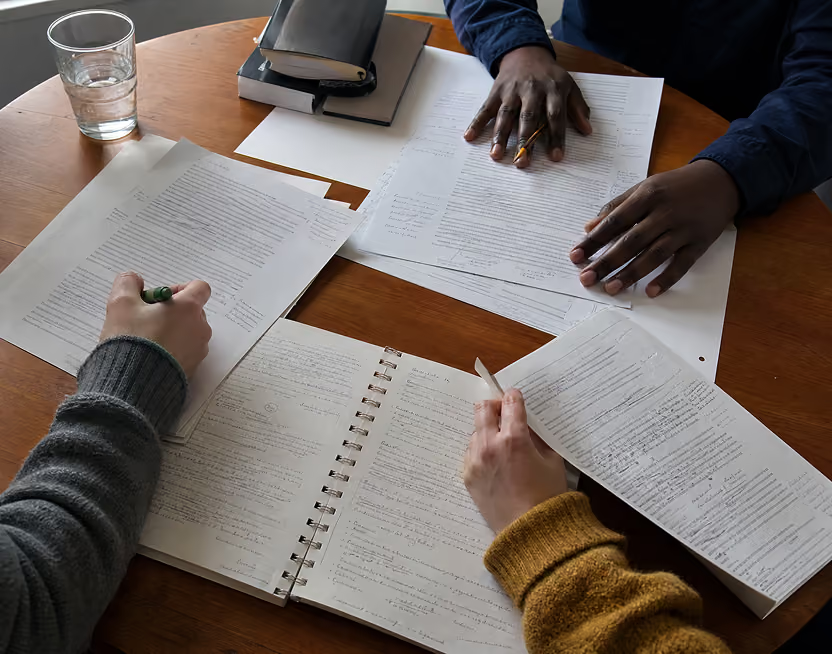
CPA members sharing handwritten notes around a table
Thinking Space
Climate and ecological emotions
Climate justice & decolonising

Hosting and facilitating a Climate café listening circle (CCLC) training

Do you want to help build resilience in your community? Climate Cafe LIstening Circle (CCLC) Training builds the confidence, skills, and peer community to facilitate your own circles. Delivered as a structured programme over three sessions in closed cohorts, with ongoing supervision and support afterwards.

Wet garden path through lush greenery

The Climate Crisis Digest is our monthly publication, usually a short piece written by members.

The name Digest reflects the psychoanalyst Wilfred Bion's insight that experience needs to be digested in order to be thinkable, especially when it is hard to bear (hence CPA's approach to difficult truths). The Digest style is not academic or polemical, more journalistic and exploratory in tone. That requires reflection by the author, to invite reflection in readers. Reflection here means inquiring into our emotional experience so as to more fully engage with the meaning of what is written.

The Digest is edited by Thulsi Prabakaran.

Subscribe to our newsletter.

All news posts

Our library is a collection of open-access research and resources, written or recommended by CPA members.

Displaying
1
of
1
articles
Thank you! Your submission has been received!
Oops! Something went wrong while submitting the form.
Therapeutic perspectives
Nature connection
Climate and ecological emotions

The Zone of Encounter in Therapy and Why It Matters Now

This chapter narrates incidents of eloquent encounter with other-than-human creatures and examines their impact within the content and process of therapy, suggesting particular significance within the context of climate emergency. The Zone restores a sense of being 'at home' on the Earth, offering relief from climate-anxiety, complementing activism, and potentially instilling a vision of a new ecological culture.

2024
Books & chapters
The Zone of Encounter in Therapy and Why It Matters Now
Hall
2024
Climate justice & decolonising

Prevalence and associated factors of common mental disorders among Ethiopian migrant returnees from the Middle East and South Africa

Ethiopian migrants to the Middle East and South Africa experience a range of problems at various stages of their migration including overwork, sleep deprivation, denial of food, emotional abuse, difficulty adapting to the host culture, salary denial, sexual abuse, labor exploitation, confiscation of their travel documents, confinement, denial of medication, lack of access to legal service and degrading attitude by employers, traffickers and smugglers. These experiences can be associated with different types of mental disorders. This study sought to determine the prevalence of common mental disorders (CMD) and socio-demographic and other migration related associated factors among Ethiopian migrant returnees from the Middle East and South Africa.A cross-sectional study was conducted using non-probability (i.e. purposive, availability and snowball) sampling techniques. Migrant returnees (n = 1036) were contacted individually at their homes in eight high prevalent immigrant returnee locations in Ethiopia. Common mental disorders were assessed using the self-reporting questionnaire (SRQ-20) and a structured questionnaire was employed to collect data on socio-demographic and migration related characteristics. Data were analyzed using descriptive statistics, univariate logistic regression, and multivariable logistic regression.

2017
Research papers
Habtamu, K.
Minaye, A.
Zeleke, W. A.
Prevalence and associated factors of common mental disorders among Ethiopian migrant returnees from the Middle East and South Africa
Habtamu
2017
Climate and ecological emotions
Nature connection
Hope & resilience

Rethinking the good life amid the ecological crisis: The interplay between eco-anxiety, nature connection and well-being

ABSTRACT: The ecological crisis, characterised by various interconnected environmental problems, has emerged as a significant source of anxiety, commonly known as 'eco-anxiety'. This psychological distress stemming from ecological threats carries profound implications for human and nonhuman well-being. Research suggests that while a strong connection with nature can increase eco-anxiety, cultivating and sustaining this connection can also serve as a coping mechanism to mitigate its negative effects. This study investigates the interplay between eco-anxiety, nature connection and well-being, suggesting directions for future research, education initiatives, therapeutic practices and policy development that can help individuals not only cope with eco-anxiety but transform it into a source of empowerment and active engagement with the natural world.

2025
Research papers
Grenman
Nyrhinen
Honkanen
Raikkonen
Rethinking the good life amid the ecological crisis: The interplay between eco-anxiety, nature connection and well-being
Grenman
2025
Climate justice & decolonising
Nature connection
Theory and frameworks

A Relationist Ethos: Aboriginal Law and Ethics

From Earth Ethics Australia Vol.1 (AELA, 2019), pp.1-6. Mary Graham is an Adjunct Associate Professor at the University of Queensland and a member of the Kombumerri Peoples. There are two basic precepts of Aboriginal law: the land is the source of the law, and you are not alone. In Aboriginal law, the land is a sacred entity, not property or real estate; it is the great mother of all humanity and is the source of life and law. The two most important kinds of relationship in life are, firstly, those between land and people and, secondly, those amongst people themselves, the second always being contingent upon the first. There are four essential attributes to the relationist ethos: a custodial ethic, locality, autonomy and balance. Ethics only come from having empathy and from looking after something outside ourselves. If there were an Aboriginal equivalent to Descartes' 'I think, therefore I am', it would be: 'I am located, therefore I am.'

2019
Research papers
A Relationist Ethos: Aboriginal Law and Ethics
Graham
2019
Policy
Theory and frameworks

How Can Psychology Contribute to Climate Change Governance? A Systematic Review

The urgency to reply to climate change requires a governance perspective that connects multiple societal levels and sectors and involves a plurality of actors. Psychologists should take an important role in addressing the ongoing climate crisis, together with other practitioners, scholars, policymakers and citizens. This systematic review aims to show the contribution psychology has offered in the governance of climate change, illustrating how psychological scholarship is positioned in the interdisciplinary discourse on climate governance and the way psychological constructs and theories are implemented.

2023
Research papers
Gloria Freschi
Marialuisa Menegatto
Adriano Zamperini
How Can Psychology Contribute to Climate Change Governance? A Systematic Review
Freschi
2023
Climate and ecological emotions
Nature connection
Hope & resilience

Climate Crisis and Consciousness (talk)

Dr Sally Gillespie is a writer, workshop facilitator, lecturer and public speaker with a background in depth psychology and ecopsychology. In this talk, drawing on her book Climate Crisis and Consciousness, Gillespie explores why we feel what we feel about the climate crisis -- including grief, anger, anxiety and hope -- and how facing these feelings, individually and collectively, can support the development of ecological consciousness and meaningful climate engagement.

n.d.
Podcasts & talks
Climate Crisis and Consciousness (talk)
Gillespie
Climate and ecological emotions
Activism & collective action
Therapeutic perspectives

Feeling the Change | Margaret Klein Salamon - A Panel from Psychology for a Safe Climate

A panel discussion led by Margaret Klein Salamon, author of Facing the Climate Emergency, exploring the emotional challenges of facing the climate crisis and how pain can be used to transform oneself and one's community rather than causing paralysis. Salamon is joined by three panellists: Sally Gillespie, author of Climate Crisis and Consciousness and co-founder of the Climate Wellbeing Network in Sydney, who speaks to how joining with others to address the crisis can reshape an isolated experience of self into a connected one; Charles LeFeuvre, a psychiatrist and psychotherapist with long involvement in psychological approaches to climate change; and Susie Burke, a Fellow of the Australian Psychological Society and author of the Climate Change Empowerment Handbook, with a particular interest in raising children in a climate-altered world.

2020
Podcasts & talks
Feeling the Change | Margaret Klein Salamon - A Panel from Psychology for a Safe Climate
Gillespie
2020
Theory and frameworks
Nature connection
Therapeutic perspectives

Cultivating Dialogues and Transforming Worldviews: a depth psychology prespective

This article is published in the first journal issue produced by the Australian Earth Laws Alliance's "Earth Ethics Program", which offers a space for people to explore ideas and actions that stem from our interconnectedness with, and dependence upon, the living world. Our ethical values are critically important; the way we think about ourselves and understand our world informs the governance systems that guide our societies, so our ethical world view is a critical part of the roots for larger change.

2019
Research papers
Cultivating Dialogues and Transforming Worldviews: a depth psychology prespective
Gillespie
2019
Therapeutic perspectives
Climate and ecological emotions
Theory and frameworks

We Need to Talk about Climate Change, with Depth [YouTube]

Sally Gillespie in conversation with Bonnie Bright, from the Earth, Climate, Dreams Symposium (2017) — one of a 12-part series bringing together Jungian psychotherapists, depth psychologists and climate scientists. Gillespie, a Jungian psychotherapist and researcher at Western Sydney University's Social Ecology department, explores why engaging with climate change requires depth psychological approaches: attending to dream life, unconscious responses, and the emotional and imaginative dimensions of what it means to live with the reality of climate crisis. The series brings together contributors including Jeffrey Kiehl (Jungian analyst and senior climate scientist) and Robert Romanyshyn (Emeritus Professor of Psychology at Pacifica Graduate Institute).

2018
Podcasts & talks
We Need to Talk about Climate Change, with Depth [YouTube]
Gillespie
2018

Join our community of thinkers, researchers, and reflective practitioners

CPA is more than a publisher or a library. We're a working community of people thinking together about climate psychology. Our members participate in regular Thinking Spaces, contribute to research groups, edit the Explorations in Climate Psychology Journal, maintain the library, and bring their own work into shared conversation. Research at CPA is collaborative, generative, and grounded in practice.

Why join:

  • Monthly Thinking Space

  • Research Group

  • Opportunities to Publish

  • Intergenerational buddying

  • Student and Young Members Group

  • Opportunities to Publish

House with lit windows under a sunset sky