

Research and resources, shaped by those doing the work

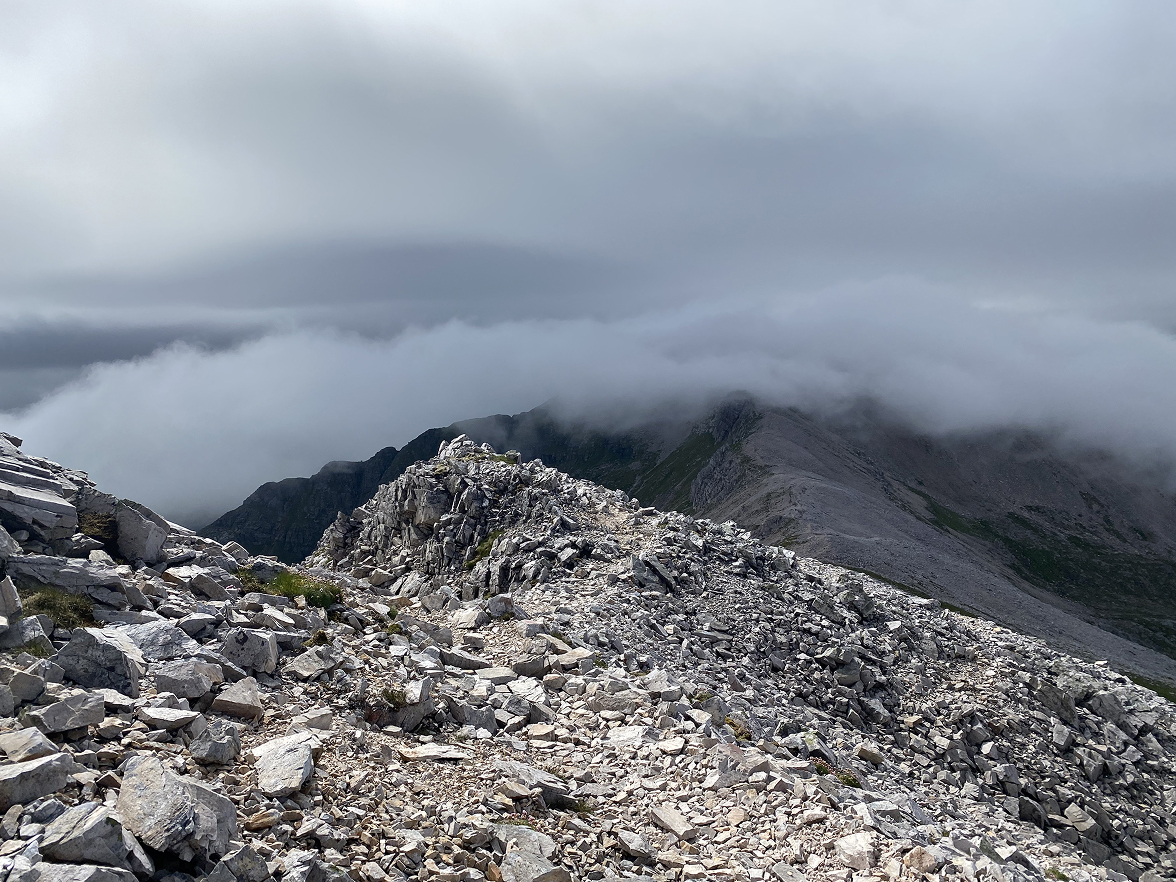
Dark woodland in evening light
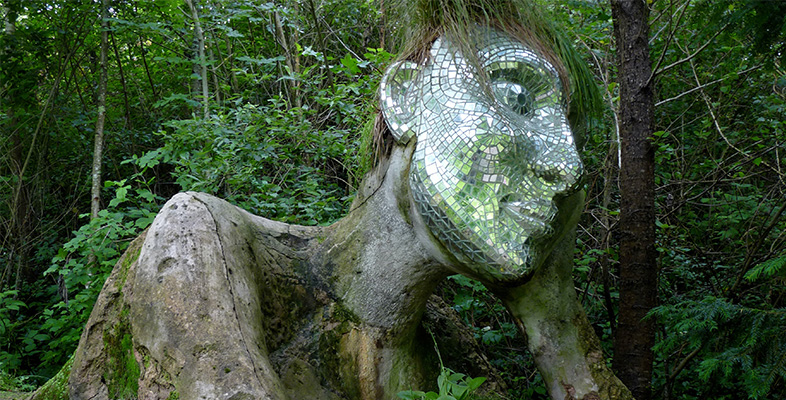
Unfurling fern frond

We're a community of researchers, practitioners, and thinkers committed to disseminating climate psychology widely, not just within our own professional circles. Through our flagship journal Explorations in Climate Psychology, our podcasts and talks, our library, and the contributions of members from across the world, we work to build a shared understanding of how psychology can meet this moment.

Explorations in Climate Psychology - the CPA journal

Navigating the inner and external work (relational and socio-political) that this moment calls on us to do, Explorations in Climate Psychology is CPA's flagship journal, published annually. We aim to be inclusive of the different ways people experience and engage with the climate and ecological crisis and welcome a wide range of forms: peer-reviewed research, analytical articles, reviews, interviews, reflections, testimonies, poetry, art, and lightly edited conversations.

Edited by CPA's Explorations Group, the journal explores current and emerging themes in the field, from climate grief and trauma to colonialism, decolonisation, the limits of Western rationality, and what it means to "stay with the trouble." The current editors of Explorations are noted in the latest issue.
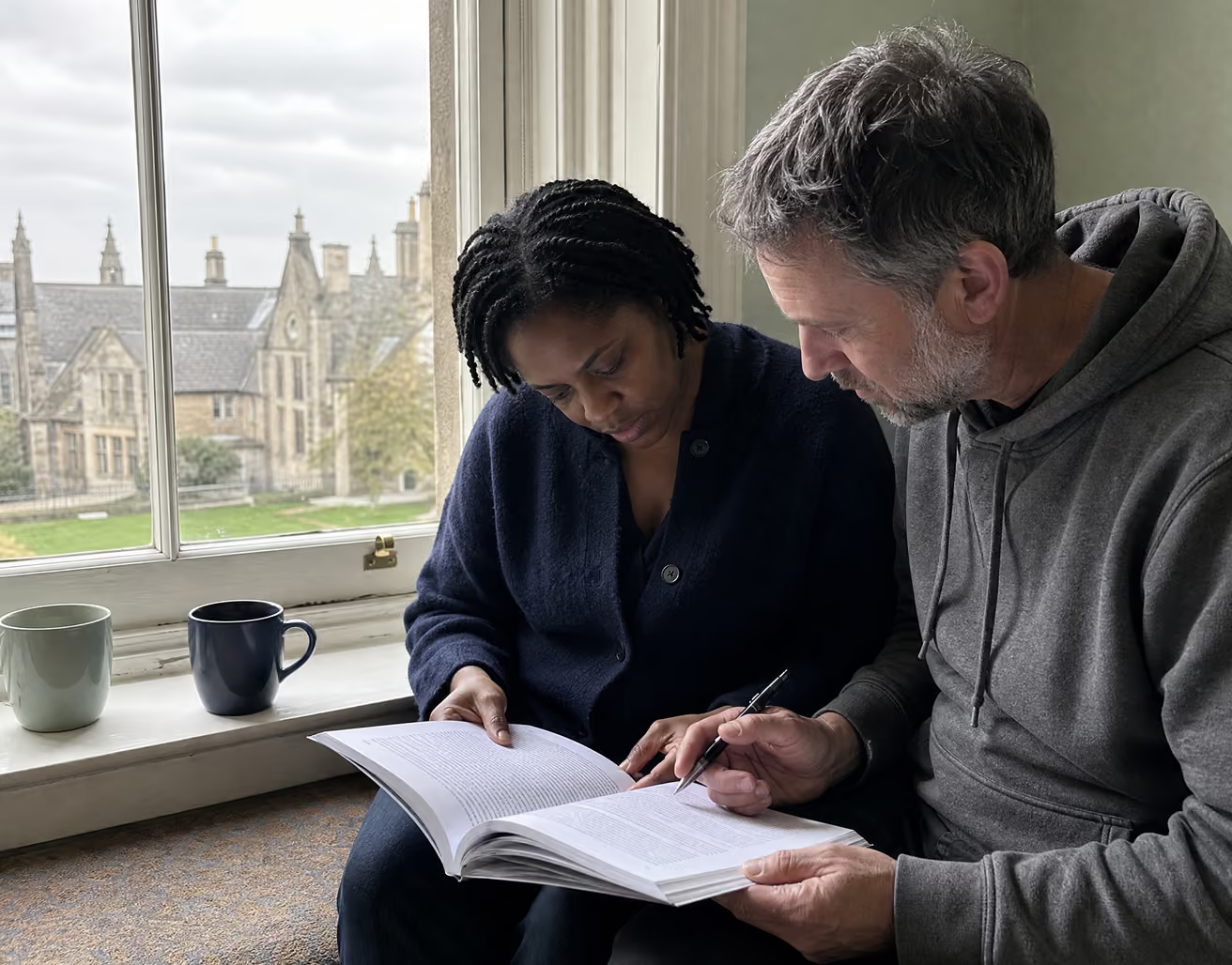

Two people reading an issue of the Explorations in Climate Psychology journal together
Three people researching together at a table with laptops and notes

We welcome contributions from inside and outside the CPA Community.

Find the latest call out here and guidelines for contributions here. The journal is open access and contributions can be used and quoted as long as they are referenced.

The Explorations group also offers online events with authors and other leading voices, which explore journal topics further.

See what's coming up

If you are interested in joining the editorial team (we particularly welcome young people and those of the Global Majority),  or wish to get in touch for another reason you can email them here.

A journal of climate psychology

Published regularly, featuring essays, research, and creative work from contributors across the UK and internationally. Each issue explores innovative forms of thinking and writing, navigating the relational and socio-political dimensions of the climate and ecological crisis.

Latest issue: Heavy weather: Exploring reactionary states of mind

Issue 8 is out now. In it you'll find explorations of the post-truth world, group narcissism, the unconscious, AI and power, and how these contribute to the reactionary state of mind.

Explorations: A journal of Climate Psychology

Published regularly, featuring essays, research, and creative work from contributors across the UK and internationally. Each issue explores innovative forms of thinking and writing, navigating the relational and socio-political dimensions of the climate and ecological crisis.

We also publish pieces from our journal via our Substack account. You can connect with us there, just follow @climatepsychologyexplorations on Substack.

New to Climate Psychology? Start here

Climate psychology is a young field with deep roots. If you're new to it, the resources below are good places to begin: foundational guides, podcasts and videos, defining texts, and the essential reading that practitioners and researchers return to again and again.

Hands resting on a book beside a mug and reading glasses
Three people in discussion around a coffee table

The Handbook of Climate Psychology

CPA's foundational guide to the field, freely available to download. The handbook introduces the key concepts, frameworks, and questions that shape climate psychology, and is used widely as an entry point for practitioners, researchers, and the curious.

Free Open University course

Introducing Climate Psychology: facing the climate crisis

The course explores ideas from social theory, psychoanalysis, ecopsychology, eco-feminism and post-humanism to gain a deeper understanding of the climate and ecological crisis, its impact on our wellbeing and how to build psychological resilience. The course is endorsed and supported by the CPA.

Climate Crisis Conversations

Our podcasts offers an accessible, conversational entry point into climate psychology, featuring CPA practitioners, researchers, and friends in dialogue about the climate and biodiversity crisis and the full range of emotional responses to it.

What is Climate Psychology? A way of listening...

Eco-anxiety, eco-despair, eco-depression, eco-grief? Or maybe eco-empathy?

What's under the surface of the attacks on school strikers?

What our members are sharing

Climate psychology is built collaboratively, by members for members and beyond. The work below reflects what people across our community are thinking about, researching, writing, and making right now. These are member contributions, not CPA publications, voices from across the alliance.

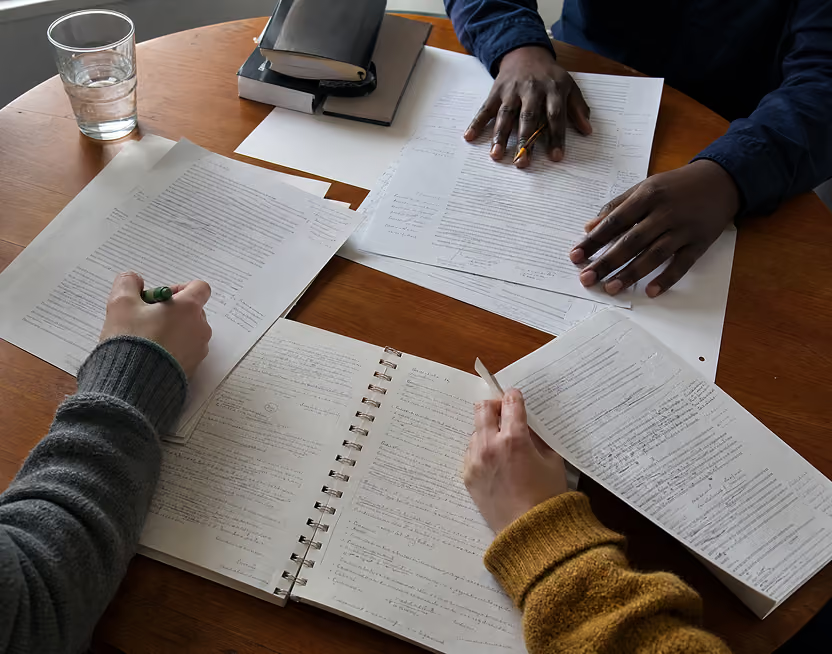
CPA members sharing handwritten notes around a table
Thinking Space
Climate and ecological emotions
Climate justice & decolonising

Hosting and facilitating a Climate café listening circle (CCLC) training

Do you want to help build resilience in your community? Climate Cafe LIstening Circle (CCLC) Training builds the confidence, skills, and peer community to facilitate your own circles. Delivered as a structured programme over three sessions in closed cohorts, with ongoing supervision and support afterwards.

Wet garden path through lush greenery

The Climate Crisis Digest is our monthly publication, usually a short piece written by members.

The name Digest reflects the psychoanalyst Wilfred Bion's insight that experience needs to be digested in order to be thinkable, especially when it is hard to bear (hence CPA's approach to difficult truths). The Digest style is not academic or polemical, more journalistic and exploratory in tone. That requires reflection by the author, to invite reflection in readers. Reflection here means inquiring into our emotional experience so as to more fully engage with the meaning of what is written.

The Digest is edited by Thulsi Prabakaran.

Subscribe to our newsletter.

All news posts

Our library is a collection of open-access research and resources, written or recommended by CPA members.

Displaying
1
of
1
articles
Thank you! Your submission has been received!
Oops! Something went wrong while submitting the form.
Climate justice & decolonising
Denial & avoidance
Theory and frameworks

Confronting the Inhuman

This article uses the lens of both Gaza and the climate crisis to examine some aspects of inhumanity. In both situations, we observe a puzzling indifference to ongoing manifestations of human destructiveness. The article explores the dynamics of disavowal, the complex nature of racism, and the tragic dimension of some political conflicts. In conclusion, some of the psychological and material forces involved in the resurgence of authoritarian nationalism are considered.

2024
Research papers
Confronting the Inhuman
Hoggett
2024
Youth & intergenerational
Climate and ecological emotions
Therapeutic perspectives

Eco-Anxiety in Children and Young People – A Rational Response, Irreconcilable Despair, or Both?

ABSTRACT: This paper presents research and clinical material exploring how eco-anxiety can be felt and thought about by children and young people. It discusses the importance of understanding the range of climate anxiety found in practice, ranging from mild to medium to significant, severe, and critical climate distress. Frequently eco-anxiety is perceived as a singular emotional and cognitive experience, and all too often seen through adult eyes. This scale drawn from clinical practice attempts to differentiate between the different experiences children and young people can have by drawing on international clinical and research evidence. The paper argues that supporting children's eco-anxiety requires a both/and approach — acknowledging feelings of loss and grief for losses that have already taken place, whilst holding hope, and crucially not individualising what is a collective hurt.

2024
Research papers
Eco-Anxiety in Children and Young People – A Rational Response, Irreconcilable Despair, or Both?
Hickman
2024
Youth & intergenerational
Climate and ecological emotions
Parenting

I'm a psychotherapist - here's what I've learned from listening to children talk about climate change

Eco-anxiety is likely to affect more and more people as the climate destabilises. Already, studies have found that 45% of children suffer lasting depression after surviving extreme weather and natural disasters. Some of that emotional turmoil must stem from confusion - why aren't adults doing more to stop climate change?Talking with children gives a fresh perspective on the absurdity of doing so little about climate change, but it also exposes a troubling disconnect between what we say and what we do.

2019b
Articles & reflections
I'm a psychotherapist - here's what I've learned from listening to children talk about climate change
Hickman
2019
Youth & intergenerational
Climate and ecological emotions
Therapeutic perspectives

Eco-Anxiety in Children and Young People

This paper presents research and clinical material exploring how eco-anxiety can be felt and thought about by children and young people, arguing against treating it as a singular emotional and cognitive experience or seeing it only through adult eyes. Drawing on international clinical and research evidence, Hickman proposes a scale differentiating experiences of eco-anxiety from mild through medium to significant, severe and critical climate distress, and considers individual, relational, collective and planetary dimensions of trauma as experienced by children and young people. The paper closes with considerations for clinical practice.

2024
Research papers
Eco-Anxiety in Children and Young People
Hickman
2024
Youth & intergenerational
Therapeutic perspectives
Climate and ecological emotions

Climate Aware Therapy with Children and Young People to Navigate the Climate and Ecological Crisis

Eco-anxiety in children and young people is experienced in very different ways than in adults. This chapter explores how this appears cognitively and emotionally, proposes the development of a climate and biodiversity crisis lens through which therapy can respond, and examines a range of approaches for the therapy room, at home, in school and outdoors to support children and young people to explore their thoughts, feelings and dreams about the crisis, including moving from therapeutic dyad to therapeutic triad (between therapist, client, and planet).

2024
Books & chapters
Climate Aware Therapy with Children and Young People to Navigate the Climate and Ecological Crisis
Hickman
2024
Theory and frameworks
Climate and ecological emotions
Denial & avoidance

Ecology, psychoanalysis and global warming: Present and future traumas

This editorial introduces a special issue of the Journal of Social Work Practice bringing together psychoanalytic perspectives on ecology and global warming. Opening with Freud's observation that humans are threatened with suffering from three directions - the body, the external world, and other people - the editors argue that while no single way of communicating about the climate crisis is sufficient, multiple approaches each offer valuable pathways into a complex field that evokes fear, anxiety, despair, anger, grief, guilt and shame. The issue's contributions are framed around the difficulty of absorbing successive waves of frightening climate information before attention moves on to the next crisis.

2020
Research papers
Anna Harvey
Ecology, psychoanalysis and global warming: Present and future traumas
Harvey
2020
Policy
Climate and ecological emotions

Climate change and health in North America: Literature review protocol

ABSTRACT: Climate change is a defining issue and grand challenge for the health sector in North America. Synthesizing evidence on climate change impacts, climate-health adaptation, and climate-health mitigation is crucial for health practitioners and decision-makers to effectively understand, prepare for, and respond to climate change impacts on human health. This protocol paper outlines our process to systematically conduct a literature review to investigate the climate-health evidence base in North America, covering physical, mental, emotional, and social health and wellness.

2021
Research papers
Climate change and health in North America: Literature review protocol
Harper
2021
Climate and ecological emotions
Activism & collective action
Hope & resilience

Emotional Methodologies for Climate Change Engagement [PhD]

This PhD thesis maps a range of what the author terms 'Emotional Methodologies' (EMs) - group work processes such as The Work that Reconnects, Active Hope and the Carbon Literacy Project - used by UK Civil Society Organisations to acknowledge and process the complex, often contradictory emotions raised by the climate crisis. Drawing on concepts of emotional habitus and emotional reflexivity, the thesis explores how participation in EMs supports engagement and sustains it over time, finding that EMs help people integrate cognitive, emotional and behavioural dimensions of response, act as coping mechanisms that help prevent burnout, and broaden the scope of social action people feel able to take.

2020
Research papers
Emotional Methodologies for Climate Change Engagement [PhD]
Hamilton
2020
Climate and ecological emotions
Activism & collective action
Nature connection

Turning Towards the Tears of the World: Practices and Processes of Grief and Never-endings

Drawing on research conducted in England and Scotland with participants in socio-ecological group practices (The Work that Reconnects/Active Hope and the Carbon Literacy Project), this chapter examines how climate change materialises loss, change and injustice relating to ecosystems, cultures, expectations and connections to the more-than-human world. It shows how practices to acknowledge and work with climate-related grief increase capacity to sustain engagement, while unacknowledged griefs contribute to ambivalence that impedes engagement.

2024
Books & chapters
Turning Towards the Tears of the World: Practices and Processes of Grief and Never-endings
Hamilton
2024

Join our community of thinkers, researchers, and reflective practitioners

CPA is more than a publisher or a library. We're a working community of people thinking together about climate psychology. Our members participate in regular Thinking Spaces, contribute to research groups, edit the Explorations in Climate Psychology Journal, maintain the library, and bring their own work into shared conversation. Research at CPA is collaborative, generative, and grounded in practice.

Why join:

  • Monthly Thinking Space

  • Research Group

  • Opportunities to Publish

  • Intergenerational buddying

  • Student and Young Members Group

  • Opportunities to Publish

House with lit windows under a sunset sky