


Research and resources, shaped by those doing the work

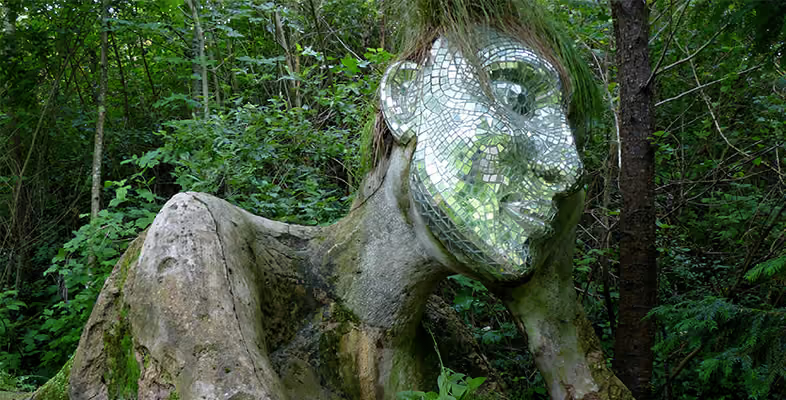
Dark woodland in evening light
Unfurling fern frond

We're a community of researchers, practitioners, and thinkers committed to disseminating climate psychology widely, not just within our own professional circles. Through our flagship journal Explorations in Climate Psychology, our podcasts and talks, our library, and the contributions of members from across the world, we work to build a shared understanding of how psychology can meet this moment.

Explorations in Climate Psychology - the CPA journal

Navigating the inner and external work (relational and socio-political) that this moment calls on us to do, Explorations in Climate Psychology is CPA's flagship journal, published annually. We aim to be inclusive of the different ways people experience and engage with the climate and ecological crisis and welcome a wide range of forms: peer-reviewed research, analytical articles, reviews, interviews, reflections, testimonies, poetry, art, and lightly edited conversations.

Edited by CPA's Explorations Group, the journal explores current and emerging themes in the field, from climate grief and trauma to colonialism, decolonisation, the limits of Western rationality, and what it means to "stay with the trouble." The current editors of Explorations are noted in the latest issue.
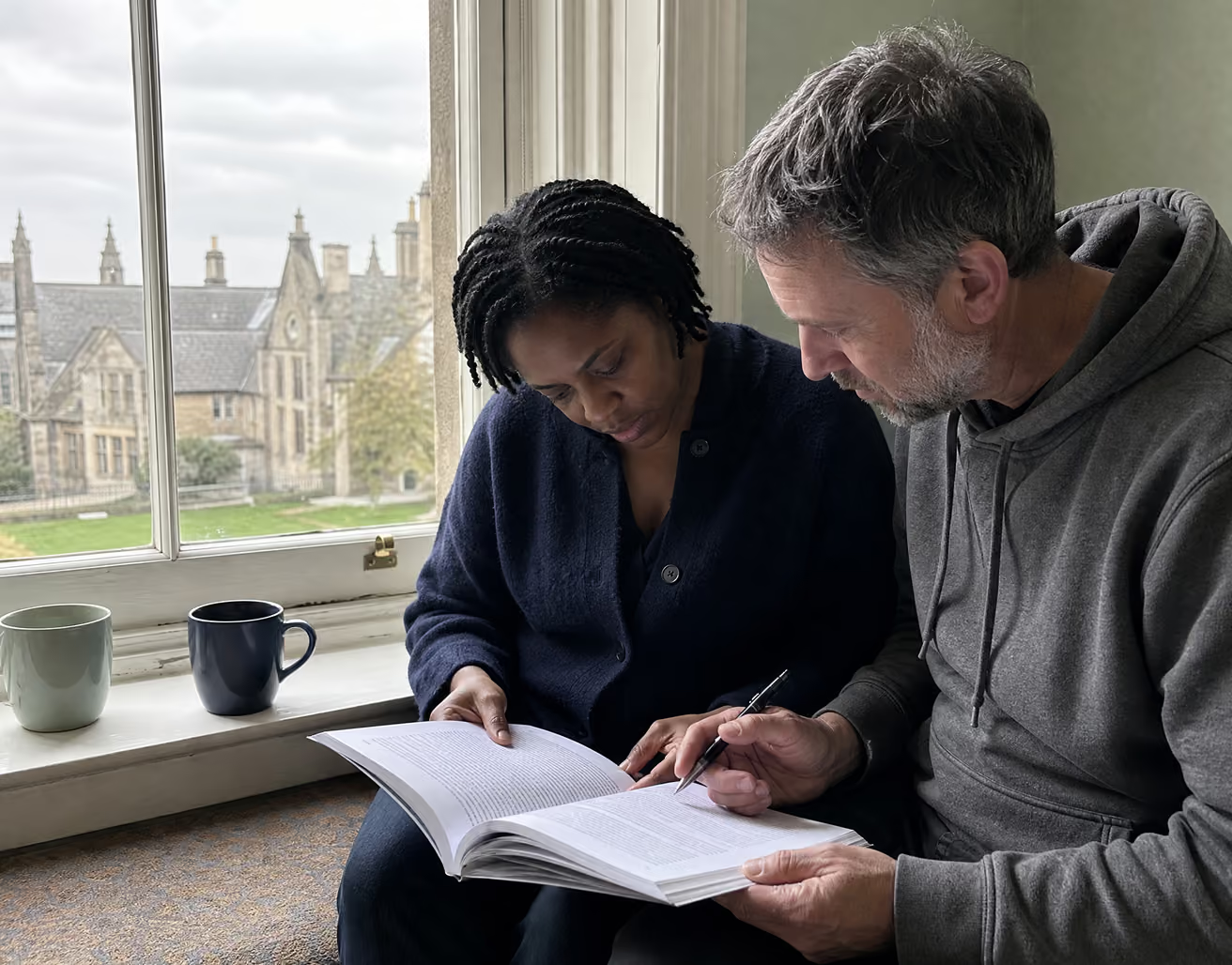

Two people reading an issue of the Explorations in Climate Psychology journal together
Three people researching together at a table with laptops and notes

We welcome contributions from inside and outside the CPA Community.

Find the latest call out here and guidelines for contributions here. The journal is open access and contributions can be used and quoted as long as they are referenced.

The Explorations group also offers online events with authors and other leading voices, which explore journal topics further.

See what's coming up

If you are interested in joining the editorial team (we particularly welcome young people and those of the Global Majority), or wish to get in touch for another reason you can email them here.

Explorations: A journal of Climate Psychology

A biannual publication from CPA's editorial working group, tracking the pace, rhythms and voices of climate psychology as the field emerges. Contributions are welcome from practitioners, researchers, artists and activists alike.

What's in the journal

Explorations makes space for essays, interviews, testimonies, poetry and art alongside peer-reviewed research — different ways of expressing and engaging with the climate and ecological crisis, gathered from contributors across the UK and beyond.

Latest issue: Heavy weather: Exploring reactionary states of mind

Issue 8, Heavy Weather, is out now. Inside: explorations of the post-truth world, group narcissism, the unconscious, AI and power, and how each feeds the reactionary state of mind.

We also publish pieces from our journal via our Substack account. You can connect with us there, just follow @climatepsychologyexplorations on Substack.

New to Climate Psychology? Start here

Climate psychology is a young field with deep roots. If you're new to it, the resources below are good places to begin: foundational guides, podcasts and videos, defining texts, and the essential reading that practitioners and researchers return to again and again.

Hands resting on a book beside a mug and reading glasses
Three people in discussion around a coffee table

The Handbook of Climate Psychology

CPA's foundational guide to the field, freely available to download. The handbook introduces the key concepts, frameworks, and questions that shape climate psychology, and is used widely as an entry point for practitioners, researchers, and the curious.

Free Open University course

Introducing Climate Psychology: facing the climate crisis

The course explores ideas from social theory, psychoanalysis, ecopsychology, eco-feminism and post-humanism to gain a deeper understanding of the climate and ecological crisis, its impact on our wellbeing and how to build psychological resilience. The course is endorsed and supported by the CPA.

Climate Crisis Conversations

Our podcasts offers an accessible, conversational entry point into climate psychology, featuring CPA practitioners, researchers, and friends in dialogue about the climate and biodiversity crisis and the full range of emotional responses to it.

Motherhood and the Climate Crisis

Dr Renée Lertzman on being an earthling, the climate crisis and falling in love

Did we Care When Birds and Animals Died during the Sixth Extinction?

What our members are sharing

Climate psychology is built collaboratively, by members for members and beyond. The work below reflects what people across our community are thinking about, researching, writing, and making right now. These are member contributions, not CPA publications, voices from across the alliance.

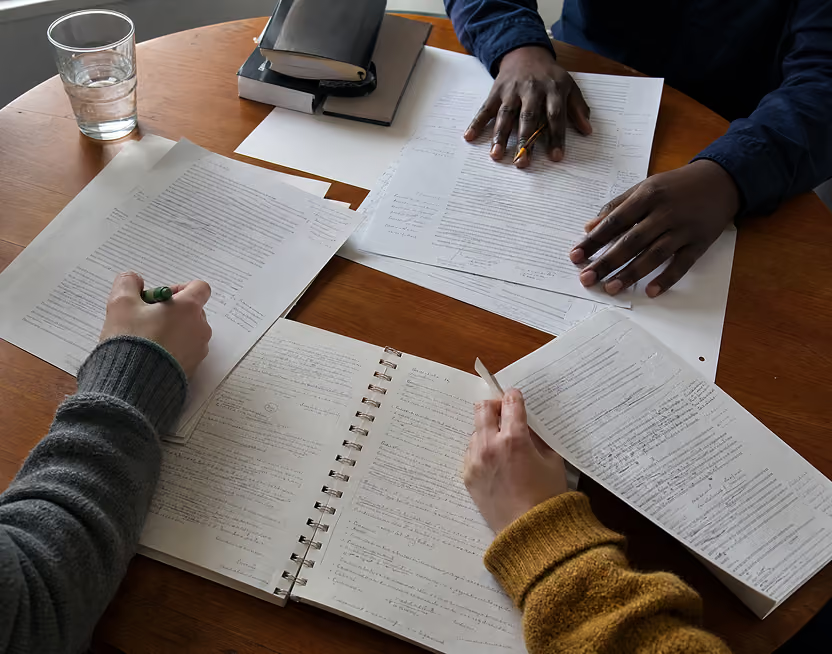
CPA members sharing handwritten notes around a table

Eco-somatics and Collective Imagination – Broadening Perspectives for Climate Transition Discourse

By Frederike Doffin — "I have been exploring how eco-somatics and collective imagination add different layers to the discourse on climate change and broaden perspectives by contributing through sensory approaches and body-based knowledge. I felt the need to complement predominant discourses on climate transition with practices that are situated in the body, in co-creativity with plants and which have the capacity to embrace subtle realms of more-than-human life forces..."

Facing Our Climate Reality: Honest Briefings That Spark Community Action and Resilience

By Nick Drew — Nick Drew, from the Climate Psychology Alliance and a long-standing member of the Emergencies Partnership (EP) Mental Health Network, has written a powerful blog as a stark (but also hopeful) reminder that the UK is already living in a climate crisis, with record-breaking heat and rising risks becoming the new normal. Nick highlights urgent warnings from national reports, the surge of community screenings of the People’s Emergency Briefing film and the growing need for collective resilience. Nick’s message is clear: we must turn awareness into community‑level action because investing in preparedness now saves lives later but, thankfully, there are passionate and capable people who are feeling more capable and motivated to act (and that can grow).

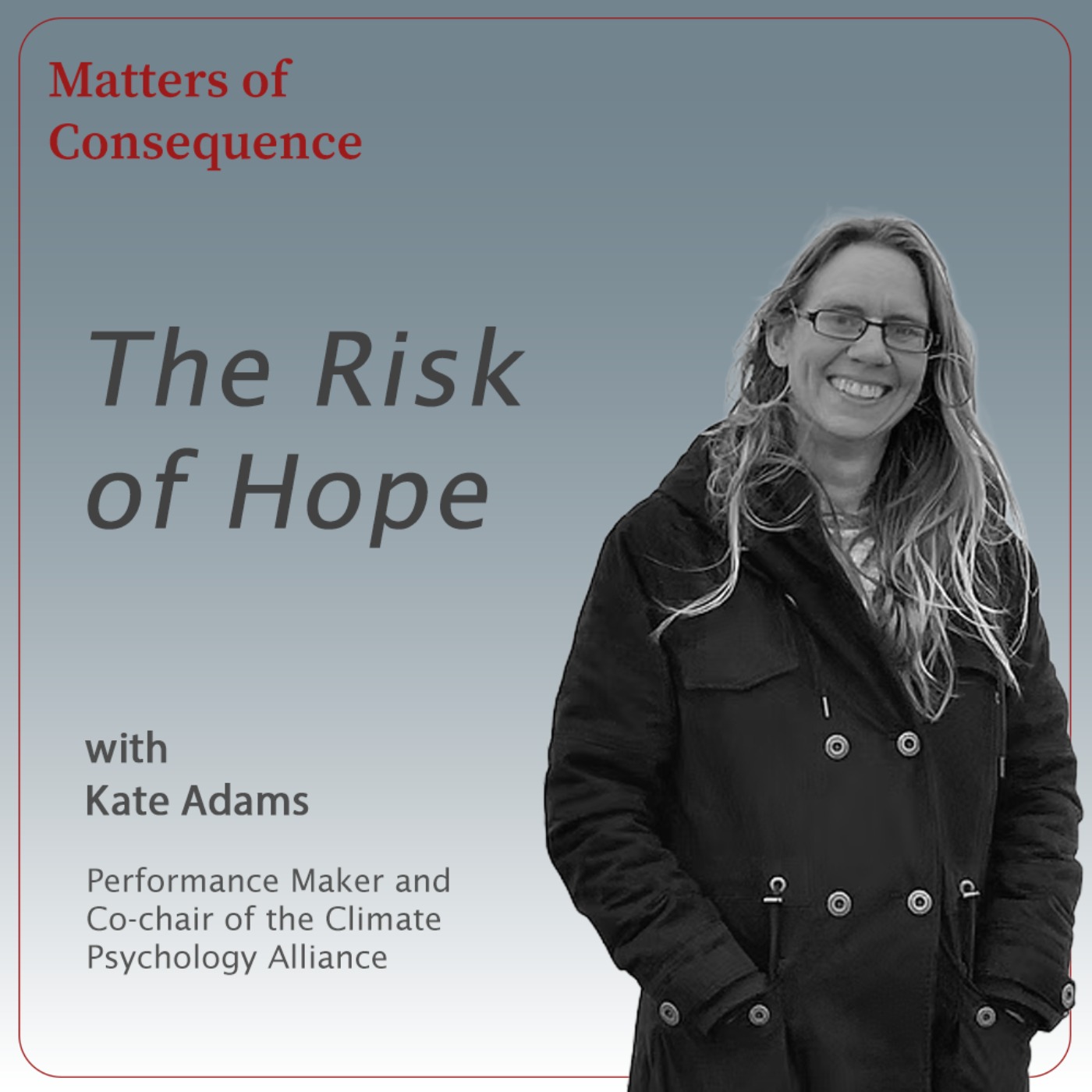
The Risk of Hope Matters of Consequence: Meaningful Conversations for Curious People

What happens when the emotional weight of the climate crisis feels too heavy to carry? In this deeply personal conversation Kate Adams, a performance maker, lecturer, and former co-chair of the Climate Psychology Alliance takes us inside the unseen world of eco-emotions and artistic resilience. The episode explores the systemic importance of vulnerability, the tension between grief and hope, and the quiet work of creating spaces where people can confront the emotional toll of the climate crisis without judgment.

Wet garden path through lush greenery

The Climate Crisis Digest is our monthly publication, usually a short piece written by members.

The name Digest reflects the psychoanalyst Wilfred Bion's insight that experience needs to be digested in order to be thinkable, especially when it is hard to bear (hence CPA's approach to difficult truths). The Digest style is not academic or polemical, more journalistic and exploratory in tone. That requires reflection by the author, to invite reflection in readers. Reflection here means inquiring into our emotional experience so as to more fully engage with the meaning of what is written.

The Digest is edited by Thulsi Prabakaran.

Go to recent Digest articles
Subscribe to our newsletter for the monthly Climate Crisis Digest plus CPA news
Subscribe to the Digest

Subscribe to the Digest

* indicates required
Are you joining as a student or young person?
This is so we can contact you with relevant information

Would you like to receive communications from CPA?

You can decide to stop receiving emails from us at any time by clicking the 'unsubscribe' link in the footer of any email you receive from us, or by contacting us at admin@climatepsychologyalliance.org. We will treat your information with respect. For more information about our privacy practices please visit our website.

We use Mailchimp as our marketing platform. By clicking below to subscribe, you acknowledge that your information will be transferred to Mailchimp for processing. Learn more about Mailchimp's privacy practices.

Library

Our library is a collection of open-access research and resources, written or recommended by CPA members.

Displaying
1
of
1
articles
Thank you! Your submission has been received!
Oops! Something went wrong while submitting the form.
Therapeutic perspectives
Nature connection
Theory and frameworks

Coming to Our Senses: Turning Towards the Body

This chapter argues that it is the loss of our embodied relationship to ourselves and our world that results in our failure to grasp the reality of what is happening to our natural environment. It calls for a phenomenological approach to psychological exploration and a return to embodied knowing, arguing that all psychotherapy should be body-oriented in a time of environmental breakdown, and discusses the training needs of future environment-aware therapists.

2024
Books & chapters
Coming to Our Senses: Turning Towards the Body
Staunton
2024
Climate and ecological emotions
Activism & collective action
Hope & resilience

From anger to action

Using Australian national survey data, this study investigates differences between eco-anxiety, eco-depression and eco-anger in their effects on climate action and wellbeing. Contrary to assumptions that all climate-related distress is equally unhelpful, the authors find that eco-anger predicted better mental health outcomes alongside greater engagement in climate activism and personal pro-environmental behaviour, while eco-anxiety and eco-depression were less adaptive, relating to lower wellbeing. Notably, eco-depression was linked to greater participation in collective action even as eco-anxiety predicted lower engagement, positioning anger as a key adaptive emotional driver of climate engagement.

2021
Research papers
From anger to action
Stanley
2021
Therapeutic Support
Policy
Climate and ecological emotions

Mental health and psychosocial interventions in the context of climate change: a scoping review

This scoping review identifies and characterises existing mental health and psychosocial interventions designed to address the psychological impacts of climate change. Drawing on both academic and grey literature, the authors identify 37 unique interventions or intervention packages, operating at micro-, meso-, exo- and macrosystem levels through diverse mechanisms. Most interventions have not been formally evaluated, but preliminary evidence is promising, particularly for interventions implemented in low- and middle-income countries disproportionately affected by climate-related disasters, including examples from China, Zimbabwe, Bangladesh, Indonesia, Brazil, Cameroon, Peru, Tanzania and Vietnam. The review calls for further investment in evaluation, multidisciplinary collaboration, and the development of proactive, forecast-based interventions that anticipate future climate stressors rather than only responding to disasters after they occur.

2024
Research papers
Siqi Xue
Alessandro Massazza
Samia C. Akhter-Khan
Britt Wray
M. Ishrat Husain
Mental health and psychosocial interventions in the context of climate change: a scoping review
Xue
2024
Therapeutic perspectives
Climate and ecological emotions

Therapists' experience of climate change

This qualitative study explores how therapists in Australia experience climate change personally and professionally, and how they navigate the dialectic between the two. Findings suggest that although the mental health impacts of global warming are increasingly documented, these issues remain inadequately addressed within psychotherapeutic training and practice, revealing a gap between the growing evidence base on climate-related psychological distress and the profession's readiness to respond. The study calls for further research into how individual therapists can integrate their own climate responses with clinical work, and for professional bodies to provide leadership, training and support.

2022
Research papers
Therapists' experience of climate change
Silva
2022
Therapeutic perspectives
Therapeutic Support
Climate and ecological emotions

Climate change on the therapist's couch

Masters Thesis, Smith College School for Social Work (Seaman, 2016): The scientific community has reached near consensus that climate change (also known as anthropogenic global warming) poses a significant and potentially dire threat to the ecosystems upon which we, as humans and as a society, rest. While climate change is most often discussed in terms of its effect on the natural environment, its psychological impacts are also expected to be immense and varied and include indirect distress related to the threat that climate change poses. This thesis explores how mental health clinicians receive and respond to indirect psychological impacts of climate change in the therapeutic setting.

2016
Research papers
Seaman, E.
Climate change on the therapist's couch
Seaman
2016
Creative practice
Therapeutic Support
Climate and ecological emotions

Coping with the Climate Crisis: Exploring Art Therapy for Sustainable Mental Health

Explores eco-anxiety, eco-grief and eco-art therapy as responses to climate-related mental health challenges.

2020
Research papers
Caitlin Scheirich
Coping with the Climate Crisis: Exploring Art Therapy for Sustainable Mental Health
Scheirich
2020
Parenting
Climate and ecological emotions
Climate justice & decolonising

Climate emotions, parenting plans, and racial difference in the United States

This survey-based study examines how climate-related emotions intersect with parenting and birthing decisions in the United States, with particular attention to racial difference. Participants were asked about their emotional responses to climate change generally, and separately about their emotions relating to birthing and raising children in the context of the climate crisis. The study finds that non-white respondents were more likely than white respondents to report feeling traumatised by climate change and to plan smaller families as a result of climate-related emotions, while also being more likely to report hope and optimism regarding both climate change and parenting under its shadow. White women were the least likely group to report positive emotions about parenting during climate change, while white men were the most likely to report emotional numbness, indifference or disengagement. Religious affiliation also shaped emotional responses, with Christian respondents more likely to report positive emotions overall. The study highlights significant racial differences in how climate emotions shape reproductive and parenting decisions.

2024
Research papers
Jade S. Sasser
Erica Borgstrom
Climate emotions, parenting plans, and racial difference in the United States
Sasser
2024
Denial & avoidance
Climate justice & decolonising
Theory and frameworks

Noah's Arkism 21st Century Style (New Associations, Issue 29: Climate Change Special Issue, Article 4)

Written for the British Psychoanalytic Council's climate change special issue, exploring a mindset Weintrobe terms 'Noah's Arkism' - the fantasy that a privileged few can secure their own safety while the wider world faces climate catastrophe.

2019
Articles & reflections
Noah's Arkism 21st Century Style (New Associations, Issue 29: Climate Change Special Issue, Article 4)
2019
Therapeutic perspectives
Nature connection
Theory and frameworks
Denial & avoidance

Climate on the couch

2008
Research papers
Climate on the couch
Rust
2008
Youth & intergenerational
Climate and ecological emotions

Eco Distress: For Young People

Web resource from the Royal College of Psychiatrists aimed at young people, helping them understand climate-related distress and offering tools to feel better and take action.

Tools & guides
Royal College of Psychiatrists
Eco Distress: For Young People
Royal College of Psychiatrists
Theory and frameworks
Policy
Denial & avoidance

Security, Masculinity and the Fracking Debate

Responding to George Monbiot's suggestion that we consider the psychological motivations of fracking enthusiasts, Randall argues the language of the fracking debate is determinedly and demeaningly masculine - a macho fixation shared with other large engineering projects (nuclear power, space exploration) that chimes with corporate desire to invest large sums, and links this to government rhetoric framing fracking in terms of energy security.

2013
Articles & reflections
Rosemary Randall
Security, Masculinity and the Fracking Debate
Randall
2013
Therapeutic perspectives
Theory and frameworks
Climate and ecological emotions

Hungry Ghosts: Psychotherapy, control and the winds of homecoming

Drawing on Gregory Bateson's concept of epistemology and Jerome Bernstein's work on collective trauma, Robertson explores how what he calls 'hungry ghosts' - unmet needs and unprocessed collective or trans-generational trauma - surface in the therapy room, often mistaken by clients for purely personal history. He describes a clinical vignette in which attending to his own felt sense of grief and 'soul-making', rather than directing the client verbally, allowed a shift to occur. Robertson argues that Western individualism makes it easy to locate collective phenomena within one's own life story, exacerbating personal pain, and that psychotherapy faces a choice: continue domesticating clients' distress within existing cultural norms, or undergo its own 'deconstruction' to open space for renewal. Note: this excerpt draws on retrieved passages rather than confirmed opening paragraphs; worth checking against the full text.

2014
Research papers
Chris Robertson
Hungry Ghosts: Psychotherapy, control and the winds of homecoming
Robertson
2014
Therapeutic perspectives
Climate and ecological emotions
Hope & resilience

The Psychological Work of Being with the Climate Crisis

This chapter focuses on the psychological work involved in addressing collective symptoms such as eco-anxiety, disorientation, terror, despair, helplessness and rage as humanity crosses a geological and cultural threshold into the Anthropocene. Drawing particularly on the Climate Psychology Alliance's 'Through the Door' workshop, running since 2018, the chapter outlines how psychotherapists and other professionals struggling with incapacity and helplessness have been supported, and shares therapeutic practices especially fit for this uncertain time.

2024
Books & chapters
Chris Robertson
The Psychological Work of Being with the Climate Crisis
Robertson
2024
Nature connection
Theory and frameworks
Climate and ecological emotions

Ecopsychology's Wilding

In this review essay, Robertson engages with Nick Totton's Wild Therapy, exploring the historical, anthropological, political and psychological background to contemporary culture's loss of wildness, both internal and external. Rather than attempting an overarching unified theory for ecopsychology, Robertson notes, Totton instead weaves the notion of 'wildness' into a subtle and complex web that challenges core cultural assumptions - and argues that psychotherapy taking up these challenges seriously would return the profession to its more radical roots. Robertson considers what this reframing of wildness demands of psychotherapeutic practice and of practitioners themselves, situating Totton's framework within the wider development of ecopsychology as a field.

2013
Research papers
Chris Robertson
Ecopsychology's Wilding
Robertson
2013
Creative practice
Hope & resilience

A Journey to the Lush Isle: Collaboration with Lain Burgos-Lovece and Tali Sarnetzky

'Journey to the Lush Isle' is the first 'Small Forms' pamphlet created by Unpsychology contributors Lain Burgos-Lovece, Tali Sarnetzky and Chris Robertson (former CPA Chair, 2018-2020), with a fourth collaborator, Jo Regan, whose influence lingered in the words despite leaving the group early in the conversation. The pamphlet is a mix of conversation, commentary, imagination and story, at times reading like a tale from the future and at others like a warning in the here-and-now; throughout, it holds grief and grounded hope and beauty together.

Feb 2026
Articles & reflections
Chris Robertson
A Journey to the Lush Isle: Collaboration with Lain Burgos-Lovece and Tali Sarnetzky
Robertson
2026
Climate and ecological emotions
Theory and frameworks

Climate Shadow: Weathering Hate and Love

Sickness, disillusion, loss and existential dreadIn the preparation for writing, I became sick. Perhaps like Bob Dylan sings, I was 'sick of love' but also subject to the toxicity in the darkness of the subject matter. My ambivalence to engaging is as much an aspect of the journey as the cognitive exploration. It is a transference to the material. It is dangerous and I have suffered in previous engagements. And it is the nature of such enquiries that they involve attempting to digest what has previously seemed poisonous.

2025
Articles & reflections
Chris Robertson
Climate Shadow: Weathering Hate and Love
Robertson
2025
Theory and frameworks
Denial & avoidance
Climate and ecological emotions

Being on the Cusp: Facing Psychological Impasse (part 2)

Continuing directly from part 1, Robertson extends Winnicott's concept of the 'false self' - a defensive retreat from reality and external pressure - to what he terms a collective 'False World': a cultural fantasy of separation from ecological limits, exemplified by notions of escaping to other planets rather than reckoning with life on this one. He argues that relinquishing this false world is difficult precisely because so much has been invested in maintaining it. Drawing on the bidirectional coupling between earth systems and human social systems, Robertson explores how climate science's early focus on human impacts on the planet has increasingly given way to recognising feedback effects on humans themselves - forced migration, disease, infertility, conflict - and situates eco-anxiety within this entanglement as a complex mix of care, grief and complicity that can act as a catalyst for change rather than only a source of paralysis. The essay closes by considering what psychological and cultural practices might support staying at this 'cusp' rather than retreating from it, drawing on Hillman, Baldwin, and contemporary climate psychology research on young people's climate anxiety and moral injury.

2023
Articles & reflections
Chris Robertson
Being on the Cusp: Facing Psychological Impasse (part 2)
Robertson
2023
Theory and frameworks
Climate and ecological emotions
Denial & avoidance

Being on the Cusp: Facing Psychological Impasse (part 1)

In this first of a two-part essay, Robertson explores the psychological experience of living through what he calls a cultural 'cusp' - a tipping point between two states, evoking both dread and fertile possibility. Drawing on Timothy Morton's concept of 'hyperobjects' (phenomena too vast to be fully comprehended, which dissolve the usual separation between observing subject and observed object), Robertson argues that climate change is not simply an unsolved problem but an unthinkable one, and that humans are entangled within it rather than observing it from outside. He explores an embodied, felt sense of 'cusping' as an alternative to conceptual abstraction, and connects the cultural cusp to personal experiences of symbolic death and transition - drawing on his own retirement after thirty years co-founding a psychotherapy training centre as an example of rupture, loss and renewal. The essay draws on Hillman, Bion, Winnicott and Freud's concept of the uncanny to explore what it might mean to stay present with radical uncertainty rather than seeking premature resolution or escape.

2023
Articles & reflections
Chris Robertson
Being on the Cusp: Facing Psychological Impasse (part 1)
Robertson
2023

Join our community of thinkers, researchers, and reflective practitioners

CPA is more than a publisher or a library. We're a working community of people thinking together about climate psychology. Our members participate in regular Thinking Spaces, contribute to research groups, edit the Explorations in Climate Psychology Journal, maintain the library, and bring their own work into shared conversation. Research at CPA is collaborative, generative, and grounded in practice.

Why join:

  • Monthly Thinking Space

  • Research Group

  • Opportunities to Publish

  • Intergenerational buddying

  • Student and Young Members Group

House with lit windows under a sunset sky